
Le Mas (Alpes-Maritimes)
Le Mas is a small commune in the Alpes-Maritimes department of Provence-Alpes-Côte d'Azur in southern France. This article outlines its location, features, history, and local context.
Overview
Le Mas is a commune located in the Alpes-Maritimes department within the region commonly known as Provence-Alpes-Côte d'Azur. It lies in the south of France, an area characterized by Mediterranean climate influences, varied terrain and a mixture of coastal and inland settlements. As a French commune, Le Mas is the lowest level of administrative division, governed locally by a municipal council and a mayor.
Image gallery
10 Images




Characteristics
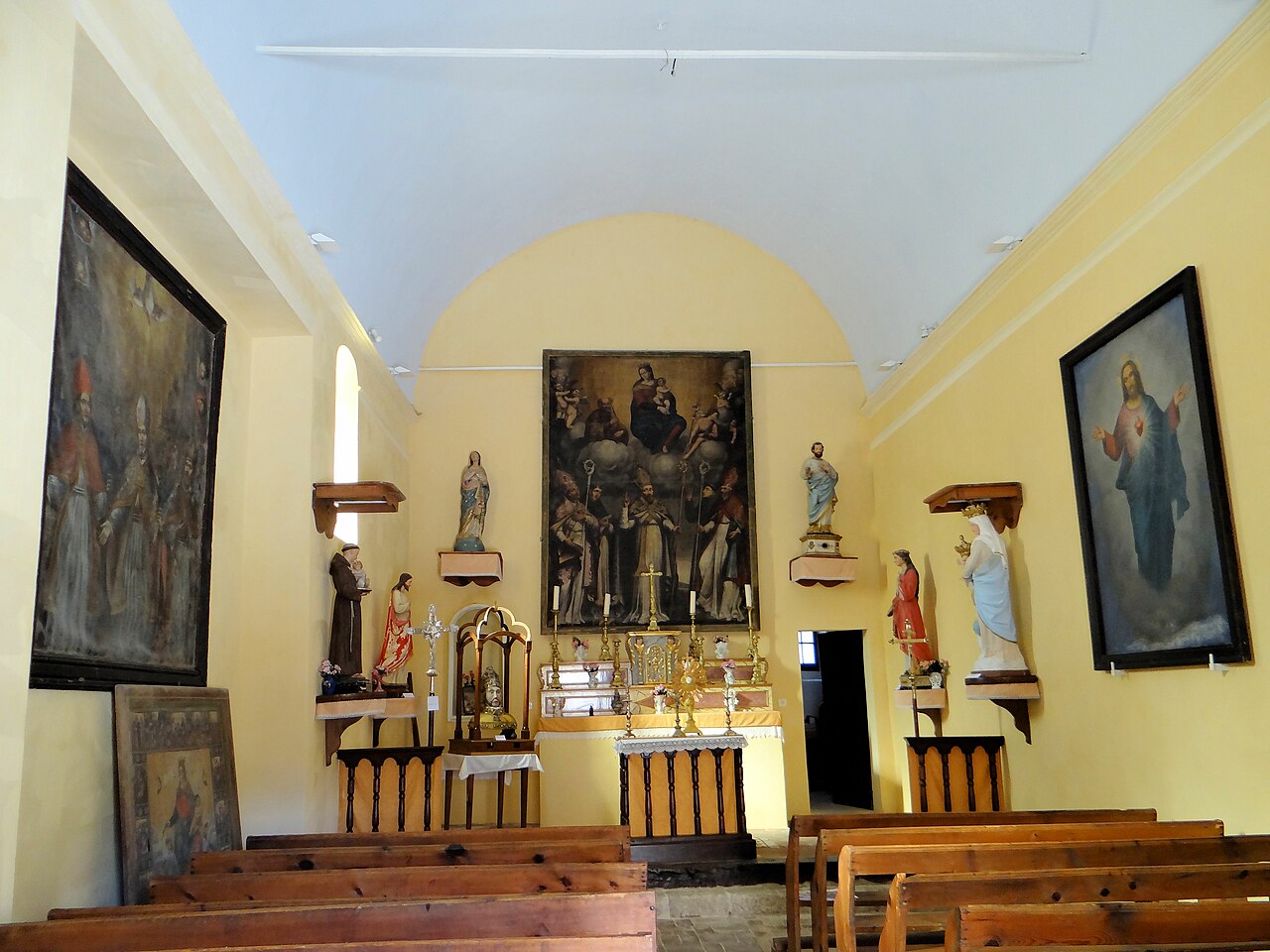
The commune typically displays features found across small Provençal villages: narrow streets, stone or stucco houses, and rural landscapes composed of cultivated terraces, woods and pastures. The immediate surroundings often include olive groves, vineyards, aromatic herbs and small-scale agriculture, reflecting the traditional economy of the region. Like many communes in the area, Le Mas is connected by local roads to larger towns and benefits from seasonal visitors attracted to Provençal scenery.
History and development
Many settlements called "Le Mas" trace their origins to medieval hamlets or farmsteads; the name itself derives from an old Provençal word for a farm or country house. Over centuries such places evolved from scattered agricultural estates into small communal villages with parish churches, communal ovens and markets. Modern development has typically preserved historic cores while adding infrastructure for contemporary rural life.
Economy, culture and uses
Economic life in communes like Le Mas is usually a blend of agriculture, artisanal activities and, increasingly, tourism. Visitors come for countryside walks, local festivals and traditional Provençal markets. Local cultural life often revolves around annual fêtes, craft traditions and cuisine that highlights regional produce. Administratively, Le Mas forms part of wider territorial cooperatives, as is common in France, to share services and development projects with neighboring communes.
Notable facts and distinctions
- There are several places in France with the name "Le Mas"; specificity requires referring to the department or nearby towns when consulting maps or records.
- For administrative context and official information about the commune, refer to departmental resources or the regional portal of Provence-Alpes-Côte d'Azur.
- Local governance and statistical data are handled at the department level and by national agencies; see departmental pages and the department listings for updates.
For readers seeking practical details—maps, transport connections, municipal services or cultural programming—consult local directories and departmental sources, or visit regional tourism pages that cover the Alpes-Maritimes area and the broader south of France.
Related articles
Author
AlegsaOnline.com Le Mas (Alpes-Maritimes) Leandro Alegsa
URL: https://en.alegsaonline.com/art/56608