
Lawrenceville, Virginia — town and county seat in Southside Virginia
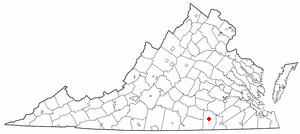
Lawrenceville is a small town in Brunswick County, Virginia. It serves as the county seat and is known for its historic downtown, agricultural heritage, and the former St. Paul's College campus.
Overview
Lawrenceville is a small incorporated town in Brunswick County in the U.S. state of Virginia. It functions as the county seat and provides local government services, a compact commercial core, and basic community amenities for the surrounding rural area. The town is typical of Virginia's Southside region: modest in size, with a mix of historic buildings and modern civic facilities.
Image gallery
2 Images
History and development
Lawrenceville developed as a local market and administrative center for a rural, agricultural county. Over time it grew around a courthouse and downtown corridor where merchants, lawyers, and public offices concentrated. The town’s history is tied to plantation agriculture and later diversified farming practices that shaped much of Southside Virginia.
Economy, culture, and institutions
The local economy is largely driven by agriculture, small businesses, and county government employment. Lawrenceville gained wider attention for hosting the campus of St. Paul’s College, a historically Black institution that operated in the town until it closed in 2013. Cultural life in the area often reflects regional traditions, including cooking and community festivals associated with Brunswick County.
Landmarks and community life
- Historic downtown courthouse area and period commercial buildings that anchor civic life.
- Local churches and community centers that serve as social and cultural hubs.
- Former campus of St. Paul’s College, which remains a notable landmark in local memory and planning discussions.
Visitors and residents use a handful of regional roads to connect Lawrenceville with neighboring towns and services. The town maintains an official municipal presence online for local notices and resources — see the town website — and county-level information is available through Brunswick County and tourism resources (local tourism and county pages).
Notable facts and distinctions
As the county seat, Lawrenceville holds the county courthouse and related offices, giving it importance beyond its size. The town represents a common pattern in rural Virginia: a small, service-oriented center surrounded by farmland, preserving local history while adapting to economic change.
Related articles
Author
AlegsaOnline.com Lawrenceville, Virginia — town and county seat in Southside Virginia Leandro Alegsa
URL: https://en.alegsaonline.com/art/56455