
Lavin (former Swiss municipality in Graubünden)
Lavin was a small mountain village and former municipality in the district of Inn, canton of Graubünden, Switzerland. It merged with Susch into Zernez on 1 January 2015.
Overview
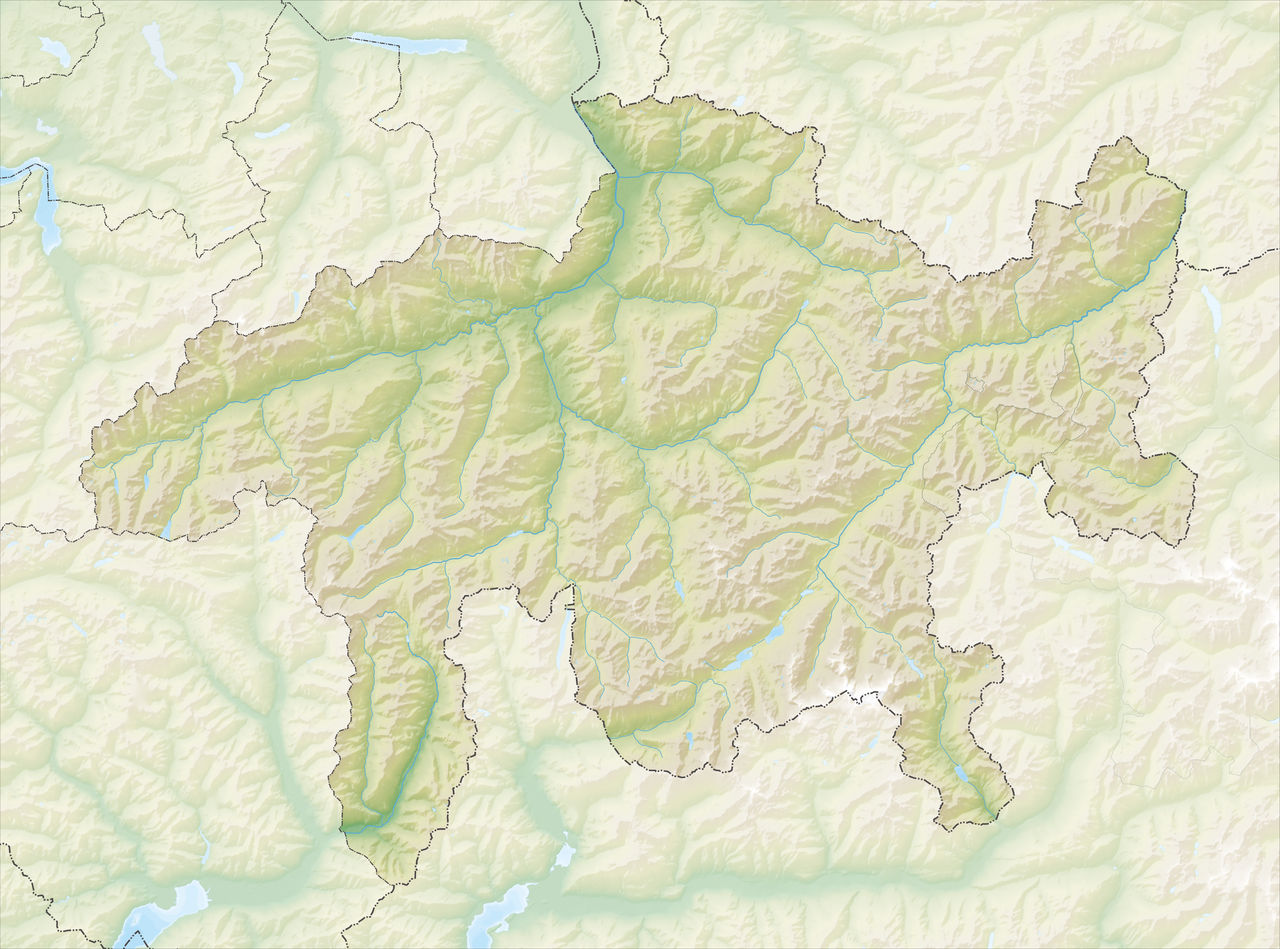
Lavin was a small alpine village and municipality in the district of Inn within the canton of Graubünden (Graubünden), in Switzerland. Set in the Engadine region, it is characteristic of settlements found in high-elevation valleys of southeastern Switzerland: compact, historically rooted, and surrounded by mountain pastures and alpine scenery.
Image gallery
6 Images


Geography and characteristics
Lavin occupied a valley-floor location with easy visual access to the surrounding peaks and the course of the Inn River. The village core retains traditional building forms and a rural layout. Typical local features included small-scale agriculture, mountain pastures, and trails used for walking and seasonal grazing.
- Alpine valley setting and mountain views
- Traditional village architecture and compact center
- Local agriculture and outdoor recreation opportunities
History and administrative change
Like many places in the Engadine, Lavin has medieval roots and grew as a small rural community centered on farming and local trade. In modern administrative terms the most notable change occurred on 1 January 2015, when the former municipalities of Lavin and Susch were merged into the larger municipality of Zernez. That reorganization was part of a wider trend in the region to combine small municipalities for administrative efficiency.
Economy, culture and uses
The local economy historically relied on mixed mountain agriculture and alpine pasturing; in recent decades tourism and outdoor recreation—hiking, winter activities, and nature appreciation—have become more important. The village preserves local cultural traditions typical of the Engadine, and its setting makes it a base for visitors exploring the surrounding highland landscapes.
Notable facts and distinctions
Lavin is representative of many small Engadine communities: small population, strong links to mountain agriculture, and an emphasis on conserving traditional village character while adapting to tourism and regional governance changes. For readers seeking further administrative or historical details, municipal records and regional guides provide contemporary accounts and maps.
Related articles
Author
AlegsaOnline.com Lavin (former Swiss municipality in Graubünden) Leandro Alegsa
URL: https://en.alegsaonline.com/art/56388