
Lavaré — commune in the Sarthe department of Pays de la Loire, France
Lavaré is a small French commune in the Sarthe department, in the Pays de la Loire region. This article covers its location, administration, history, local features and cultural life.
Overview
Lavaré is a commune in the west of France. It belongs administratively to the Sarthe department within the Pays de la Loire region. As a French commune, Lavaré is the lowest level of territorial administration, governed by a mayor and municipal council and responsible for local services and civic life.
Image gallery
1 Image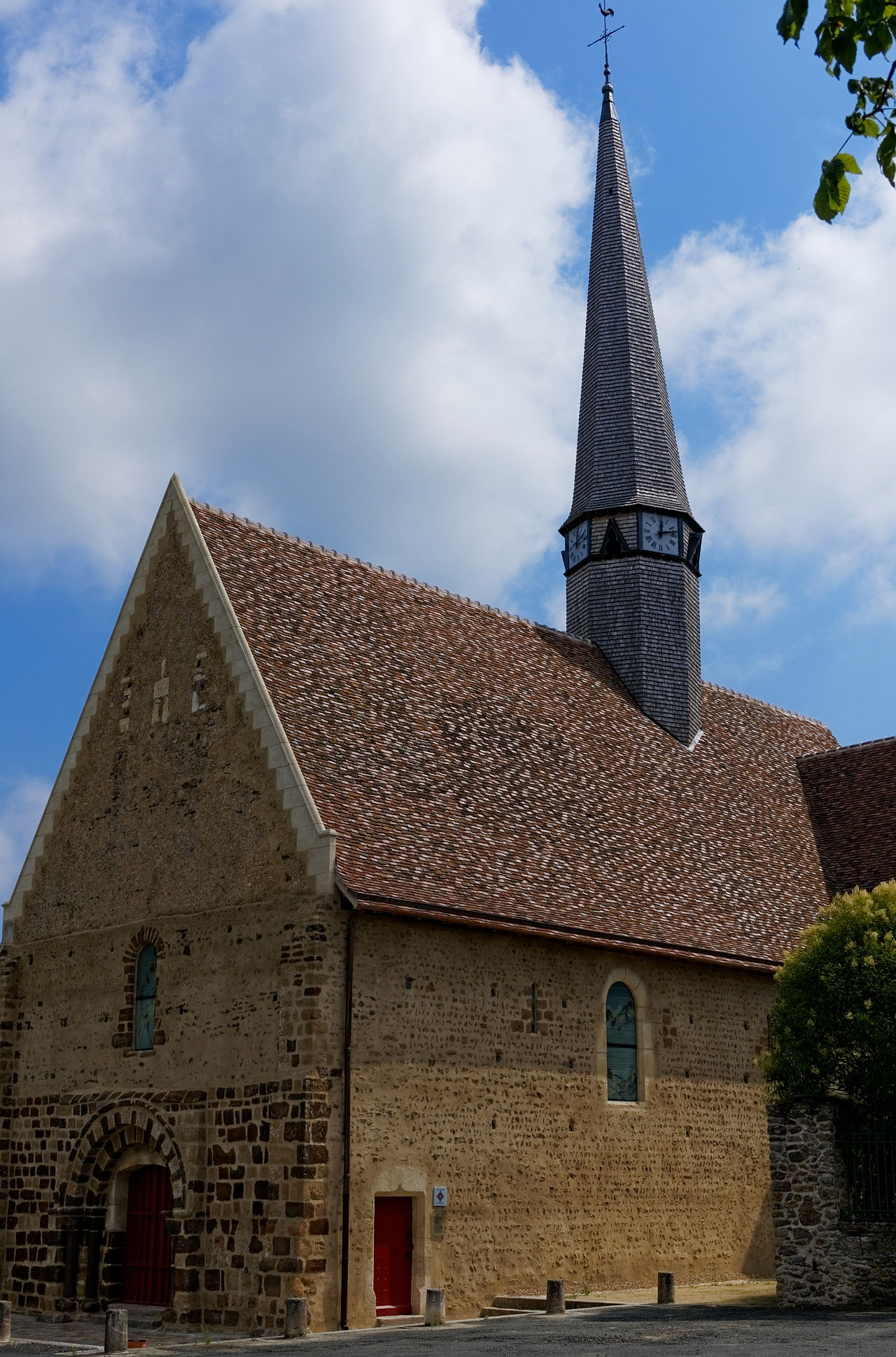
Geography and administration
Lavaré sits in a predominantly rural setting characterized by farmland, small woodlands and village settlements. The commune is part of the departmental network of communes and cooperates with neighboring municipalities for shared services. Typical public institutions include a town hall (mairie), a primary school where present, and local roads linking residents to larger towns in the department.
History and heritage
Like many communes in northwestern France, Lavaré has roots that trace back through medieval and early modern periods. The local church, historical farmhouses and traditional stone or timber buildings reflect centuries of rural life. Local records and monuments often illustrate changes in agriculture, land ownership and communal governance over time.
Economy and community life
The local economy is largely shaped by agriculture, small-scale commerce and services that support daily life. Community life typically includes seasonal events, markets and cultural gatherings that bind residents together. Volunteers and associations often play a central role in organizing festivals, sports and cultural activities.
Points of interest and services
- Religious and historic buildings such as the village church or former manor houses.
- Walking routes and rural landscapes valued for outdoor recreation and nature observation.
- Local shops, communal facilities and periodic markets that support village life.
Notable facts and distinctions
As a commune in the Sarthe department, Lavaré participates in the broader cultural and administrative traditions of the Pays de la Loire region. Its identity is shaped by rural heritage, local governance and community initiatives that preserve historical features while addressing contemporary needs.
For more administrative or visitor information consult municipal resources or regional guides supplied by departmental and regional authorities.
Related articles
Author
AlegsaOnline.com Lavaré — commune in the Sarthe department of Pays de la Loire, France Leandro Alegsa
URL: https://en.alegsaonline.com/art/56362