
Laval (Mayenne) — prefecture and historic town in north-western France
Laval is the prefecture of the Mayenne department in north-western France. A riverside town with medieval roots, notable landmarks, local industry history and a distinct civic identity (Lavallois).
Overview
Laval is a town in north-western France that serves as the prefecture of the department of Mayenne. Administratively it is also a commune within the territorial framework of France and part of the broader department structure. The inhabitants are commonly called Lavallois. The town functions as an administrative, cultural and commercial centre for the surrounding rural area.
Image gallery
10 Images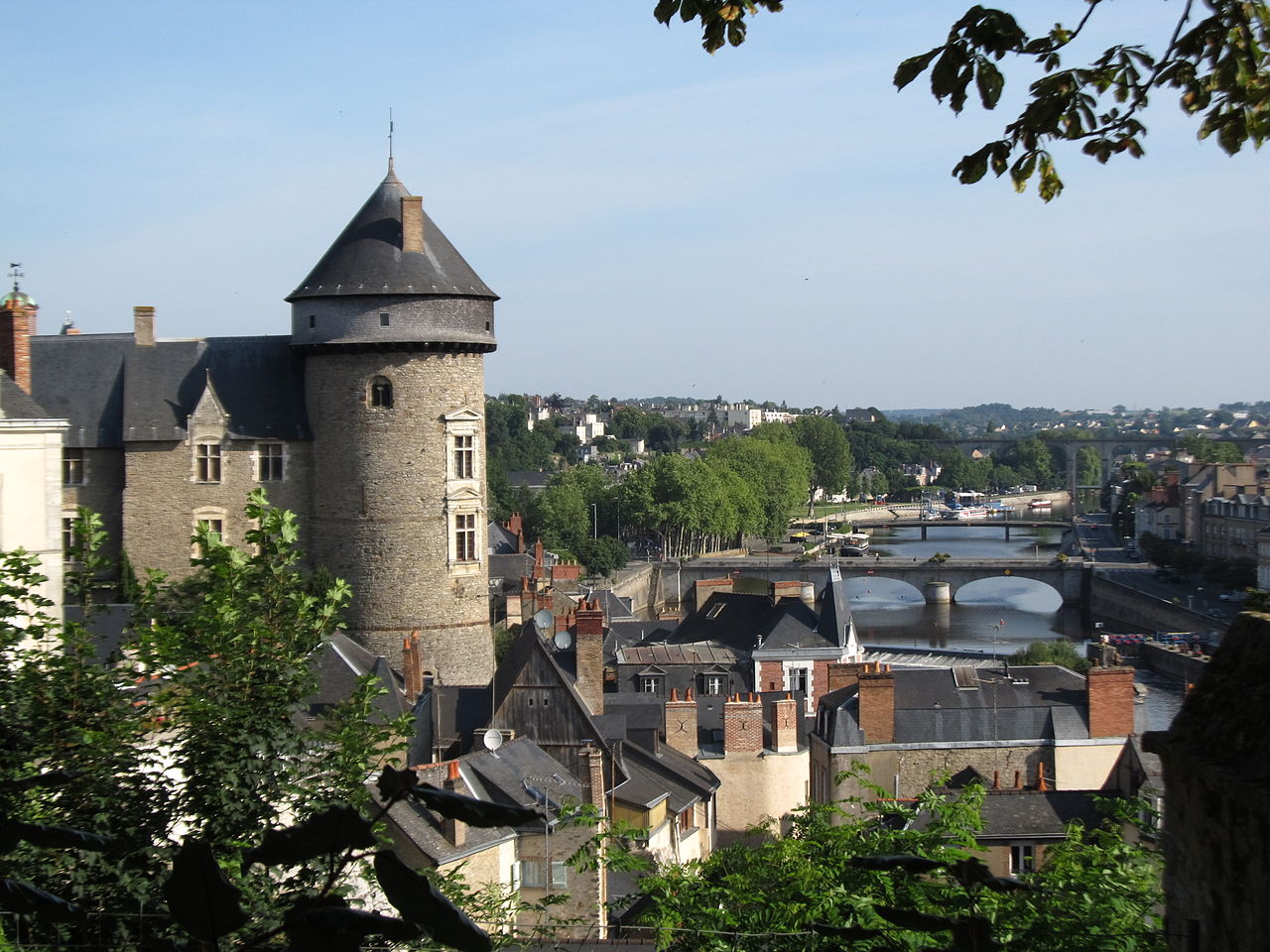


Geography and landmarks
Laval lies along the valley of the Mayenne river, which bisects the town and has shaped its urban development. The historic core climbs a river bluff and is dominated by the Château de Laval, a fortified complex overlooking the water. Narrow streets, bridges and preserved façades reflect a layered townscape in which medieval, classical and 19th-century industrial elements coexist.
History and development
Founded in the Middle Ages around strategic river crossings and markets, Laval grew through trade and local manufacture. In the 18th and 19th centuries the town expanded with small-scale industry—textile and leather trades left visible marks on its architecture and neighbourhoods. Over time Laval transitioned toward diversified services while maintaining historic sites that recall its past.
Economy, culture and public life
Today Laval combines public administration with commerce, light industry and cultural activity. Museums, city festivals and specialist events attract regional visitors; one notable modern initiative has been an international technology and exhibition presence that highlights digital and virtual media. Local shops, cafés and markets sustain everyday life for residents and visitors alike.
Transport and institutions
Laval is connected by regional roads and rail links that tie it to larger urban centres in the region, supporting commuting and tourism. It hosts a range of municipal services, schools and cultural institutions typical of a departmental capital.
Notable distinctions
Laval should not be confused with other places of the same name outside France (for example the Canadian city of Laval). The town's identity remains strongly linked to its river setting, its château and the local demonym Lavallois, which is used in civic and sporting contexts.
- Key landmarks: Château de Laval, riverside historic quarter
- Traditional trades: textiles and leather manufacture
- Contemporary note: events and exhibitions that attract international visitors
Related articles
Author
AlegsaOnline.com Laval (Mayenne) — prefecture and historic town in north-western France Leandro Alegsa
URL: https://en.alegsaonline.com/art/56357