
Six Flags — North American regional amusement park company
Six Flags is a chain of regional amusement and water parks in North America, known for themed areas, large roller coaster collections, seasonal events and a history of corporate changes and licensing deals.
Six Flags Entertainment Corporation is a prominent operator of regional amusement parks and water attractions in North America. The company runs parks and entertainment venues across the United States, Mexico and Canada, including full-scale theme parks, dedicated water parks and family-oriented centers. Attendance has varied year to year; for example, the chain reported roughly 24.3 million visitors in 2011, illustrating its role as a major leisure and tourism provider.
Image gallery
10 Images


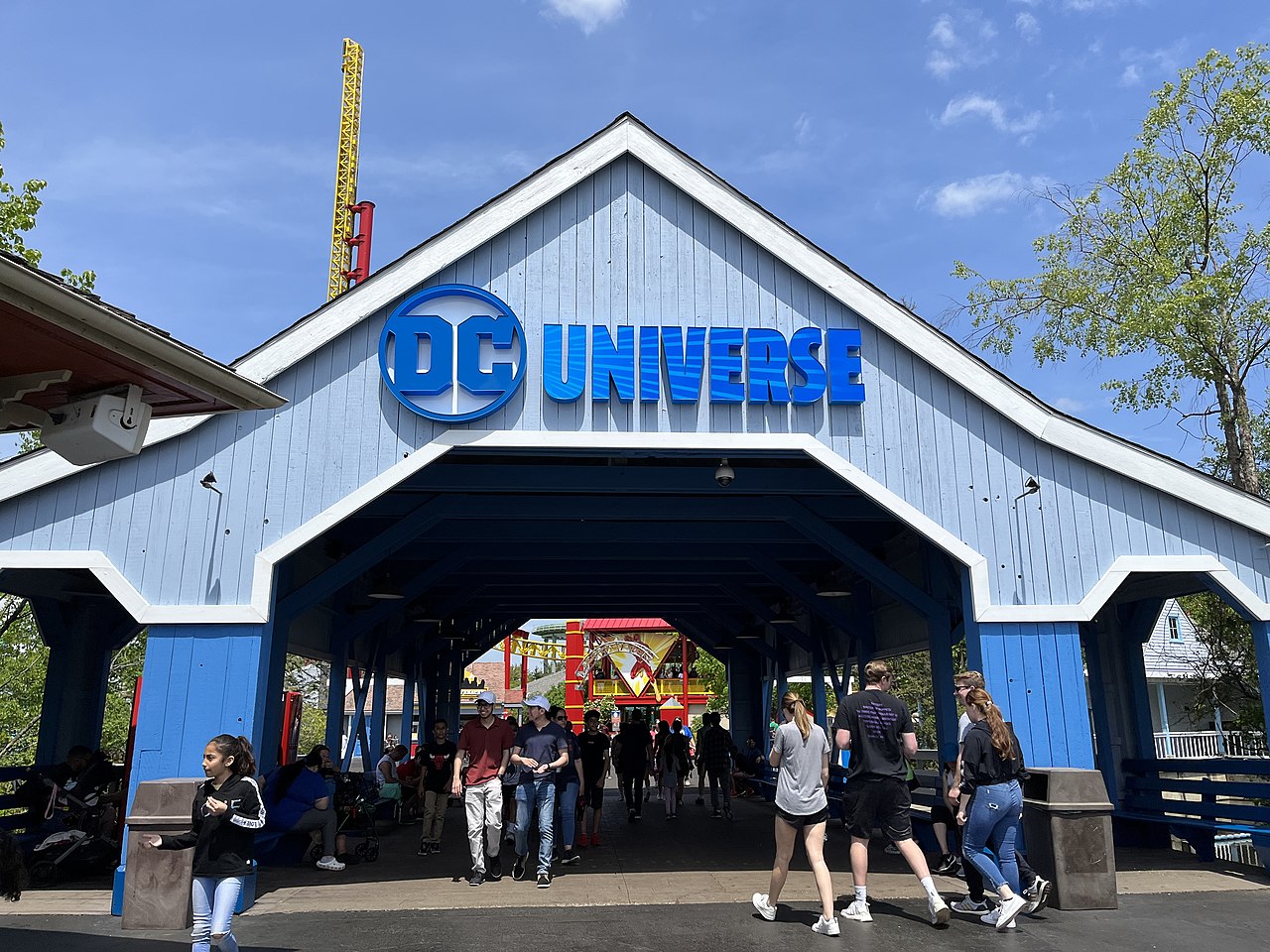


What Six Flags parks are like
Individual Six Flags properties are organized around themed sections, thrill rides and family attractions. Many parks feature large roller coasters—both steel and hybrid designs—flat rides, live shows, and walk-through themed lands intended to appeal to a range of ages. Operators emphasize a mix of headline attractions (fast, tall coasters), water-based recreation, and seasonal programming such as Halloween and winter holiday events. Parks typically sell season passes and tiered admission, and they operate with a strong focus on guest safety, ride maintenance and crowd management.
Origins of the name and early development
The Six Flags brand originated with Six Flags Over Texas, which opened in 1961 and was developed by entrepreneur Angus G. Wynne Jr. The name refers to the six national flags that have flown over Texas in its history: Spain, France, Mexico, the Republic of Texas, the United States and the Confederate States. Early parks were divided into distinct areas that reflected historical or cultural themes; this regional, sectional design remains a hallmark of many Six Flags locations.
History, corporate changes and licensing
Over several decades Six Flags grew through new park development and acquisitions. In the 1990s the company underwent major corporate transactions that reshaped ownership and brand licensing. A prominent media company acquired a stake in the parks in the early 1990s and later a regional operator purchased the chain in the late 1990s, a change that included long-term arrangements for character and intellectual property usage. Under that arrangement Six Flags parks gained access to many recognizable entertainment characters, including franchises associated with Warner Bros. and related properties such as Looney Tunes, Bugs Bunny, Daffy Duck, Scooby-Doo, Tom and Jerry, Cartoon Network and characters from DC Comics like Superman, Batman and Wonder Woman. These licensing relationships have allowed parks to offer branded attractions and costumed character experiences.
Like many large operators, Six Flags has experienced financial ups and downs and changes in ownership and strategy; it has restructured business units and adjusted its portfolio of parks in response to market conditions. The company has also gone through corporate reorganizations to reduce debt and refocus on core entertainment assets.
Role, operations and guest experience
Six Flags parks serve multiple purposes: they are entertainment venues, local employers and regional tourism draws. Parks aim to attract repeat visitors through season passes, special events such as Halloween "Fright Fest" and winter "Holiday" celebrations, and regular ride additions that generate publicity. Operational priorities include guest safety, efficient queuing, food and retail services, and accessibility for families. Many parks partner with local communities and vendors and contribute to regional economies through tourism-related spending.
Notable parks and distinguishing features
- Six Flags Over Texas — the original park and a historically important property in the chain.
- Six Flags Magic Mountain — widely known for its large collection of roller coasters and for frequently competing for coaster records.
- Six Flags Great Adventure and other flagship parks — sites that host particularly large or innovative thrill rides and seasonal spectacles.
Across its portfolio, Six Flags is associated with a broad variety of attractions, from family rides to extreme coasters, and with seasonal events that expand attendance beyond the traditional summer months. The company's combination of themed lands, licensed characters and high-capacity attractions has made it a recognizable name in North American regional amusement parks.
For further corporate or visitor information, consult official park resources and the company’s public materials.
Questions and answers
Q: What company operates 19 amusement parks?
A: Six Flags Entertainment Corporation operates 19 amusement parks in Mexico, the United States and Canada.
Q: What type of parks does Six Flags operate?
A: Six Flags operates theme parks, thrill parks, water parks and family entertainment centers.
Q: How many people visited the Six Flags Parks in 2011?
A: In 2011, 24.3 million people visited the Six Flags Parks.
Q: Where does the name "Six Flags" come from?
A: The name "Six Flags" comes from the flags of six different nations that have governed Texas - Spain, France, Mexico, Republic of Texas, United States of America and Confederate States of America.
Q: Who is Time Warner's investment partner for selling its stake in Six Flags?
A: Time Warner's investment partner for selling its stake in Six Flags is Boston Ventures.
Q: What will Premier acquire 100% of when it purchases Six Flag?
A: When Premier acquires 100% of Six Flag it will acquire $965 million including $765 million in cash and $200 million in convertible preferred Premier stock.
Q: What type of licensing agreement did Time Warner make with Premier? A: Under a long-term licensing agreement with Premier, Time Warner gains exclusive domestic theme park rights to characters from “Looney Tunes” (including Bugs Bunny and Daffy Duck), Scooby-Doo, Tom and Jerry, Cartoon Network and DC Comics (Superman, Batman and Wonder Woman).
Related articles
Author
AlegsaOnline.com Six Flags — North American regional amusement park company Leandro Alegsa
URL: https://en.alegsaonline.com/art/90837
Sources
- investors.sixflags.com : "Six Flags - Investor Relations - Financial Release"
- books.google.com : Race, Riots, and Roller Coasters: The Struggle Over Segregated Recreation in America