
Arleta, Los Angeles
Arleta is a residential neighborhood in the northeastern San Fernando Valley of Los Angeles. It developed after WWII, has a strong Latino presence, neighborhood parks, schools, local commerce and an active neighborhood council.
Overview
Arleta is a neighborhood in the northeastern San Fernando Valley within the City of Los Angeles. Primarily residential, it grew substantially during the mid-20th century and is characterized by single-family homes, low-rise apartment buildings and modest commercial corridors. The area has a working-class profile and a diverse population, with a substantial Latino presence that shapes local businesses, culture and community life.
Image gallery
5 Images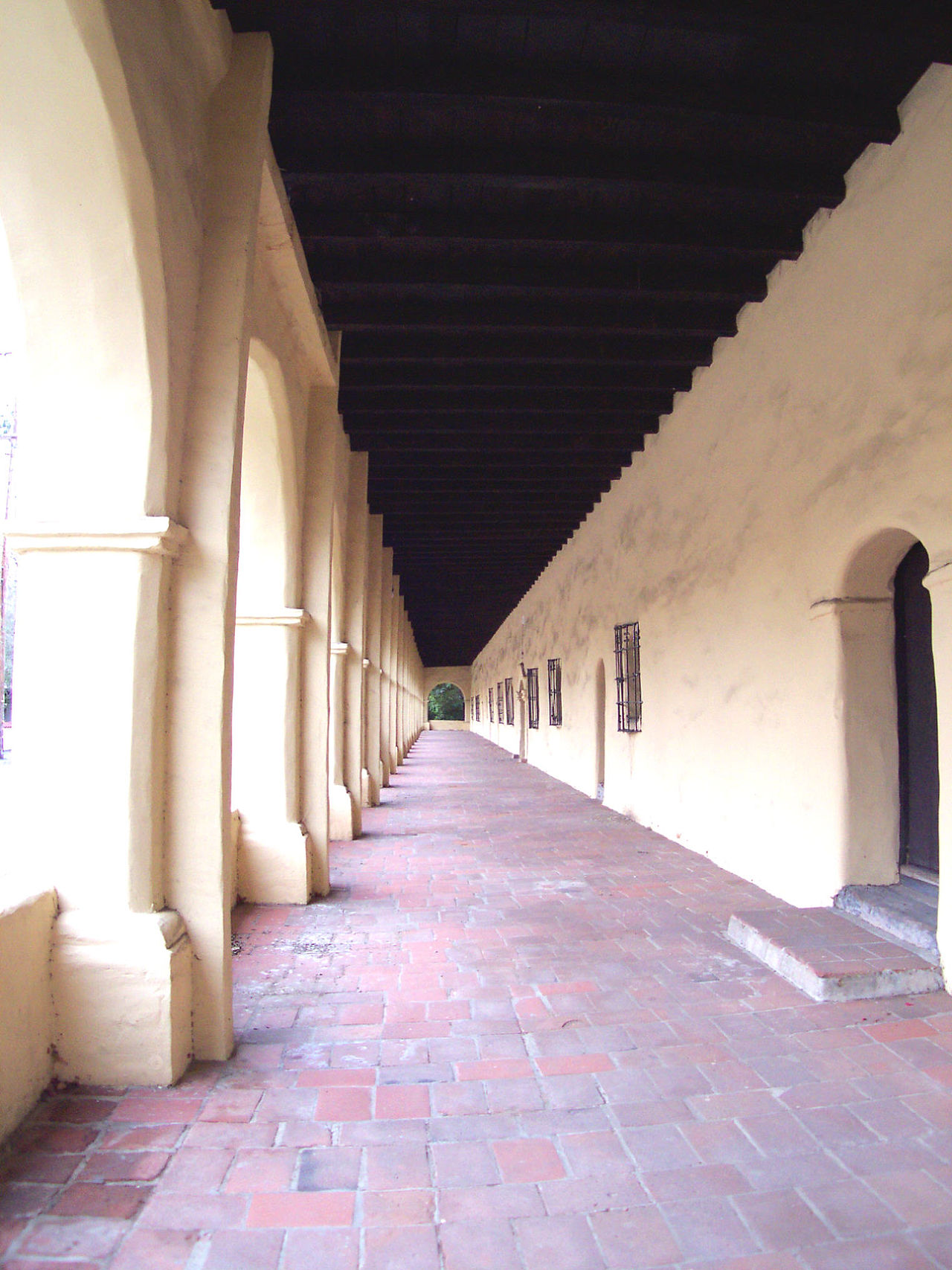


Location and surroundings
Arleta lies among several other San Fernando Valley communities, including Pacoima, Panorama City, Sun Valley and North Hills. It is served by a network of city streets and municipal transit routes that connect residents to neighboring districts and to regional transit lines. Major thoroughfares and freeway access within reach make other parts of Los Angeles accessible for employment and services.
History and development
As with much of the valley, the land that became Arleta was initially used for agriculture and ranching. After World War II the area was subdivided for suburban housing, with tract homes and modest commercial strips built to serve growing families. Over subsequent decades Arleta transitioned into a fully urban neighborhood within Los Angeles, retaining much of its mid-century residential character while accommodating infill development.
Parks, schools and services
Residents rely on local parks and recreation centers, public schools operated by the Los Angeles Unified School District and small neighborhood libraries and community facilities. Parks and playgrounds provide meeting places and recreational programming; nearby schools and faith institutions often serve as focal points for local events and volunteer activities.
Housing and local economy
Housing stock in Arleta ranges from postwar bungalows and ranch houses to more recent multiunit infill. Many properties have been updated while the neighborhood overall remains low to medium in scale. Commercial strips feature small groceries, restaurants, service businesses and family-owned shops that reflect the cultural makeup of the community.
Transportation
Public transportation in Arleta is provided by municipal bus lines, and several arterial streets connect to valley freeways and regional routes. The neighborhood’s location facilitates commutes to nearby employment centers in the San Fernando Valley and greater Los Angeles, though residents often rely on a mix of transit, driving and local walking trips.
Civic life and issues
Arleta has an active neighborhood council and community organizations that engage on land use, public safety, parks, traffic and local services. Civic participation is expressed through school-parent groups, volunteer programs and small cultural events. Like many urban neighborhoods, Arleta faces ongoing planning questions about housing, infrastructure and preserving community character as the city evolves.
Notable distinctions
- Part of the northeastern San Fernando Valley with a predominantly residential character.
- Strong neighborhood identity supported by local organizations and a neighborhood council.
- Local parks, schools and small businesses that reflect long-standing community ties.
Related articles
Author
AlegsaOnline.com Arleta, Los Angeles Leandro Alegsa
URL: https://en.alegsaonline.com/art/5620