
Languages of the United Kingdom
Overview of the languages spoken across the UK, including indigenous Celtic and Germanic languages, immigrant and sign languages, their history, status, and contemporary use.
Overview
The United Kingdom is linguistically diverse. English is the dominant language nationally, while a number of indigenous languages survive regionally. These include Celtic languages (Welsh, Scottish Gaelic, Irish, Cornish) and varieties of Germanic speech such as Scots and Ulster Scots. A range of immigrant languages and British Sign Language are also important parts of the linguistic landscape.
Image gallery
10 Images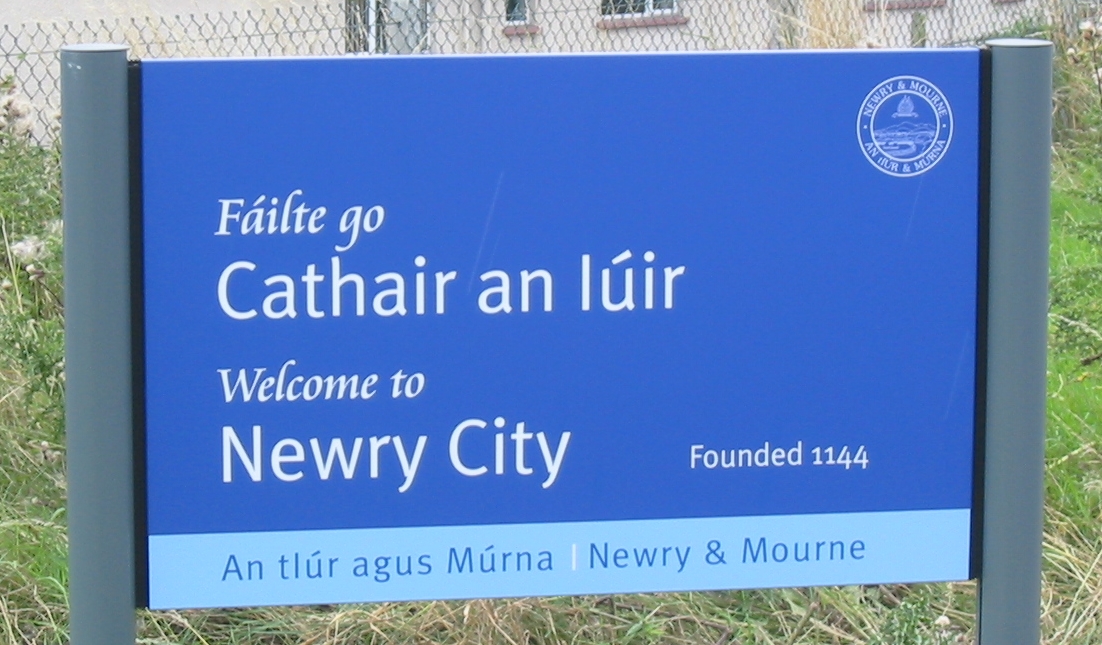




Major indigenous languages
- English – a West Germanic language used for government, commerce, education and most media across the UK.
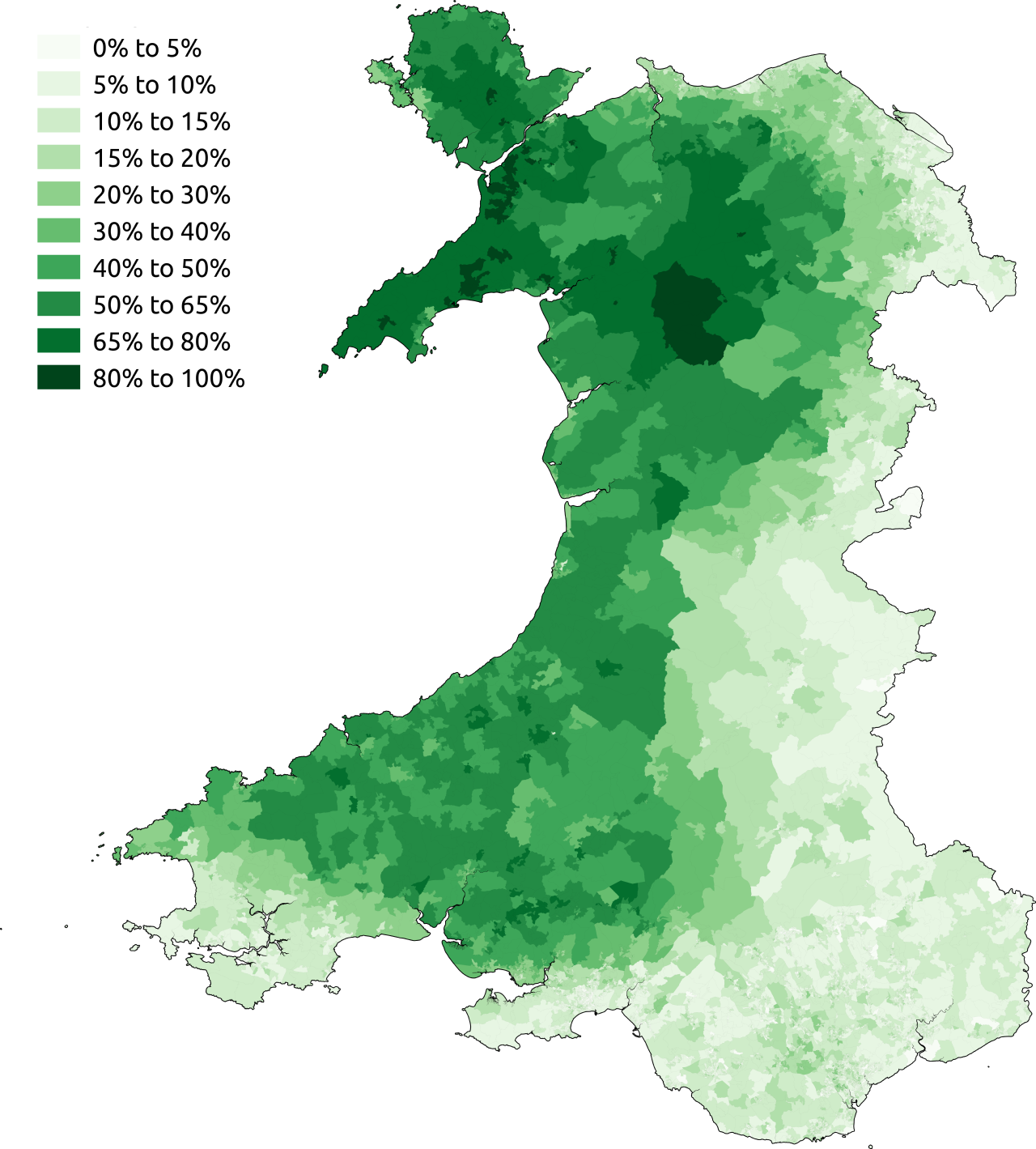
- Welsh – a Brittonic Celtic language with strong community use in Wales and bilingual signage, education and broadcasting.
- Scottish Gaelic – a Goidelic Celtic language spoken mainly in parts of the Highlands and Islands of Scotland; cultural revival continues.
- Irish – a Goidelic language spoken in parts of Northern Ireland and the Republic of Ireland; it has cultural and political significance in the north.
- Scots and Ulster Scots – Germanic varieties with debate over classification as languages or dialects; they have distinct vocabularies and literary traditions.
- Cornish and Manx – Celtic languages of Cornwall and the Isle of Man that experienced near extinction and have been revived; the Isle of Man is a Crown dependency rather than part of the UK.
Immigrant and sign languages
Large-scale immigration over the past century introduced many languages, commonly including Polish, Punjabi, Bengali, Urdu and Arabic among others. These are widely used in communities, places of worship, shops and media. British Sign Language (BSL) is used by Deaf communities across the UK and has an established role in education, advocacy and interpretation services.
History and development
The linguistic map of Britain reflects centuries of layered history: Celtic languages across pre-Roman Britain; Latin from the Roman period; Germanic Old English from migrations in the early Middle Ages; Norse and Norman influences; then the expansion of modern English. Celtic languages retreated geographically but persisted in Wales, parts of Scotland, Cornwall and Ireland, while revival movements in the 19th and 20th centuries promoted teaching, publishing and broadcasting in minority tongues.
Legal status, education and cultural importance
Legal recognition and support vary. Welsh enjoys official status in Wales and is used in public services and education; Scottish Gaelic and Irish have statutory recognition and support programs; Cornish has minority language recognition. Policies address bilingual signage, education, media provision and public funding. Language can be politically sensitive, reflecting identity, regional autonomy and cultural preservation.
Notable distinctions
The UK distinguishes between de facto and de jure status: English functions as the everyday national language, while regional languages are supported to differing degrees. The debate over whether some varieties (for example Scots) are separate languages or dialects is ongoing and mixes linguistic, historical and political considerations. Together, indigenous, immigrant and signed languages make the UK a multilingual society with active efforts to preserve and promote linguistic diversity.
Related articles
Author
AlegsaOnline.com Languages of the United Kingdom Leandro Alegsa
URL: https://en.alegsaonline.com/art/55922