
Langres — hilltop town and subprefecture in northeastern France
Langres is a fortified hilltop commune and subprefecture in Haute-Marne, Grand Est, known for its medieval ramparts, Gothic cathedral, culinary specialty Langres cheese and as the birthplace of Denis Diderot.
Overview
Langres is a historic commune in France and serves as a subprefecture for the Haute-Marne department, located in northeastern France within the Grand Est region. Perched on a chalk plateau, the town occupies a strategic height that has shaped its role as a regional center of administration, culture and commerce.
Image gallery
10 Images


Characteristics and layout
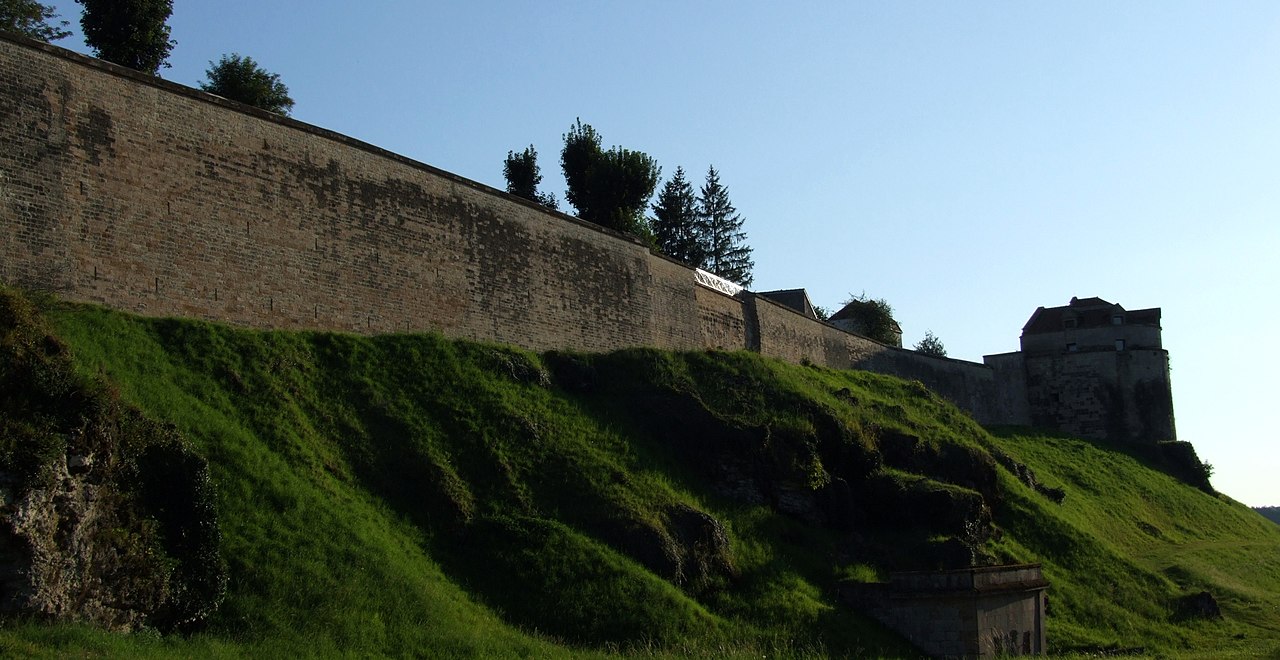
The urban fabric of Langres is defined by a compact medieval core surrounded by extensive ramparts and bastions. Narrow streets converge on the cathedral precinct and town square; stone houses, vaulted gateways and promenades along the walls provide scenic vantage points. The plateau setting places Langres near the headwaters of local rivers and contributes to its panoramic views across the surrounding countryside.
History and architecture
Langres has ancient and medieval origins and grew in importance through the Middle Ages as a fortified stronghold. Surviving architectural highlights include the Gothic cathedral dedicated to Saint Mammès, town gates, and well-preserved sections of defensive walls. The layout and fortifications reflect successive building phases from medieval masonry to later bastioned works.
Gastronomy, culture and economy
The town gives its name to Langres cheese, a small, washed‑rind cow's‑milk cheese prized for a creamy texture and a slight central depression on the top. Local commerce combines agriculture, artisan food production and services that support tourism and administration. Cultural life commemorates local heritage and notable figures associated with the town.
Notable facts and visiting
Langres is the birthplace of the Enlightenment writer Denis Diderot and is widely visited for its historic ramparts, cathedral and culinary specialties. Visitors often follow walking circuits around the walls, explore museums and enjoy regional markets. Useful attractions and typical sights include:
- Medieval ramparts and panoramic promenades
- Cathedral of Saint Mammès and church monuments
- Local markets and producers of Langres cheese
- Museum exhibits on local history and notable citizens
As a modest administrative center with deep historical roots, Langres offers a concentrated experience of northeastern French heritage, architecture and regional gastronomy.
Related articles
Author
AlegsaOnline.com Langres — hilltop town and subprefecture in northeastern France Leandro Alegsa
URL: https://en.alegsaonline.com/art/55893
Sources
- langres.fr : "Le Conseil municipal"
- insee.fr : "Commune de Langres (52269) - Comparateur de territoire"
- map-france.com : "The city of Langres"
- annuaire-mairie.fr : "Ville de Langres"
- weatherbase.com : "Langres, France - Köppen Climate Classification"
- habitants.fr : "Langres (52200)"