
Lane County, Oregon
A diverse county in western Oregon centered on Eugene; covers Willamette Valley to the Pacific Coast, with forests, rivers, higher education, timber and recreation.
Lane County lies in western Oregon and combines urban centers, agricultural valley, mountains and coastline. According to the 2010 census, the county had about 351,715 residents, making it one of the state's most populous counties. The county government is based in the city of Eugene, a regional hub for education, culture and services.
Image gallery
7 Images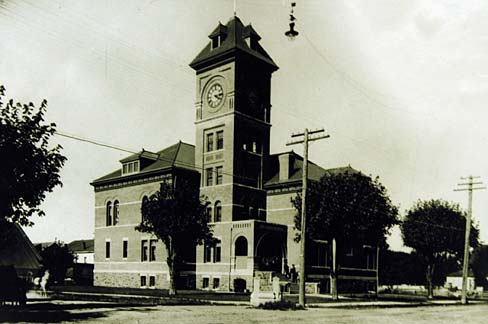



Geography and environment
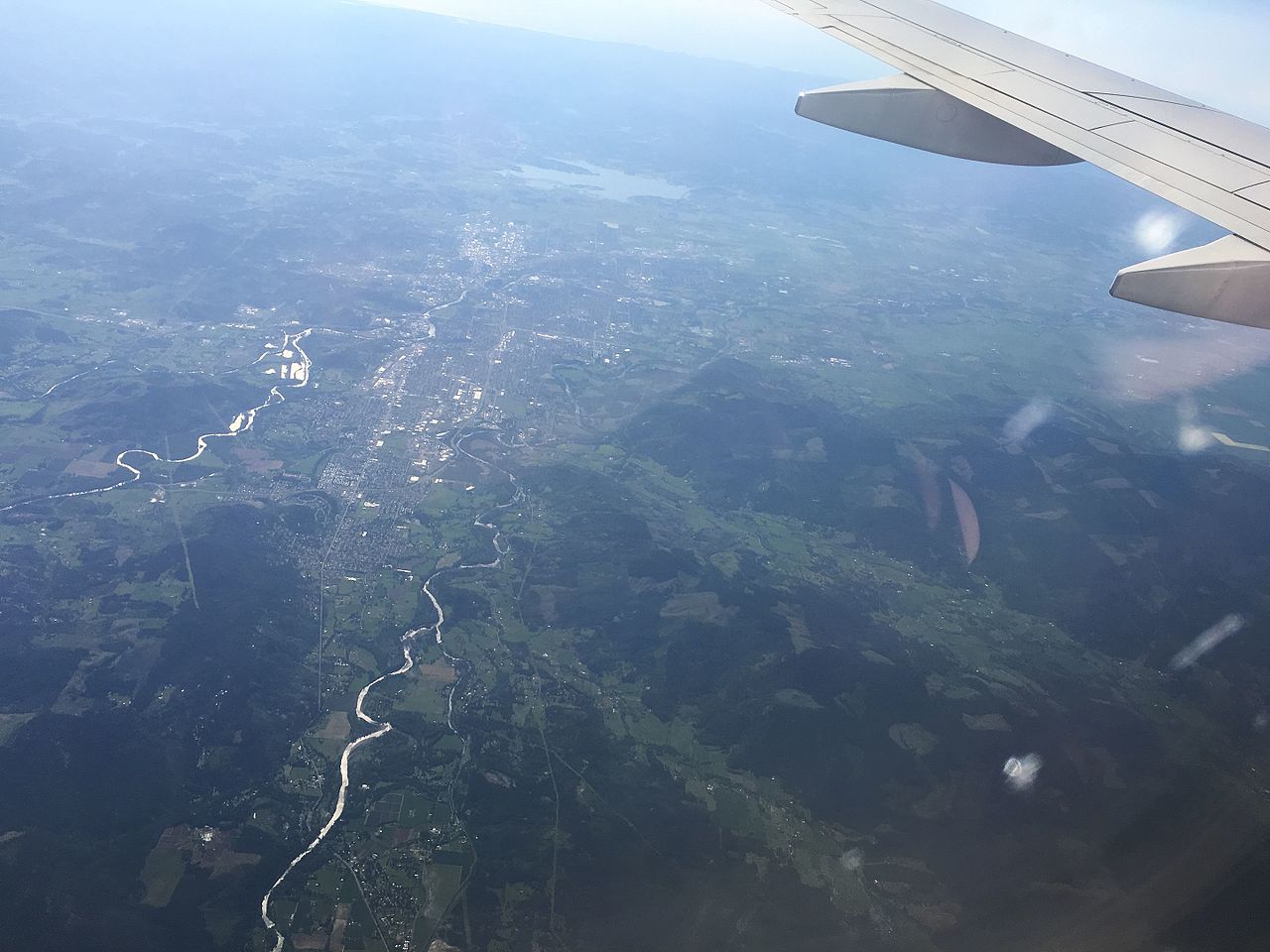
Lane County spans several major landscapes: the fertile Willamette Valley, the forested western Cascades, and a stretch of Pacific coastline. Its waterways include the Willamette, McKenzie and Siuslaw rivers, which support agriculture, fisheries and recreation. The county also contains significant public lands such as national and state forests and the dynamic sand systems of the Oregon Dunes.
Communities and economy
Eugene is the largest city and anchors a metropolitan area that includes Springfield and smaller towns such as Florence and Cottage Grove. The local economy blends higher education and health care, led by the University of Oregon, with traditional industries like timber and agriculture, plus tourism, manufacturing and a growing technology sector.
History and government
The county was established in the 19th century and named for an early national figure. Local government operates countywide services, land-use planning, law enforcement and public works from the county seat. County boards and elected officials manage budgets and policies for a population with both urban and rural needs.
Recreation and points of interest
- Outdoor activities: hiking, fishing, boating and winter recreation in nearby mountains.
- Coastal attractions: beaches, dunes and small coastal towns that draw visitors.
- Urban culture: museums, music venues, university events and regional festivals.
Lane County's mix of city life, farmland, forest and shoreline gives it a varied character within the Pacific Northwest. For official information, services and recent statistics see county resources and regional planning agencies linked through local portals and civic sites.
Additional resources: county overview, demographic reports and maps archived by state and federal agencies provide deeper data on population, land use and economic trends.
Related articles
Author
AlegsaOnline.com Lane County, Oregon Leandro Alegsa
URL: https://en.alegsaonline.com/art/55858
Sources
- quickfacts.census.gov : "State & County QuickFacts"
- naco.org : "Find a County" · web.archive.org