
Landerrouat (Gironde) — overview of the commune in southwestern France
Landerrouat is a small rural commune in the Gironde department of southwestern France, historically part of Aquitaine and now within the Nouvelle-Aquitaine region.
Landerrouat is a small commune situated in the Gironde department in southwestern France. It lies within the historic territory known as Aquitaine and is administratively part of the wider region that is today called Nouvelle-Aquitaine. Like many communes in this part of the country, Landerrouat functions as the basic unit of local government and civic life.
Image gallery
1 Image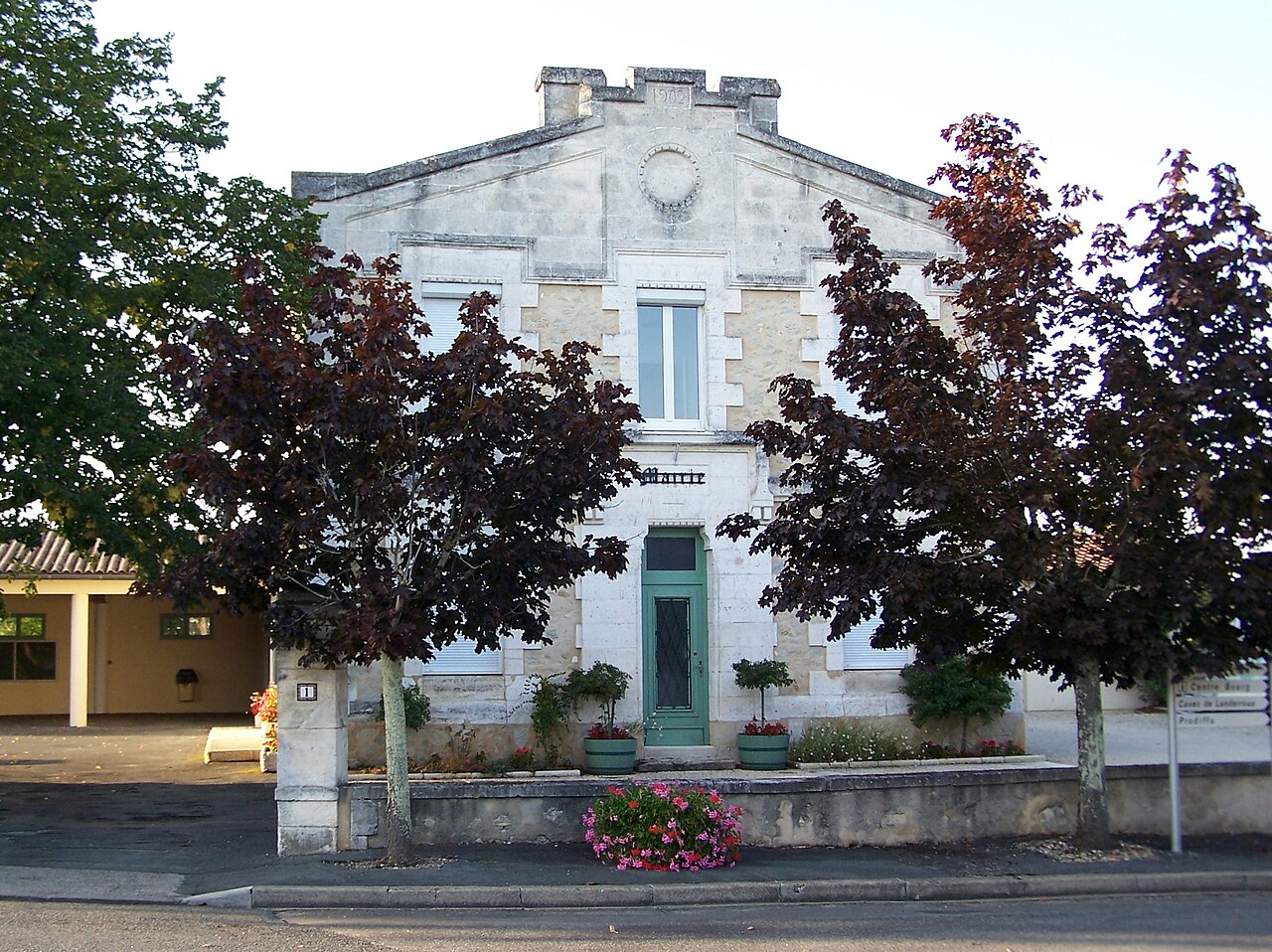
Geography and administration
The commune occupies a modest area of rural landscape typical of inland Gironde: a mix of small fields, hedgerows and woodland patches. As an administrative entity it is governed from a mairie (town hall) and participates in intercommunal arrangements with neighboring communes for services such as schools and waste management. Its setting places it within reach of larger towns and regional transport routes while retaining a distinctly countryside character.
History and development
Settlement in this part of southwestern France dates back many centuries; villages and parishes grew around agriculture and local trade. The modern concept of the commune emerged from administrative reforms of the French Revolution, which converted many historic parishes and seigneuries into civil communes. Over time, such places preserved local churches, farmhouses and rural road networks that reflect their layered past.
Economy, culture and daily life
Landerrouat's economy is shaped by rural activities common in Gironde: small-scale farming, forestry and, in the wider department, viticulture and agri-food businesses. Community life often centers on local associations, seasonal markets, and village festivals that celebrate regional cuisine and traditions. The area appeals to visitors seeking quiet countryside walks, local history and simple village hospitality.
Notable aspects and practical information
- As a commune it provides basic local services and civic representation for its residents.
- Its location in Gironde places it within a department known for both agricultural landscapes and nearby urban centers.
- Visitors can explore rural lanes, historic churches and nearby natural areas; detailed practical information is normally available from municipal sources or regional guides.
Landerrouat exemplifies the many small communes that together form the rural backbone of France, offering insights into local administration, landscape, and traditions while connecting to larger departmental and regional structures.
Related articles
Author
AlegsaOnline.com Landerrouat (Gironde) — overview of the commune in southwestern France Leandro Alegsa
URL: https://en.alegsaonline.com/art/55805