
Aristau — municipality in the district of Muri, Aargau, Switzerland
Aristau is a small German-speaking municipality in the district of Muri, canton of Aargau, Switzerland. Rural in character, it features agricultural land, local institutions and links to nearby towns.
Overview
Aristau is a small municipality in the district of Muri, within the canton of Aargau (Aargau canton) in Switzerland. It is a German-speaking community situated on the Swiss Plateau and is typical of the region’s rural municipalities: residential villages surrounded by farmland, hedgerows and small woodlands.
Image gallery
6 Images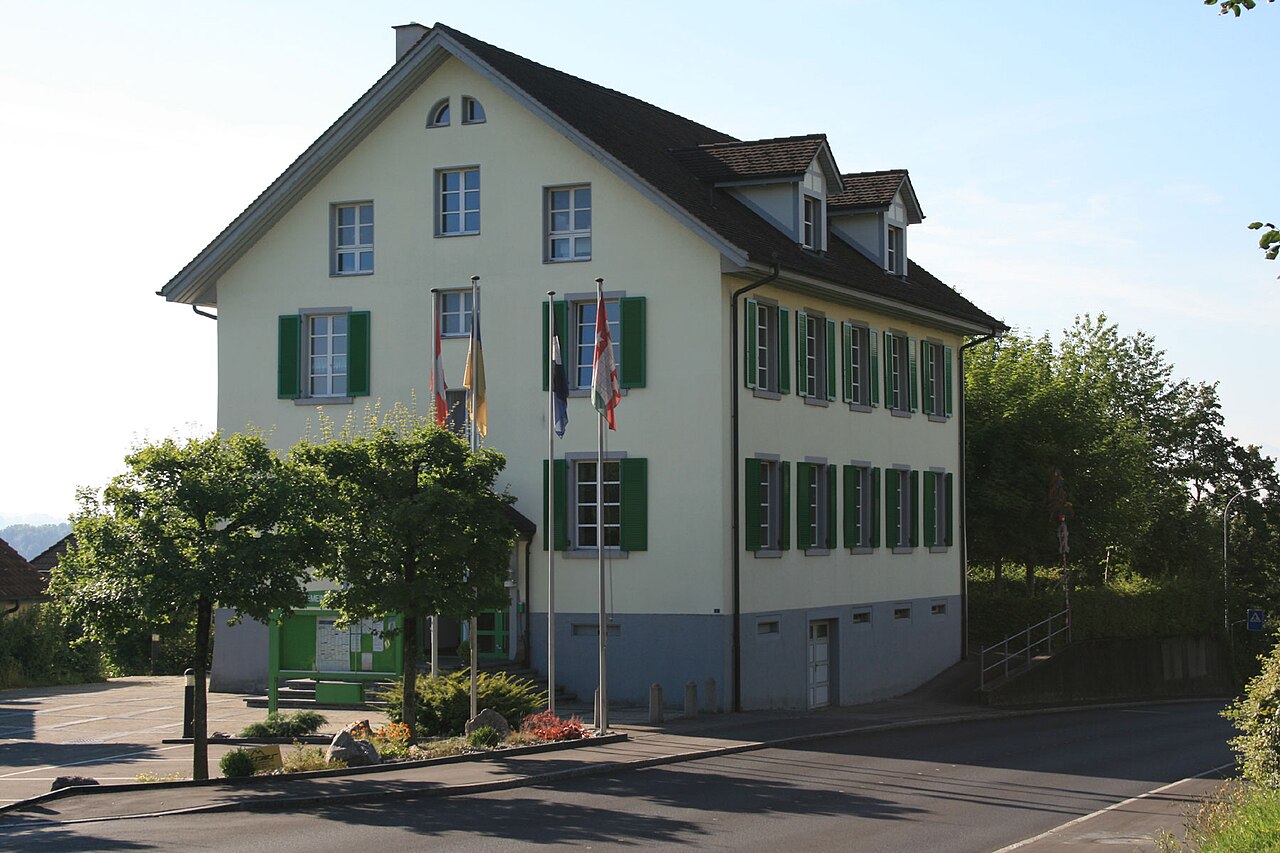


Geography and environment
The municipality comprises one or more compact village settlements and adjacent agricultural territory. The landscape is gently rolling, with fields and pastures used for mixed farming. Local streams and small wooded areas provide habitats for native flora and fauna and help define property boundaries and walking routes.
History and development
Aristau’s roots go back to the medieval period and earlier settlement on the Swiss Plateau; like many communities in Aargau, it developed around farming and local parish life. Over centuries the village adapted to changes in agriculture, transport and regional administration while retaining a largely rural character.
Administration and economy
As a Swiss municipality it is governed by a local council responsible for services such as planning, schools and utilities. The local economy relies primarily on agriculture, small businesses and trades. Many residents commute to larger towns and regional centres for employment, accessing services and markets beyond the municipal boundaries.
Community life and landmarks
Community life is centered on the village, the parish church or chapel, a school or shared educational arrangements, and volunteer organisations. Typical landmarks include historic farmhouses, village streets, and civic buildings that reflect local architectural traditions.
Transport and connections
Aristau has road links to neighbouring municipalities and is served by regional public transport that connects residents to district centres such as Muri and to larger urban areas for work, shopping and medical services. The municipality cooperates with district and cantonal authorities on planning and infrastructure.
Key points
- German is the official language and the community retains a rural character.
- Local government provides basic services and works with district/cantonal bodies.
- Economy: agriculture, local trades and commuting to nearby towns.
- Typical features: village core, parish facilities, farmland and small woods.
For official information and specific details such as demographics, municipal statutes or event calendars consult the municipal and cantonal sources: municipal page, district information and cantonal services.
Related articles
Author
AlegsaOnline.com Aristau — municipality in the district of Muri, Aargau, Switzerland Leandro Alegsa
URL: https://en.alegsaonline.com/art/5560