
Lake Wobegon — Garrison Keillor's fictional Minnesota town
Lake Wobegon is a fictional small town created by Garrison Keillor as the setting for his weekly monologues on A Prairie Home Companion, noted for its gentle satire, nostalgia, and the phrase 'all the children are above average.'
Overview
Lake Wobegon is a fictional Midwestern town imagined by writer and radio personality Garrison Keillor. It serves as the principal setting for his long-running monologue series "News from Lake Wobegon," which originally appeared on the variety program A Prairie Home Companion. The stories are framed as small-town life in central Minnesota, blending affectionate detail with mild satire and rural nostalgia. The radio segment reached listeners through public radio outlets such as National Public Radio and later via digital formats including a podcast and distribution channels like iTunes.
Image gallery
4 Images
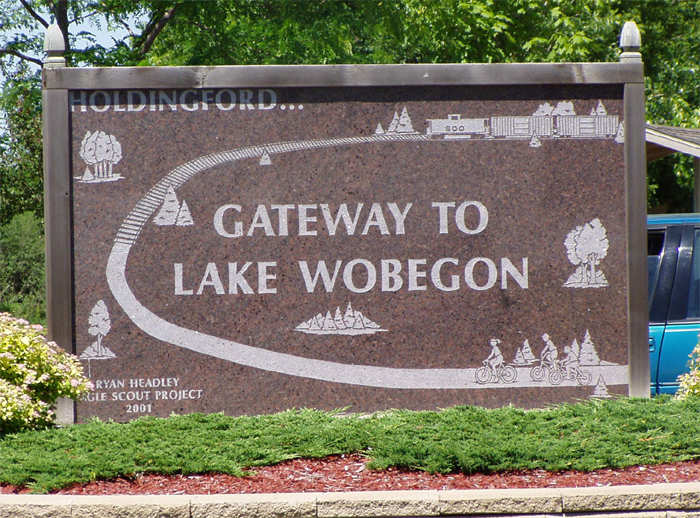


Characteristics and tone
The imagined Lake Wobegon evokes a compact Main Street, parsonages and Lutheran churches, winter cold, and a population that prides itself on modesty and competence. Keillor’s voice combines wry observation with storytelling cadence; his pieces often end with the memorable, oft-quoted line that the town is "where all the women are strong, all the men are good-looking, and all the children are above average." That mix of pride and self-deprecation is central to the town’s comic identity.
Recurring characters and motifs
- Local residents: pastors, schoolteachers, farmers, veterans, and shopkeepers who recur across episodes.
- Small-community rituals: church suppers, town meetings, school plays, and seasonal festivals.
- Themes: memory and change, generational continuity, plainspoken wisdom, and anxieties about modernity.
History and cultural influence
Lake Wobegon grew out of Keillor’s radio monologues and later appeared in books, stage pieces, and recordings. Over time it became a shorthand in American culture for an idealized, self-aware small town and spawned the popular phrase "Lake Wobegon effect," used informally to describe the tendency of people to overrate their abilities. The setting’s familiarity has also encouraged academic discussion, fan communities, and references in other media as an emblem of Midwestern storytelling.
Significance and distinctions
Although fictional, Lake Wobegon functions as a cultural mirror: it humorously reflects both pride in community bonds and the illusions communities create about themselves. Keillor’s creation stands alongside other American fictional towns as a literary device for exploring identity, memory, and the tensions between tradition and change.
Related articles
Author
AlegsaOnline.com Lake Wobegon — Garrison Keillor's fictional Minnesota town Leandro Alegsa
URL: https://en.alegsaonline.com/art/55591
Sources
- prairiehome.publicradio.org : A Prairie Home Companion Podcasts