
Labastide-Villefranche — commune in Pyrénées-Atlantiques, France
Labastide-Villefranche is a small rural commune in the Pyrénées-Atlantiques department of southwestern France, with medieval bastide origins, local agriculture, and cultural links to Béarn and Basque traditions.
Labastide-Villefranche is a small commune in the Pyrénées-Atlantiques department in southwestern France. As a French commune it is the basic unit of local government and typically combines a village nucleus with surrounding agricultural land. The name points to medieval origins: "labastide" indicates a planned or fortified settlement and "villefranche" suggests a chartered town with privileges intended to encourage inhabitants and commerce.
Image gallery
1 Image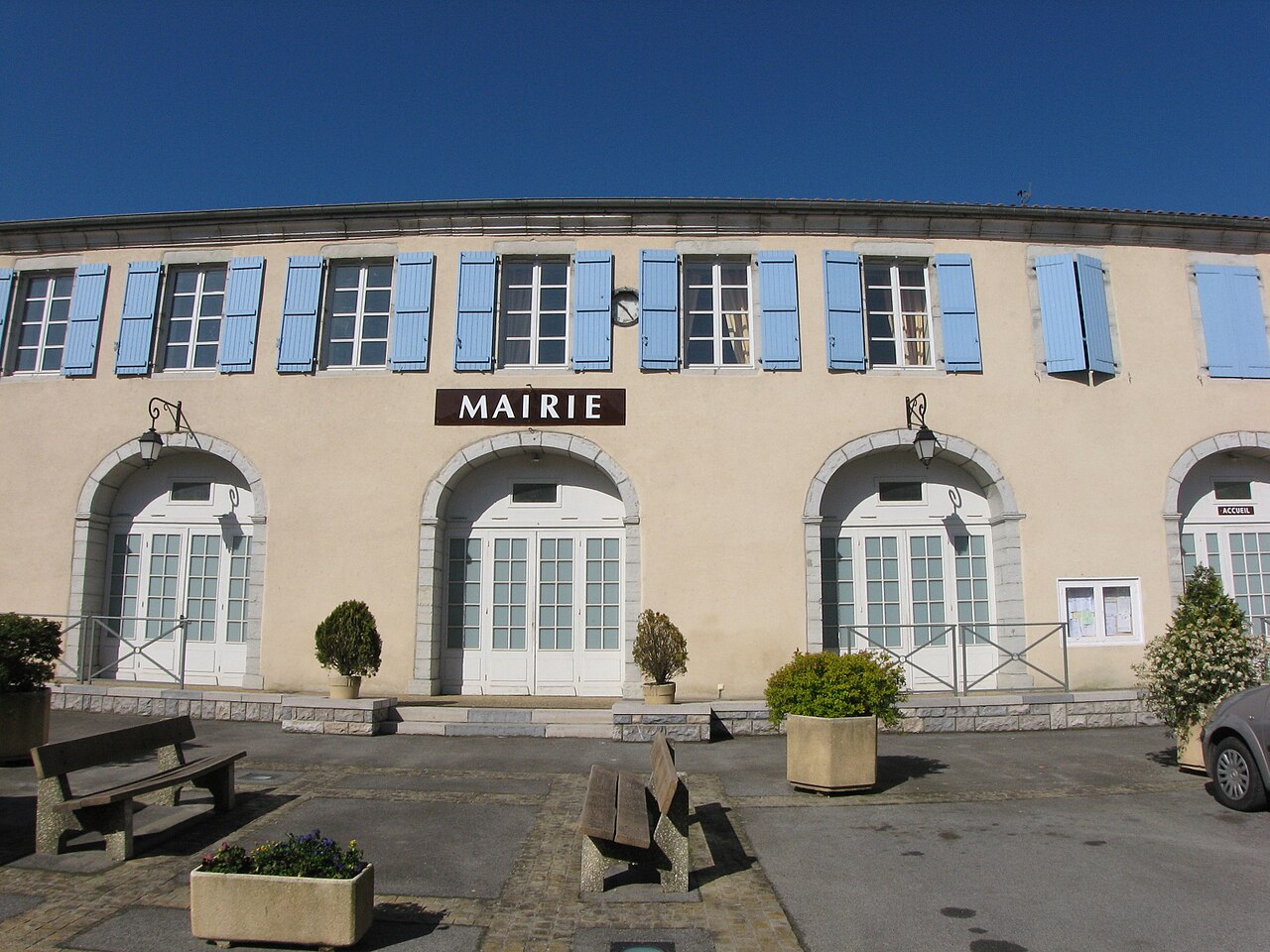
Location and landscape
The commune sits within a department that stretches from the Atlantic coast to the Pyrenees, so the immediate landscape combines rolling farmland, hedgerows and small woodlands with access to larger natural areas. Local roads connect the village to nearby market towns and regional transport links, making it part of a wider rural network.
History and built environment
Many settlements with the elements "bastide" and "villefranche" date from the later Middle Ages. In such places one often finds a compact village core, a church, traditional stone houses and traces of former defensive layouts or an organised street plan and marketplace. The historic fabric typically reflects local materials and regional building traditions.
Administration, economy and community life
The commune is governed by a mayor and municipal council in accordance with French law and commonly participates in an intercommunal structure that manages shared services. Economic activity is largely agricultural, complemented by small businesses, artisans and hospitality aimed at visitors. Community life revolves around local events, markets and parish or municipal facilities.
Culture, traditions and activities
- The area is influenced by the broader Pyrénées-Atlantiques cultural mix, which includes Béarnese and Basque elements; local festivals and cuisine reflect regional specialties.
- Outdoor activities such as walking, cycling and exploring nearby natural sites are common attractions for visitors seeking a rural base.
- Architectural interest typically includes the village church, traditional houses and any surviving marketplace or street pattern from its medieval origin.
For official administrative or up-to-date demographic data consult departmental resources or the commune's notices. General information on the department and national framework is available from regional authorities (department overview) and national sources (national context).
Related articles
Author
AlegsaOnline.com Labastide-Villefranche — commune in Pyrénées-Atlantiques, France Leandro Alegsa
URL: https://en.alegsaonline.com/art/55189