
Labatie-d'Andaure (commune in Ardèche, France)
Labatie-d'Andaure is a small rural commune in Ardèche, southern France, known for upland landscapes, woodland, traditional village life and outdoor recreation in the foothills of the Massif Central.
Overview
Labatie-d'Andaure is a small rural commune in the Ardèche département of southern France. As with other French communes it represents the lowest tier of local government and typically includes a main village and surrounding hamlets. The community is characteristic of upland Ardèche: low density settlement, mixed woodlands and agricultural plots, and a quiet everyday life tied to the land.
Image gallery
2 Images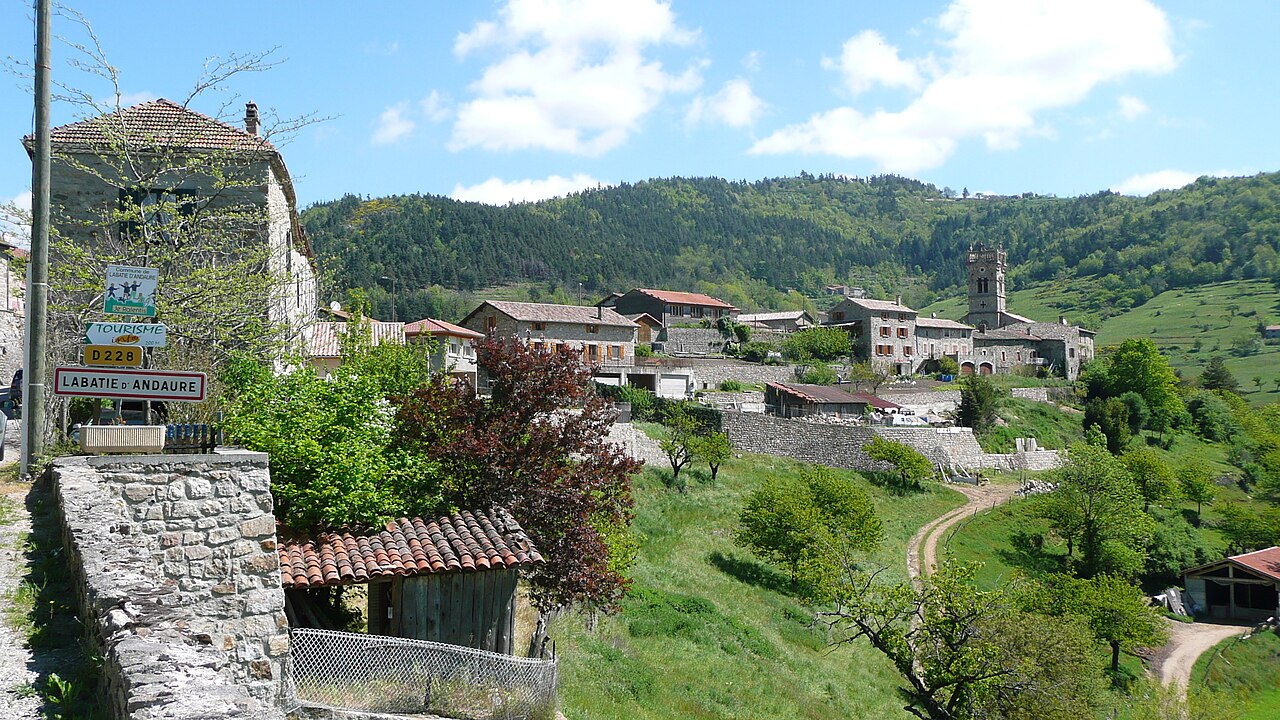

Geography and landscape
The territory occupies hill-and-valley terrain on the northern fringes of the Cévennes and the broader Massif Central. Landscapes combine chestnut and oak woodlands, pastures, small cultivated parcels and narrow valleys fed by local streams. Elevation changes and winding country roads create scenic viewpoints and pockets of natural habitat valued by walkers and naturalists.
History and name
The toponym appears to pair a built-place element, "Labatie," with a topographic qualifier, "Andaure," referencing a local valley or watercourse. Like many settlements in Ardèche it likely developed around medieval dwellings, rural agriculture and local routes; traces of older structures and traditional farm layouts persist in the built environment.
Economy, services and transport
Local economic activity is mainly rural: small-scale farming, forestry and seasonal tourism contribute to livelihoods. Services are modest and concentrated in nearby market towns; residents often travel to larger centres for administrative, health and commercial needs. Access is typically by departmental roads linking to regional routes and public transport is limited in frequency.
Culture, heritage and recreation
The commune preserves vernacular architecture, a parish church and field boundaries shaped by centuries of farming. Outdoor activities — walking, birdwatching, scenic drives and quiet village stays — are the main attractions. Visitors consult departmental and regional resources for practical information; examples include Ardèche cultural listings, départemental administrative pages and broader guides to southern France.
Practical notes
- Administration: governed by a mayor and municipal council under the French communal system.
- Population: small and dispersed; seasonal visitors increase activity in summer and school holidays.
- Visiting: suitable for travellers seeking rural quiet, walking routes and local heritage; check local notices and the municipal site for events and visitor information at the commune page.
Related articles
Author
AlegsaOnline.com Labatie-d'Andaure (commune in Ardèche, France) Leandro Alegsa
URL: https://en.alegsaonline.com/art/55190