
Argentine peso (ARS): overview, history and contemporary use
The Argentine peso (ISO code ARS) is Argentina's currency, subdivided into 100 centavos. This article summarizes its denominations, history of reforms, convertibility era, exchange-rate practices and everyday use.
Overview
The Argentine peso (ISO code ARS) is the official currency of Argentina and is conventionally written with the dollar sign ($) followed by the amount. It is subdivided into 100 centavos, though small centavo values are often little used in everyday commerce during periods of higher inflation. The issuing authority is the Banco Central de la República Argentina, which manages monetary policy and issues banknotes and coins.
Image gallery
7 Images


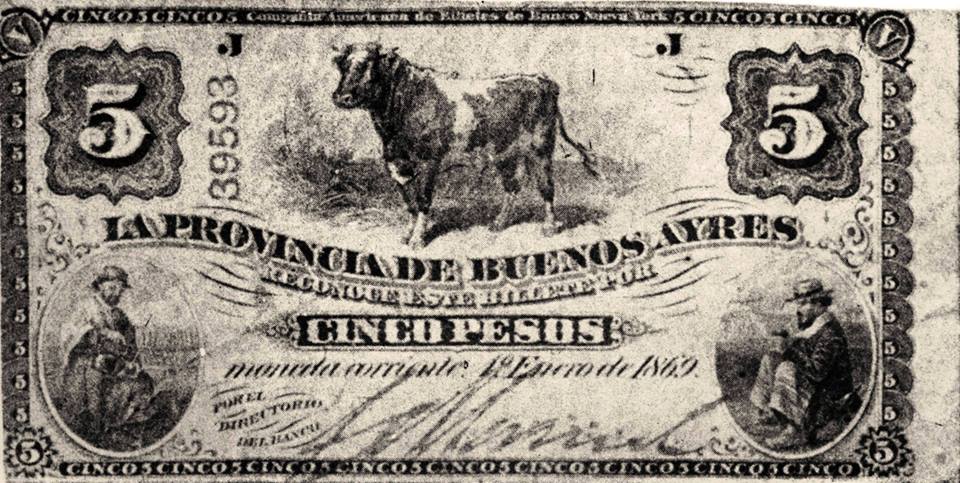


Denominations and design
Modern banknotes and coins show national symbols, notable historical figures and cultural imagery. Frequent redesigns have been used to improve security and to introduce higher denominations when inflation reduces the purchasing power of existing notes. Coins for small values remain part of the monetary system but their circulation and practical use vary with price levels and consumer habits.
History and major reforms
Argentina's monetary history includes several distinct currency units across the 20th and early 21st centuries. In the mid-1980s the austral replaced an older peso and was itself replaced in the early 1990s by a new peso introduced under a convertibility regime. The 1991 convertibility plan tied one peso to one U.S. dollar and aimed to control inflation through a currency board–like arrangement. That peg ended during the economic crisis of 2001–2002, after which the peso was allowed to float and experienced sharp devaluations and renewed inflationary pressures.
Convertibility era and aftermath
The convertibility period brought stability and a fixed exchange rate for about a decade, but it also limited monetary flexibility. Following the end of convertibility, fiscal and monetary adjustments, capital controls and recurring inflation episodes shaped subsequent policy. Since then, the peso has been subject to periodic depreciation against major foreign currencies and occasional episodes of rapid price increases.
Exchange rates and parallel markets
Argentina is notable for having multiple exchange-rate references in practice. In addition to the official rate set by authorities, there have frequently been parallel or informal rates used by individuals and businesses. These include a street or “blue” rate for cash dollars and market-based rates obtained through financial instruments such as the MEP and contado con liquidación operations. Such parallel rates reflect differences in access to foreign currency and regulatory conditions.
Everyday use and economic impact
The peso is used for wages, retail purchases, services and domestic contracts. For many Argentines, holding or pricing some savings and assets in U.S. dollars is common as a hedge against inflation. This dual use affects consumer behavior, contract terms and the operation of banks and financial markets. Inflation influences which denominations are practical for daily transactions and how frequently banknotes are redesigned or replaced.
Notable facts and references
- The symbol $ is shared with other peso currencies and the U.S. dollar; the ISO code ARS identifies Argentina's peso.
- Periods of reform and redenomination reflect attempts to stabilize prices; the convertibility era (early 1990s to 2001–2002) is a key episode in modern monetary history.
- For broader country context see Argentina and for current exchange-rate information consult reliable financial sources such as official publications and market reports at currency and exchange information.
Related articles
Author
AlegsaOnline.com Argentine peso (ARS): overview, history and contemporary use Leandro Alegsa
URL: https://en.alegsaonline.com/art/5473
Sources
- inflacionverdadera.com : PriceStats index
- lanacion.com.ar : La Argentina, con la cuarta mayor inflación del mundo
- indec.gov.ar : Instituto Nacional de Estadística y Censos