
Kupang Regency (Kabupaten Kupang), East Nusa Tenggara, Indonesia
Kupang Regency (Kabupaten Kupang) is an administrative regency in East Nusa Tenggara province of Indonesia on Timor island, comprising rural districts, coastal communities and islands with agriculture and fishing economies.
Overview
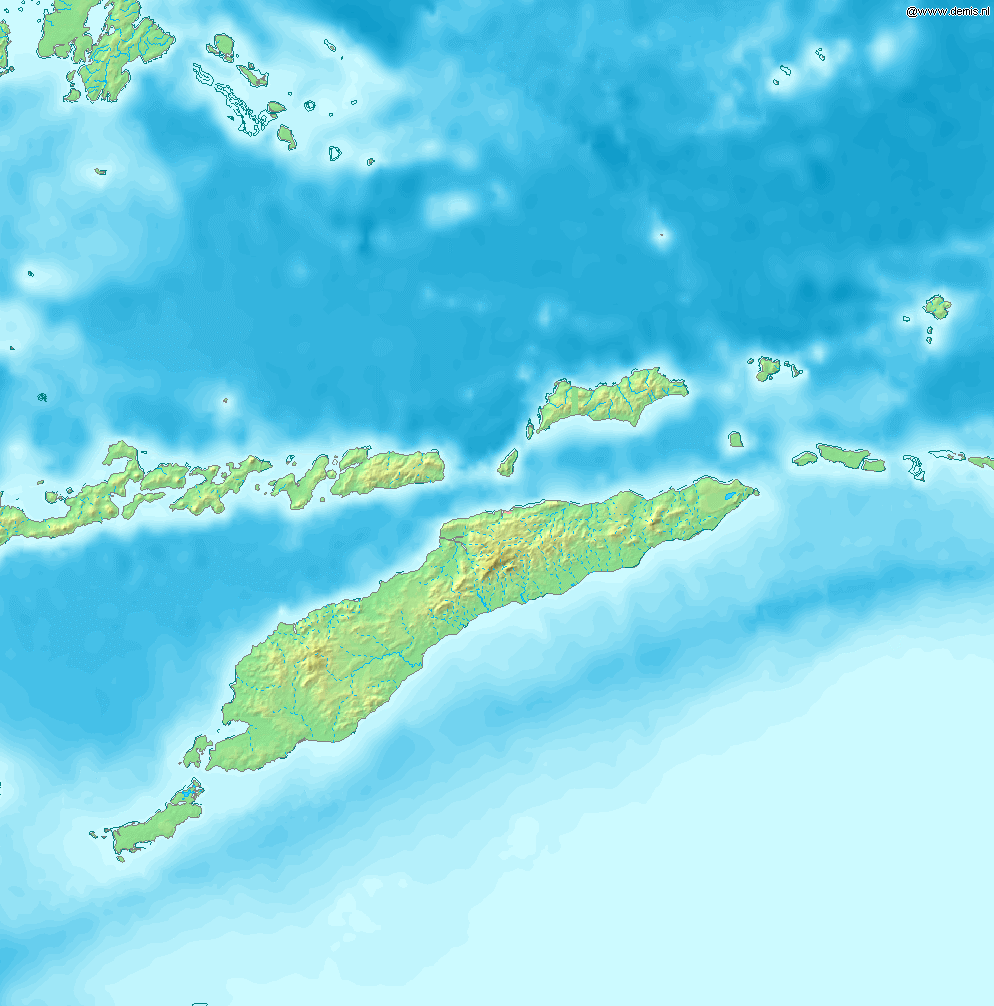
Kupang Regency is an Indonesian regency (locally Kabupaten) located in the western portion of Timor island within the East Nusa Tenggara province. It forms part of the national framework of local government in Indonesia and includes a mixture of inland districts, coastal settlements and smaller offshore islets. The regency is distinct from the nearby city of Kupang, which is administratively separate but closely connected economically and socially.
Image gallery
4 Images


Geography and administration
The landscape combines dry plains, limestone hills and coastal shorelines typical of the region. Climate tends toward a tropical savanna pattern with a pronounced dry season; water availability and soil conditions shape settlement and land use. Administratively, the regency is divided into several districts (kecamatan) that manage local services, rural development, and coastal affairs under provincial and national laws.
History and development
Human presence on Timor goes back many centuries and the area has been influenced by Austronesian and Papuan cultures, as well as by interactions with European colonial powers. Over time, local political structures adapted to colonial and then national Indonesian systems; the modern regency structure emerged following administrative reforms in the 20th century to provide local governance and development coordination.
Economy and society
Economic life in Kupang Regency is largely based on primary activities suited to its environment. Smallholder agriculture, pastoralism, artisanal fishing and small-scale trade support most communities. Local markets, traditional crafts and inter-island connections contribute to household incomes, while infrastructure and public services vary between coastal towns and more remote inland villages.
- Common economic activities: subsistence and cash-crop farming, fishing, livestock rearing, small commerce.
- Social features: diverse local languages, customary leadership, and Christian and indigenous traditions.
Tourism and notable facts
The regency offers natural and cultural attractions such as beaches, scenic coastal roads, traditional villages and local markets. Visitors commonly explore coastal scenery and community-based tourism initiatives rather than large resorts. Conservation issues, sustainable water use and livelihood diversification are ongoing priorities for planners and communities in the area.
Further reading
For administrative details, maps and recent planning documents consult regional government sources and provincial publications via the links provided above. Local studies and travel guides also describe everyday life, ecological settings and opportunities for responsible tourism in the regency.
Related articles
Author
AlegsaOnline.com Kupang Regency (Kabupaten Kupang), East Nusa Tenggara, Indonesia Leandro Alegsa
URL: https://en.alegsaonline.com/art/54643