
Kung Fu Panda (2008 film)
Kung Fu Panda is a 2008 computer-animated action-comedy from DreamWorks about Po, a clumsy panda who unexpectedly becomes a kung fu hero. The film spawned sequels, shorts, a holiday special and TV series.
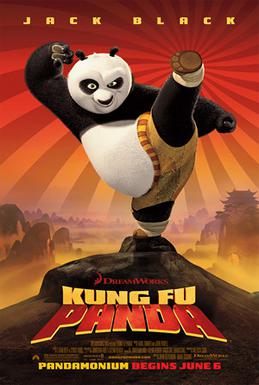
Kung Fu Panda is a 2008 computer-animated action-comedy produced by DreamWorks Animation and directed by John Stevenson and Mark Osborne. The story follows Po, a good-natured but awkward giant panda who idolizes kung fu and is unexpectedly chosen to fulfill an ancient prophecy. Blending broad humor, martial-arts action and an emotional undercurrent about self‑belief, the film established a popular family-oriented franchise.
Image gallery
4 Images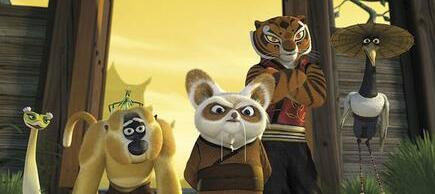


Plot and themes
At its heart the film is a hero's-journey tale: an unlikely protagonist must overcome self-doubt to assume a role he never expected. Themes include destiny versus choice, mentorship and found family. The comedy arises from Po's contrast with more disciplined kung fu masters and from the film's playful use of martial-arts cinema tropes, while dramatic moments explore identity and purpose.
Production and visual style
The movie combines Western animation techniques with visual and narrative influences drawn from Chinese art and classic kung fu films. Directors and animators consulted martial artists and studied traditional brushwork to shape the film's action and backgrounds. The production emphasized expressive character animation and stylized fight choreography to make martial arts readable and entertaining for a wide audience.
Main characters and voice cast
- Po — a food-loving, well-meaning panda voiced by Jack Black.
- Master Shifu — a red panda who trains Po; a stern mentor figure.
- The Furious Five — Tigress, Monkey, Mantis, Viper and Crane, skilled kung fu warriors and allies.
- Tai Lung — the film’s antagonist, a powerful foe whose return threatens the valley.
Reception, sequels and related media
The original film received strong reviews for its animation, voice performances and heart, and it performed well at the box office. Its success led to feature sequels, notably Kung Fu Panda 2 and a later third installment, as well as several brief animated shorts and spin-offs collected as short films. A televised holiday special and other promotional programs expanded the universe, including a family-oriented TV series and a seasonal program often described as a Christmas or holiday special (holiday special).
Beyond commercial impact, the film is often noted for making martial-arts storytelling accessible to children while honoring some aesthetic elements of Chinese cinema. It remains a frequently cited example of how animated family films can mix action, comedy and emotional stakes to create enduring characters and a long-running franchise.
Related articles
Author
AlegsaOnline.com Kung Fu Panda (2008 film) Leandro Alegsa
URL: https://en.alegsaonline.com/art/54612