
Argenteuil-sur-Armançon (commune in Yonne, France)
Argenteuil-sur-Armançon is a small French commune in the Yonne department, situated on the Armançon river in the Bourgogne-Franche-Comté region. Rural character, local governance, and riverside landscape define it.
Overview
Argenteuil-sur-Armançon is a commune in the Yonne department of central France, located in the larger Bourgogne-Franche-Comté region. Its name indicates a settlement beside the Armançon river: the element "sur-Armançon" identifies the commune's riverside position and distinguishes it from other places called Argenteuil. As with other French communes, it functions as the basic unit of local government.
Image gallery
2 Images
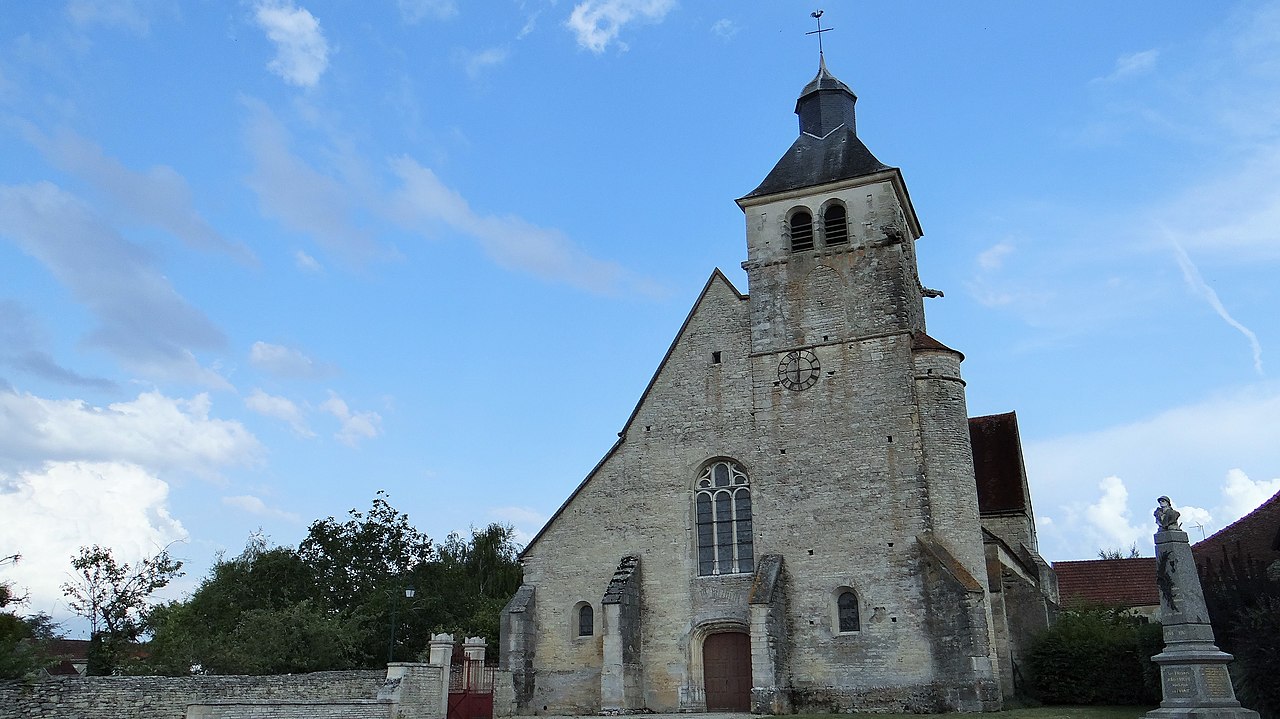
Geography and characteristics
The village occupies a rural landscape shaped by the Armançon valley, with a mix of farmland, hedgerows and small woodland. The river has historically influenced local land use, irrigation and milling. The area is typical of Yonne's rolling countryside: quiet roads, farming plots and scattered hamlets rather than dense urban development.
History and development
Like many settlements in the region, Argenteuil-sur-Armançon developed around natural resources and communication routes provided by the river. Its history is rooted in agricultural and local craft economies, and it retains elements of traditional rural architecture and village layout. Over time the commune adapted to changing agricultural practices and the wider administrative reforms of France.
Administration, economy and daily life
Governance is exercised by a municipal council and mayor responsible for local services, planning and community life. The local economy is primarily agricultural, supplemented by small businesses and services catering to residents. Daily life in the commune typically revolves around farming seasons, local associations and nearby market towns.
Attractions, activities and notable facts
- Riverside walks, fishing and nature observation along the Armançon.
- Traditional village architecture and quiet rural character attractive to visitors seeking countryside stays.
- Proximity to wider departmental services in Yonne and the cultural landscape of Bourgogne-Franche-Comté.
Practical information is typically found through departmental or regional portals; for local administrative details and current events consult municipal sources or tourism pages such as local tourism information.
Related articles
Author
AlegsaOnline.com Argenteuil-sur-Armançon (commune in Yonne, France) Leandro Alegsa
URL: https://en.alegsaonline.com/art/5459
Sources
- insee.fr : INSEE