
Kosovo Liberation Army (UÇK)
Armed Albanian movement active in Kosovo in the 1990s that led an insurgency against Yugoslav/Serbian forces and played a central role in the 1998–99 conflict and its aftermath.
The Kosovo Liberation Army (Albanian: Ushtria Çlirimtare e Kosovës, UÇK), commonly known as the KLA in English sources, was an ethnic Albanian armed movement that emerged in the 1990s in the Serbian province of Kosovo. It organized guerrilla operations against Yugoslav and Serbian security forces and sought to end Serbian rule and achieve greater rights or independence for Kosovo’s majority Albanian population.
Image gallery
10 Images


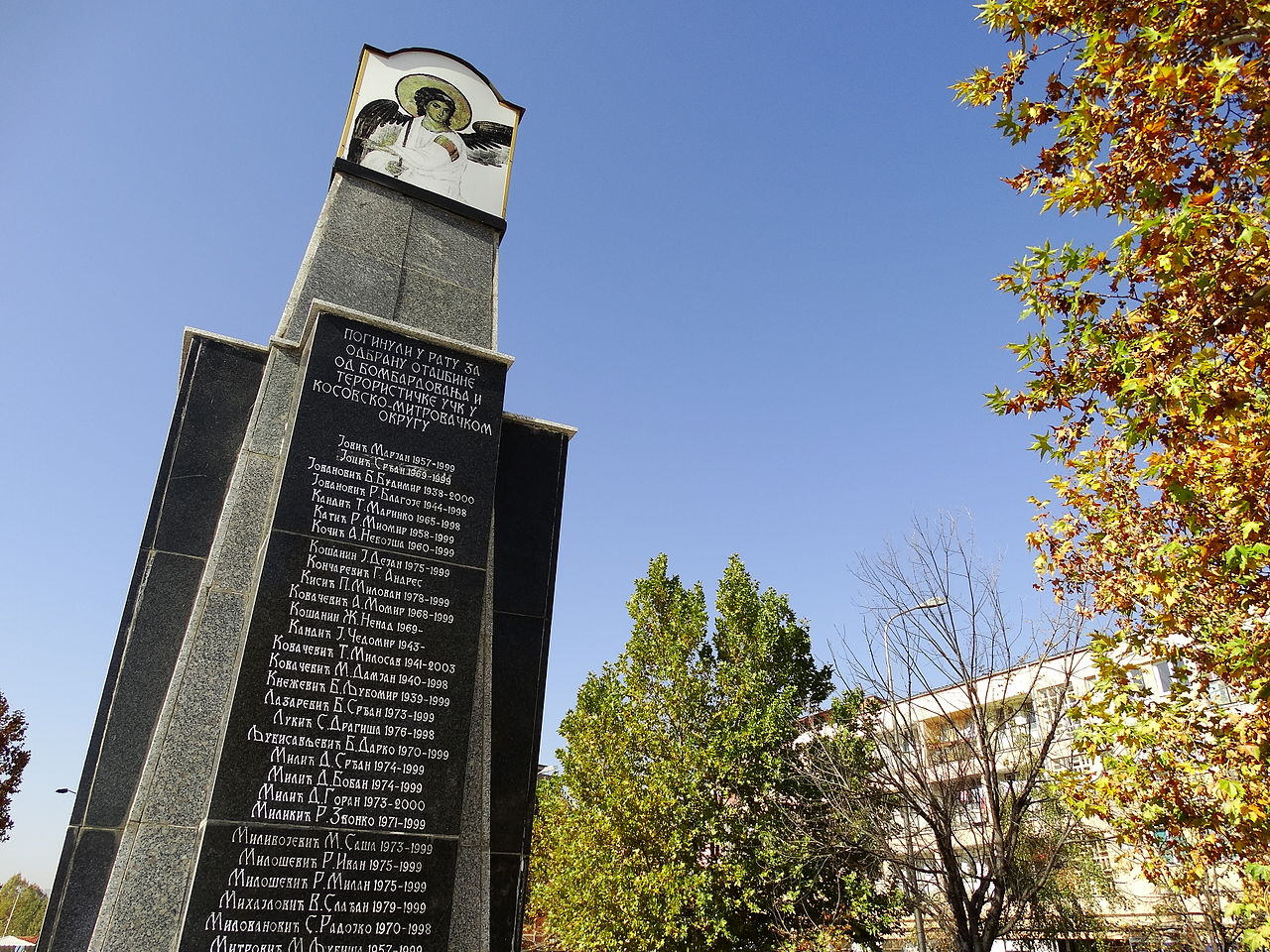
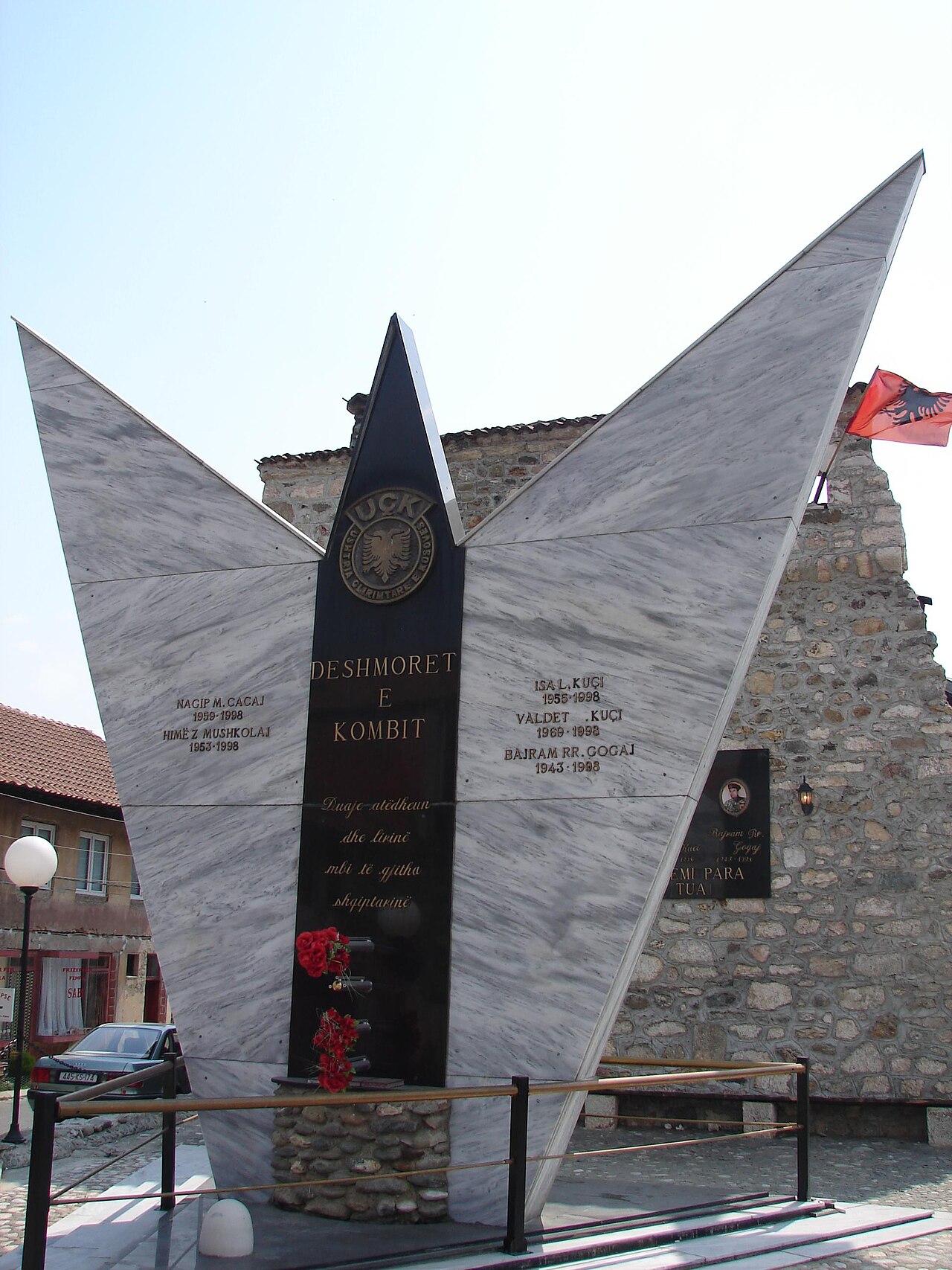

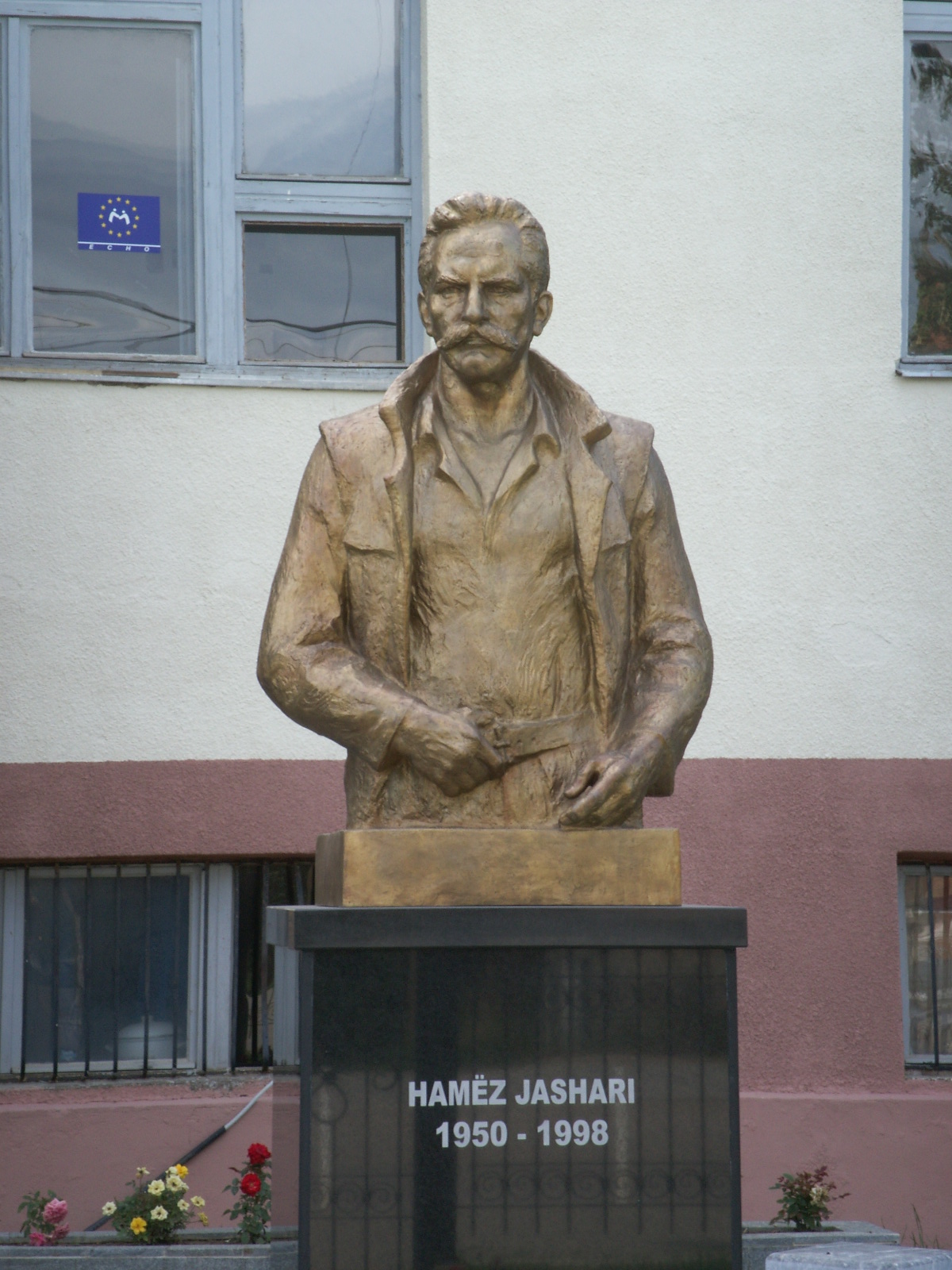


Characteristics and organization
The KLA began as a loose network of local cells that coordinated attacks, ambushes and sabotage. Over time it developed a more formal structure with regional brigades, field commanders and political wings. Its fighters were mainly volunteers drawn from Kosovo and the Albanian diaspora, and its tactics combined rural guerrilla warfare with small-scale urban operations. The group lacked the heavy weapons of state militaries and relied on mobility, local support and knowledge of the terrain.
History and role in the 1998–99 conflict
The movement rose to prominence in the late 1990s as tensions between Kosovo Albanians and Serbian authorities escalated following the revocation of Kosovo’s autonomous status in the late 1980s. Open hostilities intensified in 1998 and peaked in 1999, when a campaign of repression and mass displacement of civilians prompted international concern. NATO launched an aerial campaign against Yugoslav targets in spring 1999; by the end of that campaign Yugoslav forces withdrew from Kosovo and the province came under international administration.
After the conflict the KLA declared disarmament under international supervision. Many former fighters entered civilian life, political movements, or new security structures created under United Nations administration. Some leaders became prominent politicians in Kosovo’s post-war institutions.
Controversies and legacy
The KLA’s legacy is contested. Supporters view it as a liberation movement that resisted repression and helped secure Kosovo’s autonomy and eventual declaration of independence. Critics point to allegations of abuses, forced expulsions and links to organized crime. International inquiries and courts have investigated alleged crimes committed during and after the conflict; several prominent former KLA figures later faced legal proceedings or charges.
Today the KLA remains an important symbol in Kosovo’s national narrative and a subject of study for those examining guerrilla movements, post‑conflict transitions and the challenges of accountability after ethnic and territorial conflicts.
Related articles
Author
AlegsaOnline.com Kosovo Liberation Army (UÇK) Leandro Alegsa
URL: https://en.alegsaonline.com/art/54327