
Kriegsmarine: Germany's Navy, 1919–1945
The Kriegsmarine was the naval force of Germany between 1919 and 1945, succeeding the Imperial Navy and serving as one branch of the Wehrmacht. Overview, organization, campaigns, notable ships, and legacy.
The Kriegsmarine was the seagoing military force of Germany from the aftermath of World War I through the end of World War II. It evolved from the postwar Navy maintained by the Weimar Republic and was formally renamed and expanded under Nazi Germany. Replacing the Imperial German Navy of the First World War, sometimes referred to as the Imperial German Navy, the Kriegsmarine became one of the three main services of the armed forces, the Wehrmacht.
Image gallery
10 Images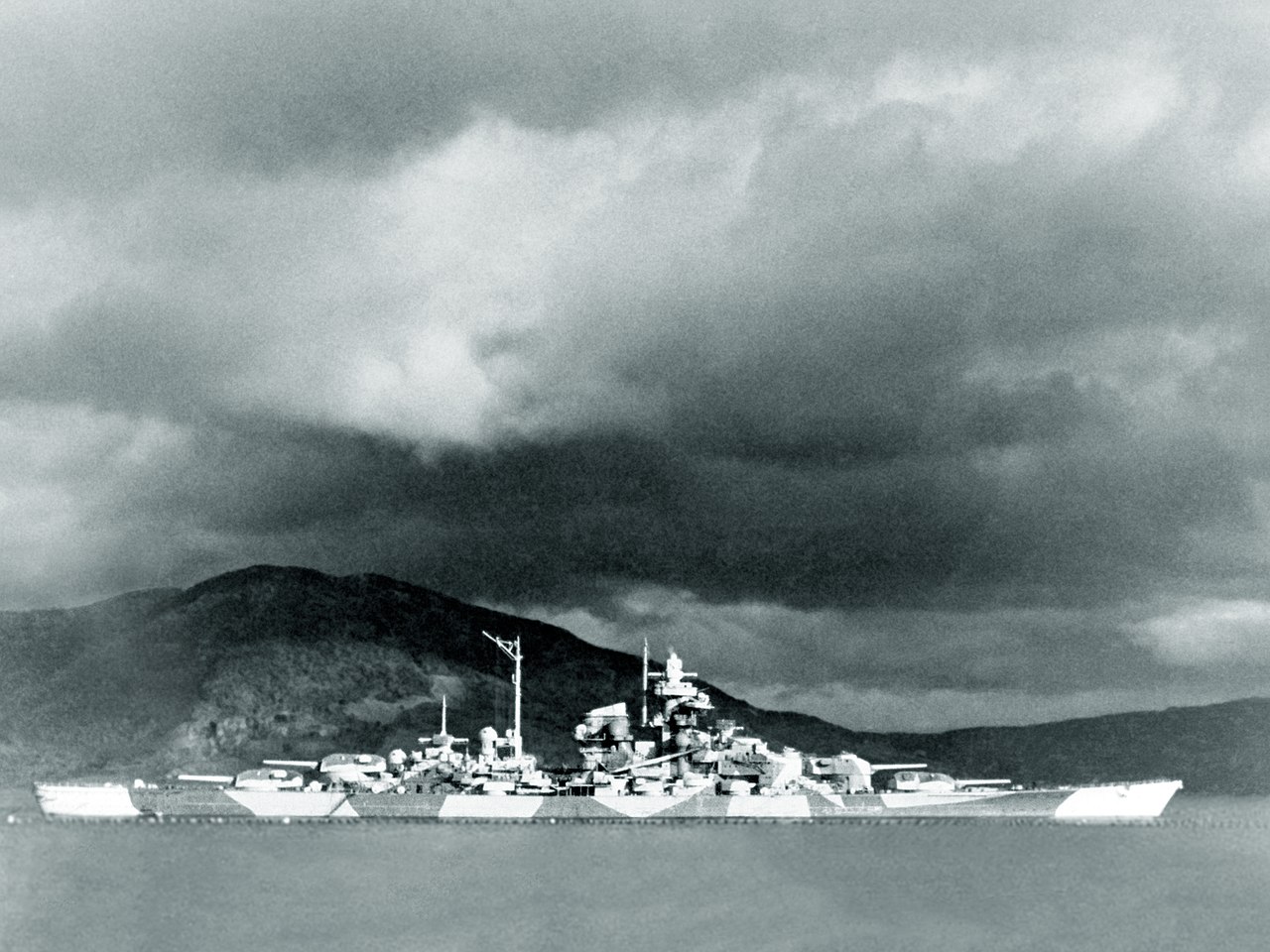



Origins and development
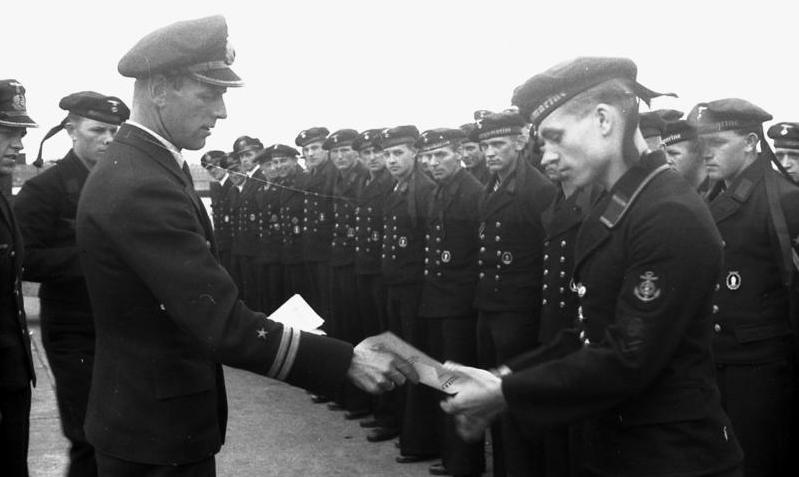
After 1918 Germany retained a small navy under the name Reichsmarine. Constraints imposed by the Treaty of Versailles limited ships, weapons and personnel. During the 1930s, rearmament policies increased tonnage and technical renewal. In 1935 the service was reorganized and renamed the Kriegsmarine; its expansion emphasized submarines, modern cruisers and a renewed surface fleet meant to project power and protect maritime trade routes.
Structure, ships and equipment
The Kriegsmarine operated a range of ship types and support units. Principal categories included:
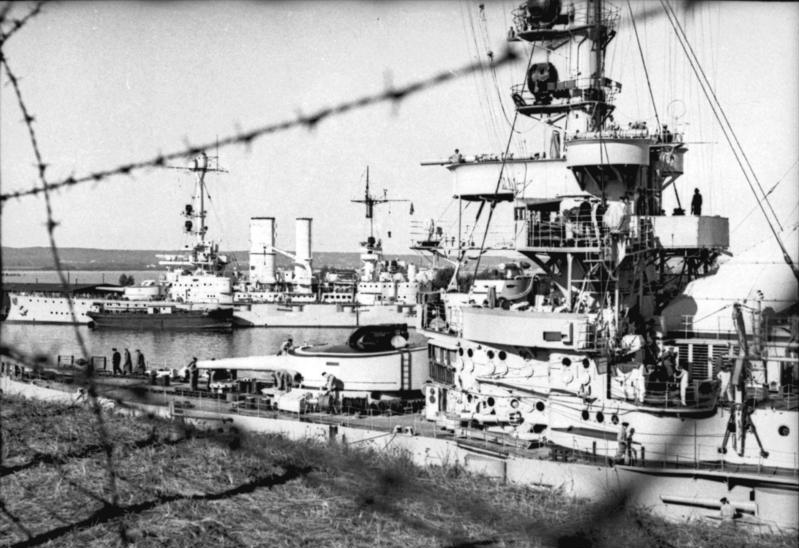
- Capital ships: battleships and pocket battleships intended for fleet actions and commerce raiding.
- Cruisers and destroyers: for convoy escort, patrol and fleet screening.
- U-boats (submarines): the principal instrument of the commerce war, operating in coordinated groups.
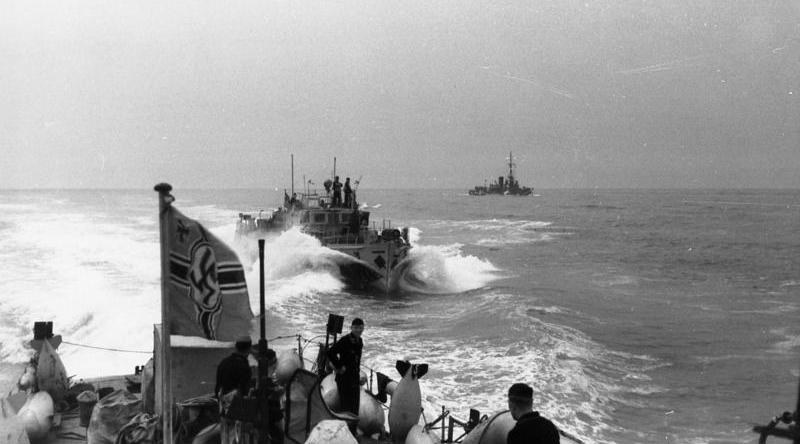
- Torpedo boats, minesweepers and auxiliary vessels: coastal protection and logistics.
- Naval aviation and coastal artillery: reconnaissance, anti-ship strike and shore defense.
Operational history and notable actions
During World War II the Kriegsmarine took part in major naval operations across the Atlantic, Arctic, Baltic and Mediterranean. German U-boats mounted long campaigns against Allied merchant shipping, often coordinated as "wolfpacks." Surface units engaged in commerce raiding and fought in notable encounters, including actions involving ships such as the Bismarck, Tirpitz and Admiral Graf Spee. Coastal operations supported invasions and evacuations, while mine warfare and convoy interdiction shaped maritime supply lines.
Legacy and distinctions
The Kriegsmarine's conduct and tactics—especially submarine warfare—had lasting effects on naval strategy and international maritime law. By 1945 most of its major ships had been sunk, scuttled or seized; many U-boat wrecks remain on the seabed. After the war, Germany rebuilt a naval service within new political frameworks, and the history of the Kriegsmarine is studied for its technical achievements, operational lessons and the ethical questions surrounding wartime naval conduct.
Questions and answers
Q: What was the Kriegsmarine?
A: The Kriegsmarine was the Navy of the Weimar Republic and Nazi Germany from 1919 to 1945.
Q: What did it replace?
A: The Kriegsmarine replaced the Imperial German Navy of World War I and the inter-war Reichsmarine.
Q: What were the three official branches of the Wehrmacht?
A: The three official branches of the Wehrmacht were the Kriegsmarine, the army and the air force.
Q: When was the Kriegsmarine established?
A: The Kriegsmarine was established in 1935.
Q: Who was in charge of the Kriegsmarine during Nazi Germany?
A: The Kriegsmarine was under the control of Nazi Germany during World War II.
Q: What role did the Kriegsmarine play in Nazi Germany's armed forces?
A: The Kriegsmarine was one of the three official branches of the Wehrmacht, the armed forces of Nazi Germany.
Q: When did the Kriegsmarine cease to exist?
A: The Kriegsmarine ceased to exist at the end of World War II in 1945.
Related articles
Author
AlegsaOnline.com Kriegsmarine: Germany's Navy, 1919–1945 Leandro Alegsa
URL: https://en.alegsaonline.com/art/54447