
Emperor Saga
Emperor Saga (785–842) was the 52nd emperor of Japan, ruling 809–823. His reign is noted for resolving the Kusuko Incident, patronage of arts and Buddhism, and for creating the early Minamoto clan.
Emperor Saga (嵯峨天皇, 8 February 785–24 August 842) was the 52nd sovereign in the traditional sequence of Japanese rulers. He ascended the throne in 809 and formally retired in 823. Saga's reign took place during the early Heian period, a time when the imperial court in Heian-kyō (modern Kyoto) consolidated political institutions and fostered literary and religious culture in Japan.
Image gallery
3 Images

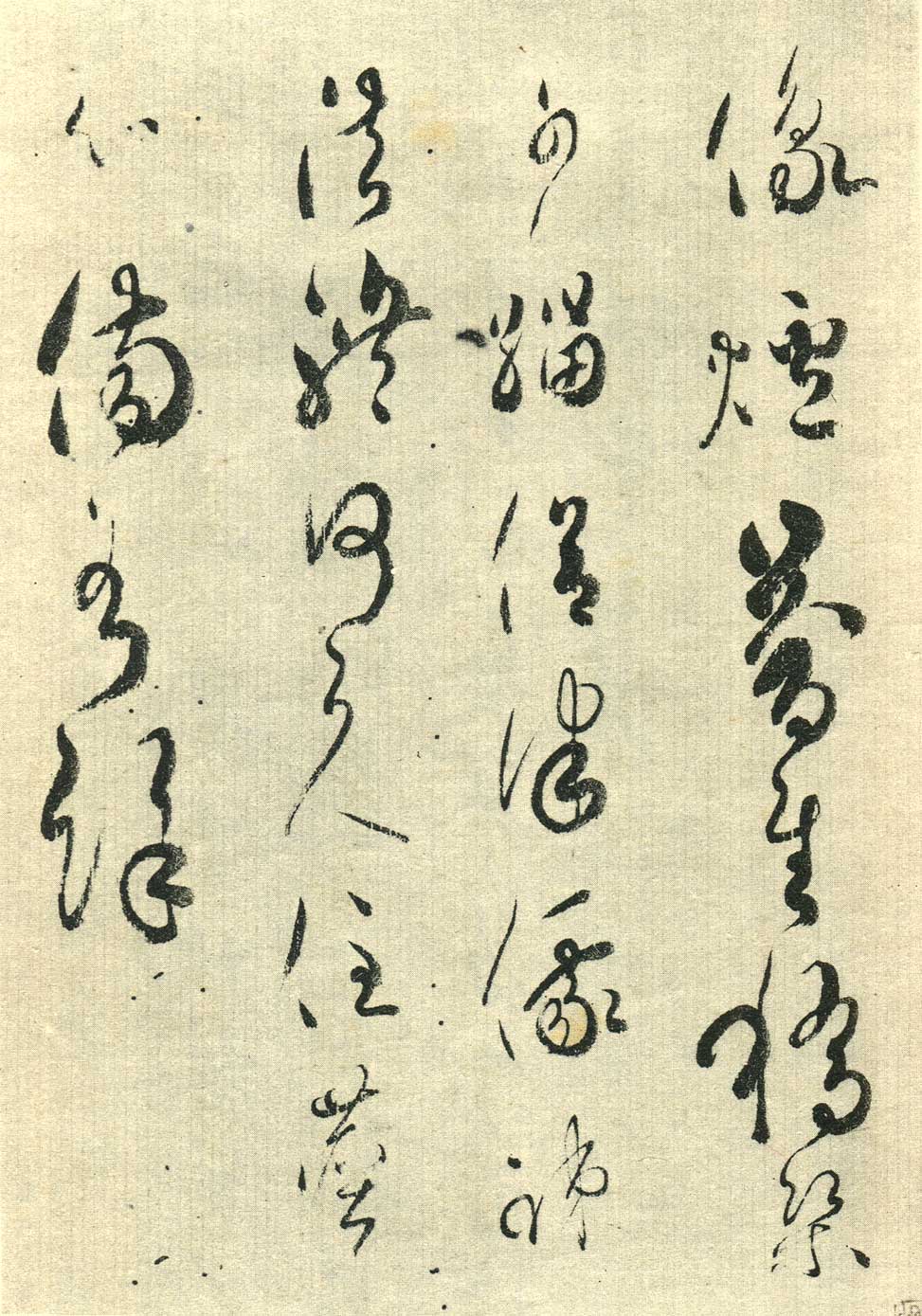
Reign and political events
Saga succeeded his elder brother and soon faced a serious challenge to central authority known as the Kusuko Incident (810), a power struggle that involved the retired emperor and court factions. Saga's government suppressed the uprising and reasserted control over court appointments and provincial administration. He later abdicated in 823 in favour of another member of the imperial family but continued to exercise influence behind the scenes, a common practice of the era.
Cultural patronage and religion
The emperor is remembered as a patron of the arts and letters. His court supported the composition of poetry in both Chinese and Japanese styles, calligraphy, and the copying of Buddhist texts. Saga maintained ties with prominent religious figures of the time and is often associated with state support for early esoteric Buddhist practice. He is also traditionally credited with popularizing tea consumption at court, a practice that later became culturally significant in Japan.
Legacy and lineage
One concrete outcome of Saga's policy was the granting of the surname Minamoto to a number of imperial princes who were removed from the line of succession. These grants helped create branches of the imperial family that later became powerful aristocratic clans. His reign is thus important both for cultural developments and for shaping aristocratic genealogies.
Key points
- 52nd emperor of Japan, reigned 809–823.
- Successfully handled the Kusuko Incident (810), strengthening court authority.
- Patron of poetry, calligraphy, and Buddhist institutions.
- Granted the Minamoto surname to imperial princes, influencing later clan politics.
Saga's reign is often seen as a bridge between the formative reforms of his predecessors and the flourishing court culture of later Heian rulers. His actions left both cultural and political marks on the emerging medieval order of Japan.
Questions and answers
Q: Who was Emperor Saga?
A: Emperor Saga, also known as Saga-tennō, was the 52nd emperor of Japan according to the traditional order of succession.
Q: When was Emperor Saga born and when did he die?
A: Emperor Saga was born on 8 February 785 and died on 24 August 842.
Q: How long did Emperor Saga's reign last?
A: Emperor Saga's reign lasted from 809 to 823.
Q: What is the traditional order of succession in Japan?
A: The traditional order of succession in Japan refers to the sequence of Emperors in Japan's history.
Q: What was Emperor Saga known for during his reign?
A: There is no information available on what Emperor Saga was known for during his reign, although it is likely that he was involved in governance and other traditional duties of an emperor.
Q: Did Emperor Saga accomplish any notable achievements during his reign?
A: There is no information available on any notable achievements accomplished by Emperor Saga during his reign.
Q: How is Emperor Saga remembered in Japanese history?
A: Emperor Saga is remembered as the 52nd emperor of Japan, according to the traditional order of succession.
Related articles
Author
AlegsaOnline.com Emperor Saga Leandro Alegsa
URL: https://en.alegsaonline.com/art/118519
Sources
- kunaicho.go.jp : 嵯峨天皇 (52)
- books.google.com : Annales des empereurs du Japon, pp. 97-102
- books.google.com : Gukanshō, pp. 280-282
- books.google.com : p. 281
- kunaicho.go.jp : Ceremony of Accession (Sokui-no-Rei)
- books.google.com : p. 282