
Korean Empire (Daehan Jeguk), 1897–1910
The Korean Empire (1897–1910), proclaimed by King Gojong as Daehan Jeguk, was Korea's final unified independent state; it pursued modernization and sovereignty before losing independence to Japan.
Overview
The Korean Empire, proclaimed in 1897 by King Gojong, is commonly known in Korean as Daehan Jeguk and in classical Chinese characters as 大韓帝國. It existed from 1897 to 1910 and represents the last period in which the Korean peninsula was governed as a single, independent polity before full annexation by Japan. The declaration of empire was intended to assert equal status with neighboring monarchies and to signal a break with the earlier tributary relationship with Qing China, a change that followed the upheavals of the 1890s and the end of Korea's formal vassalage to the Chinese court.
Image gallery
10 Images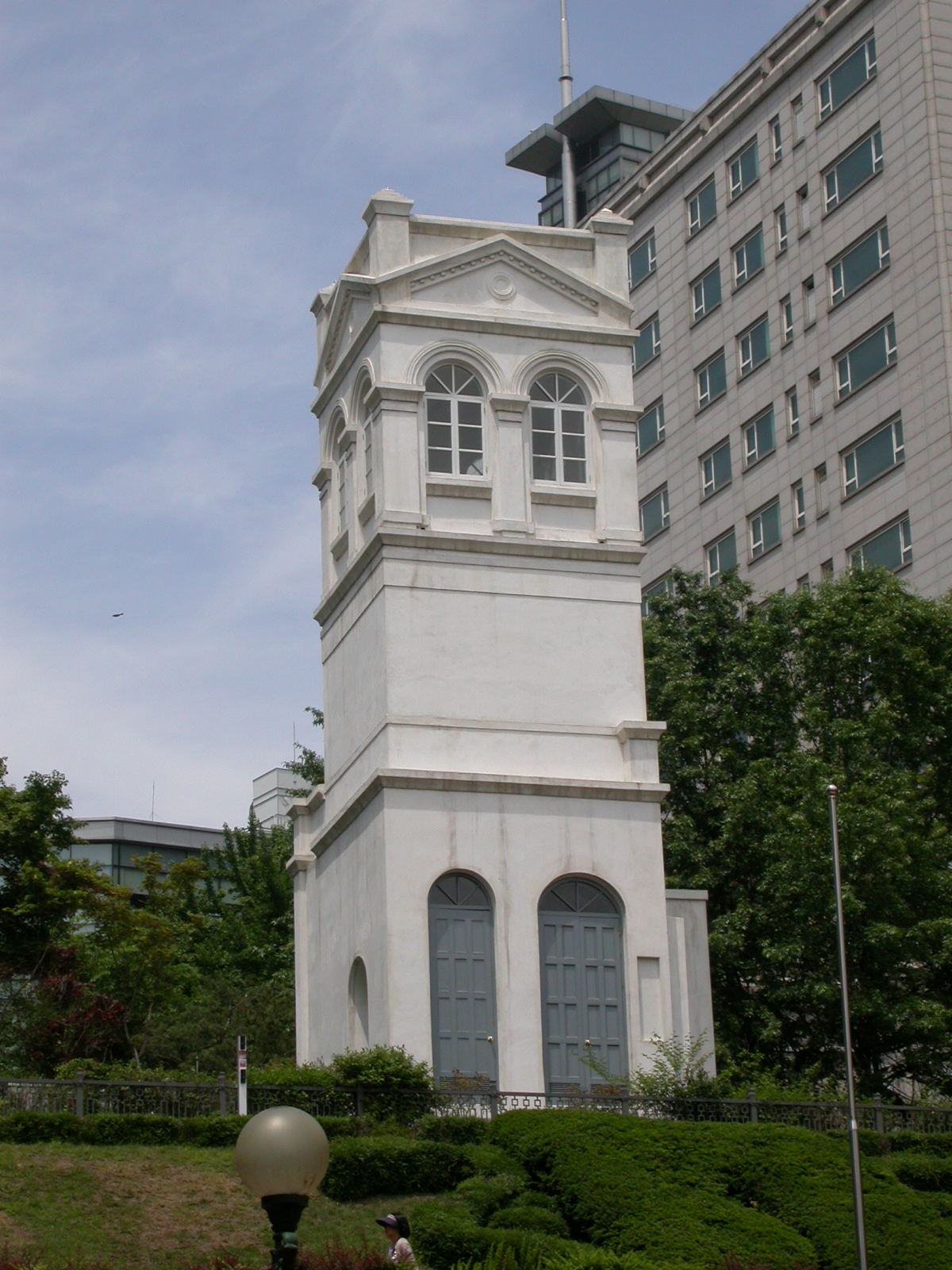


Government, reforms, and society
Under the new imperial title, the court introduced administrative, military, legal, and economic reforms designed to modernize the state and strengthen sovereignty. Efforts included reorganizing ministries, creating new ministries and offices modeled on foreign systems, establishing modern postal and monetary systems, and promoting Western-style schools. These measures were uneven in success but reflect a sustained effort to adapt institutions to the changing international environment.
- Administrative reforms and centralization
- Military reorganization and attempts to build a modern army
- Legal and educational modernization, including schools and civil service changes
- Infrastructure initiatives such as postal, telegraph, and currency reforms
International context and decline
The Korean Empire emerged in a period of intense regional competition. The defeat of Qing China in the First Sino-Japanese War weakened Chinese suzerainty and opened the peninsula to greater foreign influence. Earlier tributary arrangements with the Qing are often described with the term Chinese tributary state, but after 1895 Korean leaders sought to assert full independence. Rivalry between larger powers — notably Japan and Russia — reduced the room for maneuver available to the imperial government and ultimately led to Japan establishing a protectorate over Korea by treaty in the early 1900s and full annexation in 1910 (annexation by Japan).
Legacy and significance
The brief imperial period is significant for its symbolic rejection of vassal status and for concrete attempts to modernize society and state institutions. While the project of sovereign state-building was cut short by foreign domination, many reforms and cultural shifts from this era influenced later political movements and the national memory of independence. The loss of sovereignty in 1910 led to a long colonial period, followed by liberation in 1945 and the subsequent division of the peninsula after the conflict of the early 1950s (Korean War), events that reshaped East Asian politics for the remainder of the twentieth century.
Notable facts and distinctions
Although the empire lasted only a little over a decade, it represented a distinct phase between the late Joseon dynasty and the period of Japanese rule. The imperial proclamation and reform efforts are often grouped under the reign era names and are remembered for both their aspirations to independence and the constraints imposed by great-power politics. For readers seeking primary documents or specialist studies, consult dedicated histories and archival collections where available, and follow institutional guides such as those listed by major libraries and research centers (further context on Korea).
Questions and answers
Q: What was the Korean Empire?
A: The Korean Empire was the last time Korea was unified and independent, lasting between 1897 and 1910.
Q: When did Korea become a Chinese tributary state?
A: Korea was a Chinese tributary state until the end of the First Sino-Japanese War.
Q: Who annexed Korea in 1910?
A: Japan annexed Korea in 1910.
Q: How long was Korea a Japanese colony?
A: Korea was a Japanese colony from 1910 until 1945.
Q: When did Korea split?
A: Korea split after the Korean War.
Q: Was the Korean Empire the first time Korea was unified and independent?
A: No, the Korean Empire was the last time Korea was unified and independent.
Q: What languages are used to write the name Korean Empire?
A: The name Korean Empire is written in Hangul (Korean script) as 대한제국 and in Hanja (Chinese characters) as 大韓帝國.
Related articles
Author
AlegsaOnline.com Korean Empire (Daehan Jeguk), 1897–1910 Leandro Alegsa
URL: https://en.alegsaonline.com/art/54282