
Komoé River — a West African river flowing through Burkina Faso and Ivory Coast
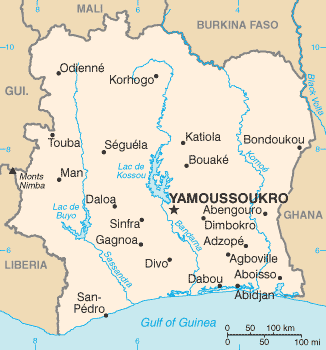
The Komoé River rises in Burkina Faso and flows south to the Gulf of Guinea through Comoé National Park in Ivory Coast. It shapes local ecosystems, supports livelihoods, and faces seasonal and conservation challenges.
Overview
The Komoé River, sometimes written Comoé, is a major rain-fed watercourse in West Africa. It rises in the highlands of what is today Burkina Faso and flows generally southward into present-day Ivory Coast, eventually reaching the Gulf of Guinea. The river is an important geographical feature for both countries and is closely associated with the protected landscapes it crosses.
Image gallery
4 Images


Course and characteristics
The Komoé follows a largely seasonal regime typical of Sahelian and Sudanian rivers: high flows in the rainy season and much-reduced discharge during the dry months. Along its course the river shapes floodplains, gallery forests and wetlands that contrast with surrounding savanna and agricultural land. Its lower reaches approach the coastal plain where the river meets the sea.
Ecology and conservation
One of the river's best-known settings is Comoé National Park in Ivory Coast, a protected area that owes much of its biodiversity to the Komoé's seasonal floods and permanent pools. These habitats support fish, waterbirds, hippos, and diverse plant communities. Conservation concerns include changing rainfall patterns, human encroachment, and competition for water resources from agriculture.
Human uses and significance
Communities along the Komoé depend on it for fishing, small-scale irrigation, livestock watering, and domestic needs. The river also has cultural importance for local populations and has influenced settlement patterns. Navigation is generally limited to small craft and is affected by seasonal depth variations.
Notable facts and distinctions
- The name appears in several spellings and local languages; Komoé and Comoé are common variants.
- The river links upland water sources in Burkina Faso to coastal ecosystems in Ivory Coast, creating a corridor of ecological and human activity.
- For further general reference see Komoé River and regional resources on West Africa.
Efforts to balance development, agriculture and conservation along the Komoé continue to be a focus for national and international stakeholders working to sustain both human livelihoods and the river's ecological functions.
Related articles
Author
AlegsaOnline.com Komoé River — a West African river flowing through Burkina Faso and Ivory Coast Leandro Alegsa
URL: https://en.alegsaonline.com/art/54190