
Koobi Fora: East Turkana paleoanthropological and geological region
Koobi Fora is a fossil-rich ridge on Lake Turkana’s eastern shore in northern Kenya, famed for Pliocene–Pleistocene deposits, abundant mammal and hominin remains, and long-term research and conservation efforts.
Overview
Koobi Fora refers to an erosion-prone ridge and its surrounding landscape on the eastern shore of Lake Turkana in northern Kenya. Often called East Turkana, the area comprises a series of exposed sedimentary layers that preserve a long span of African environmental and evolutionary history. The name applies both to the outcrop itself and to the broader region where paleontological fieldwork and archaeological surveying take place.
Image gallery
4 Images

Geology and landscape
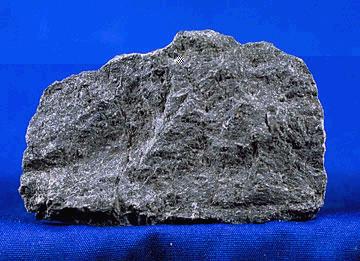
The ridge is an exposure of mainly Pliocene and Pleistocene deposits. These sediments include a variety of matrix types such as claystones and other sediments, siltstones, and sandstones. Repeated cycles of deposition and later erosion by ephemeral streams have carved the sediments into a classic badlands-style topography. The exposed layers allow stratigraphic correlation across sites, which helps date fossils and reconstruct changing environments over millions of years.
Paleontology and archaeology
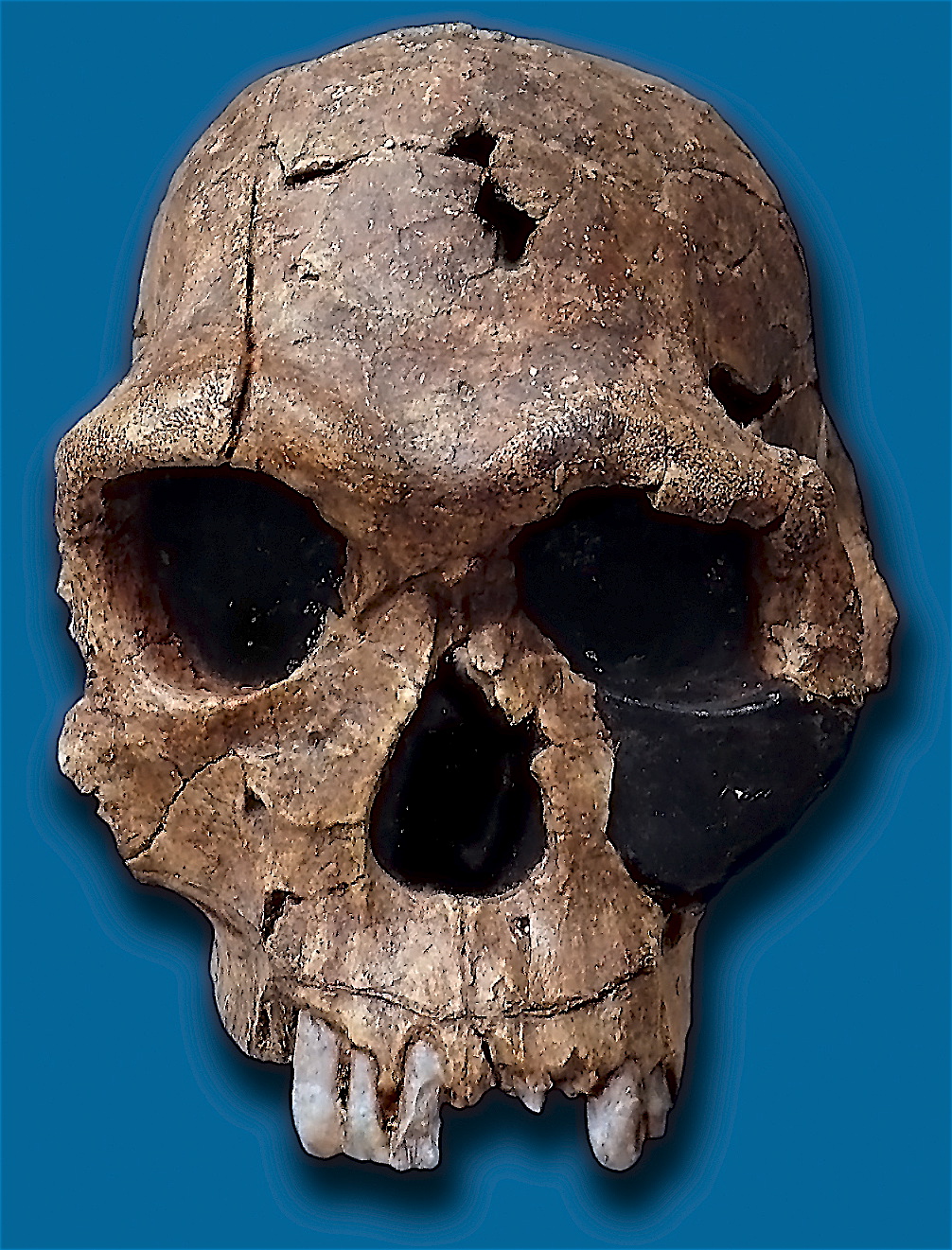
Koobi Fora is best known for its rich fossil record, which contains thousands of vertebrate specimens. The region has produced abundant non-hominin remains that illuminate ancient fauna and flora, as well as a number of important hominin fossils spanning several million years. The deeper deposits reach back toward the Miocene in nearby sequences, while the bulk of internationally recognized hominin finds are from the Pliocene and Pleistocene layers. Fossil-bearing horizons at Koobi Fora are often studied in association with the sediments that contain them, allowing researchers to infer habitat types, dietary signals, and regional climatic trends.
History of research
Systematic exploration intensified after fieldwork and basecamp establishment in the late 1960s and early 1970s. Notably, paleoanthropologist Richard Leakey helped found a research base on a sandspit near the ridge, from which coordinated surveys and excavations were launched. The long-term Koobi Fora Research Project brought together Kenyan institutions and international collaborators to map stratigraphy, excavate fossil localities, and publish chronologies and taxonomic descriptions.
Conservation, management, and community context
Much of the fossil area falls within the boundaries of Sibiloi National Park and is managed in cooperation with Kenyan authorities and museum services. Park staff work to protect sites and wildlife while enabling scientific access. The human landscape around Koobi Fora is characterized by pastoral and nomadic communities, and contemporary land use and cultural values are factored into site stewardship and research agreements.
Significance and notable finds
Koobi Fora remains one of the world’s most productive windows into early human evolution and African environmental change. It has yielded key specimens that contribute to debates about hominin diversity, locomotion, and tool use, as well as large comparative collections of mammals used to reconstruct past ecosystems. Researchers and visitors can consult institutional reports and collaborative publications for detailed inventories, stratigraphic charts, and site descriptions.
- Lake Turkana setting
- Kenyan protected area policies
- Pliocene deposits at Koobi Fora
- Pleistocene sequence
- Sedimentology and stratigraphic context
- Siltstone and fine-grained layers
- Sandstone channels and paleoecology
- Hominin discoveries
- Badlands erosion processes
- History of field research
- Faunal assemblages
- Floral indicators and environments
- Miocene links in the region
Questions and answers
Q: What is Koobi Fora?
A: Koobi Fora is a region around Koobi Fora Ridge, on the eastern shore of Lake Turkana, Kenya. It is in the territory of the nomadic Gabbra people and can also be referred to as East Turkana.
Q: What type of sediments make up the ridge?
A: The ridge is composed of claystones, siltstones, and sandstones.
Q: What fossils have been found in this area?
A: Numerous fossils of land mammals, including early hominin species have been found at Koobi Fora.
Q: Who established the base camp at Koobi Fora Spit?
A: Richard Leakey established the Koobi Fora Base Camp on a large sandspit projecting into the lake near the ridge in 1968.
Q: How long ago were hominin fossils discovered here?
A: Hominin fossils from as far back as 4.2 million years ago have been discovered at Koobi Fora.
Q: What other types of fossils are present besides humanoid ones?
A: Non-humanoid fossils such as those from Miocene fauna and flora are also present at this site.
Q: Is there any protection for sites and wildlife in this area?
A: Yes, Sibiloi National Park was reserved by the government of Kenya in 1973 which provides protection for sites and wildlife with armed park police guarding it. Additionally, exploration and excavation are done by the Koobi Fora Research Project (KFRP) which collaborates with universities and individuals worldwide to protect these areas further.
Related articles
Author
AlegsaOnline.com Koobi Fora: East Turkana paleoanthropological and geological region Leandro Alegsa
URL: https://en.alegsaonline.com/art/54231
Sources
- museums.or.ke : Koobi Fora: Historical Background
- jwest.web.wesleyan.edu : map
- kfrp.com : KFRP Journal
- rci.rutgers.edu : Koobi Fora Field School
- nmnh.si.edu : papers of Glynn Isaacs
- kfrp.com : "Putting Technology to Work at Koobi Fora (Special report)"
- anthro.ucdavis.edu : Book Reviews
- jwest.web.wesleyan.edu : Allia Bay
- nature.com : New four-million-year-old hominid species from Kanapoi and Allia Bay, Kenya
- msu.edu : Steven Heslip's page on the Michigan State University website
- handprint.com : Bruce MacEvoy's 'Handprint' website
- humanorigins.si.edu : Smithsonian National Museum website
- mc.maricopa.edu : KOOBI FORA ARCHAEOLOGY
- raco.cat : Technological Developments in the Oldowan of Koobi Fora: innovative techniques of artifact analysis
- mc.maricopa.edu : STRATIGRAPHY OF KOOBI FORA