
Kiowa County, Colorado — Overview and Key Facts
Kiowa County is a sparsely populated county in eastern Colorado. This article summarizes its geography, history, economy, communities, government seat (Eads) and notable characteristics.
Kiowa County lies on the High Plains of eastern Colorado, in the central part of the United States' western interior. According to the 2010 census, the county had 1,398 residents; its county seat and largest town is Eads. The county is one among many rural jurisdictions in Colorado that combine low population density with an economy based largely on land use.
Image gallery
2 Images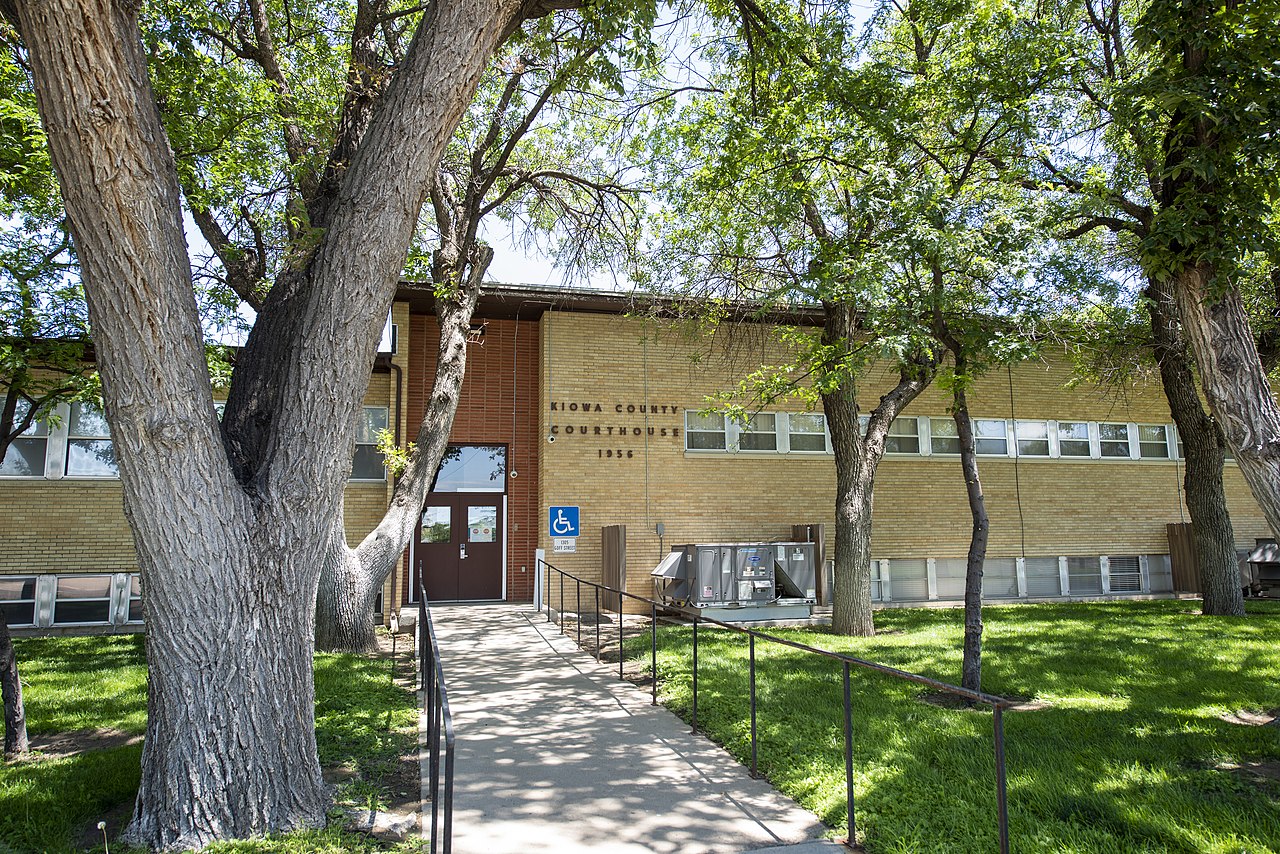

Geography and environment
Kiowa County sits within the High Plains region, characterized by open prairie, rolling shortgrass and semi-arid climate. Wind, wide skies and cultivated fields dominate the landscape. Soils and elevation favor dryland farming and livestock grazing rather than intensive irrigation or forestry. Natural watercourses are limited and most communities rely on wells and small reservoirs.
History and development
The area now called Kiowa County was inhabited for millennia by Plains Indigenous peoples and later touched by exploration, trading and migration during westward expansion. Settlement and organized county government developed in the late 19th and early 20th centuries, a period when railroads, homesteading laws and ranching shaped population patterns. The county's name reflects the presence and historical importance of the Kiowa people in the region.
Economy, land use and communities
The local economy centers on agriculture: wheat and other cereals, cattle ranching and supporting services for rural residents. Small towns and unincorporated settlements provide schools, local government offices and basic commerce, with Eads serving as the primary service hub. Many residents live on farms or ranches, contributing to a dispersed settlement pattern and limited commercial infrastructure.
- Primary land uses: dryland farming, grazing and rural residences.
- Transportation: regional highways connect communities; long distances to larger urban centers are common.
- Services: county administration, schools and volunteer emergency services are centered in the county seat.
Despite its small population, Kiowa County is representative of eastern Colorado's role in food production and open‑space preservation. Its low density, agricultural economy and ties to Plains history distinguish it among Colorado counties and contribute to local identity and community life.
For administrative, demographic or historical details consult county offices or regional reference sources linked through official portals and archival collections.
United States federal data and state records provide the primary statistical snapshots for counties such as this one, with periodic censuses and local reporting keeping demographic information current.
Related articles
Author
AlegsaOnline.com Kiowa County, Colorado — Overview and Key Facts Leandro Alegsa
URL: https://en.alegsaonline.com/art/53715