
Kentville, Nova Scotia
Kentville is a town in Kings County, Nova Scotia, in the Annapolis Valley. It functions as a regional service and commercial centre with agricultural roots, railway heritage, and local cultural attractions.
Kentville is a town in Kings County in the Canadian province of Nova Scotia. Located in the heart of the Annapolis Valley along the Cornwallis River, it serves as a local centre for commerce, health care, and municipal services for surrounding rural communities. Kentville’s location places it among fertile farmland known for fruit and mixed agriculture.
Image gallery
7 Images



Geography and role
The town sits within a broad agricultural valley bounded by low hills, a landscape that shapes its economy and culture. As a regional hub, Kentville hosts retail stores, professional services, and institutions that draw people from smaller nearby communities. It is connected to the rest of the province by regional roads and has a history of rail links that influenced its 19th- and 20th-century growth.
History and development
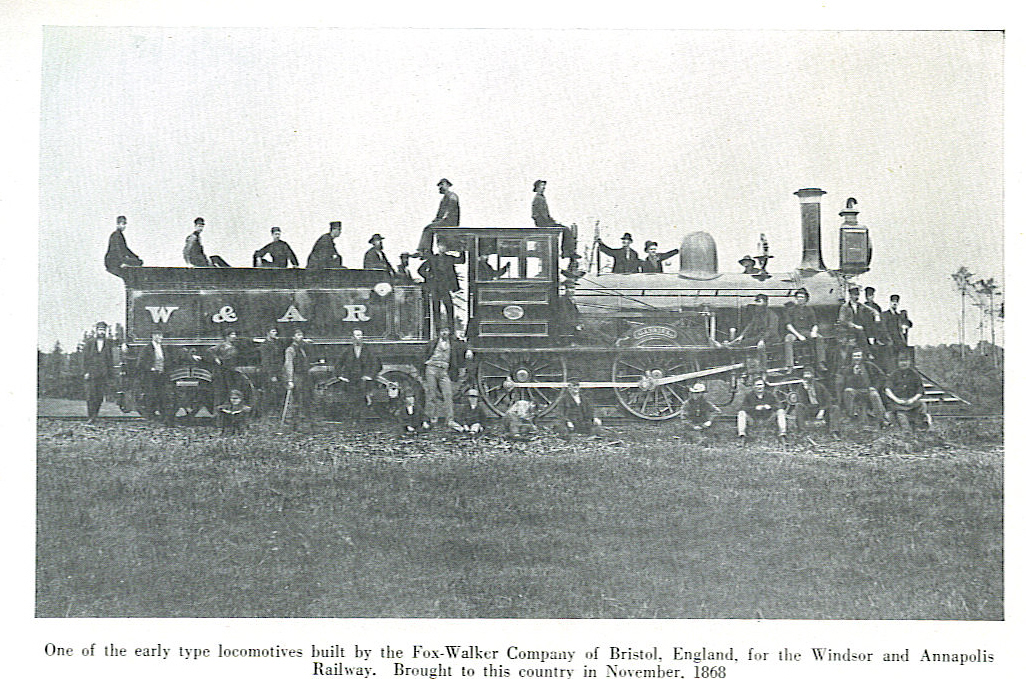
Kentville expanded in the 1800s as transportation and commerce developed in the Annapolis Valley. The arrival of railways helped establish the town as a market and service point for farmers and merchants. Over time it grew municipal functions and community institutions that anchored the population even as agriculture modernized.
Economy, services and institutions
The local economy mixes agriculture-related activity with retail, health care and public services. Kentville is home to regional health and administrative facilities and supports a range of small businesses and professional practices. Educational and cultural links with nearby towns and universities in the valley add to its service role.
Culture, attractions and notable facts
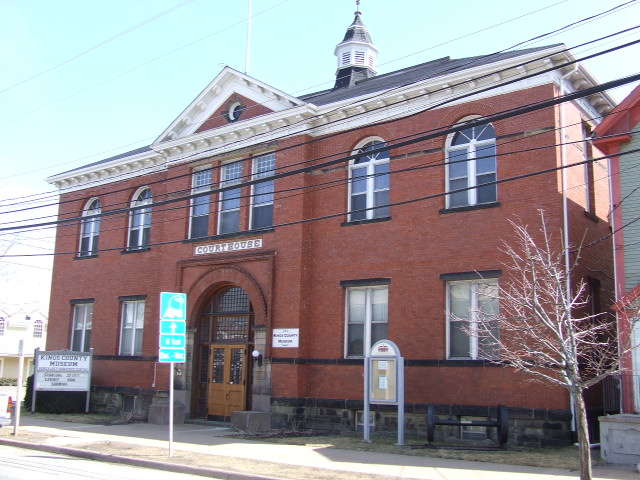
Visitors and residents enjoy riverfront parks, heritage sites and community museums that interpret local history. The town participates in valley-wide events such as the spring apple-blossom celebrations and supports recreational trails and festivals. For official information and local resources see the town website.
- Regional centre: commercial and municipal services for Kings County
- Agricultural setting: part of the Annapolis Valley fruit-growing region
- Heritage: 19th-century growth tied to transportation and market trade
Related articles
Author
AlegsaOnline.com Kentville, Nova Scotia Leandro Alegsa
URL: https://en.alegsaonline.com/art/52970