
Kent, Washington — city in King County within the Seattle–Tacoma metropolitan area
Kent is a mid-sized city in King County, Washington, located between Seattle and Tacoma. Noted for its industrial base, diverse population, parks along the Green River, and role in regional transportation.
Overview
Kent is a city in King County, in the state of Washington, United States. It lies roughly midway between Seattle and Tacoma and is part of the broader Seattle–Tacoma metropolitan area. As recorded by the 2010 U.S. census, Kent had a population of 92,411, making it one of the larger cities in the state. The city combines suburban neighborhoods, extensive industrial and business districts, and stretches of river valley open space.
Image gallery
10 Images

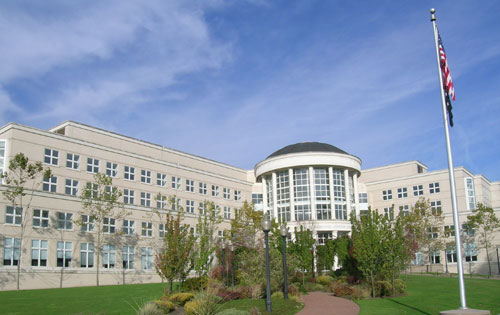


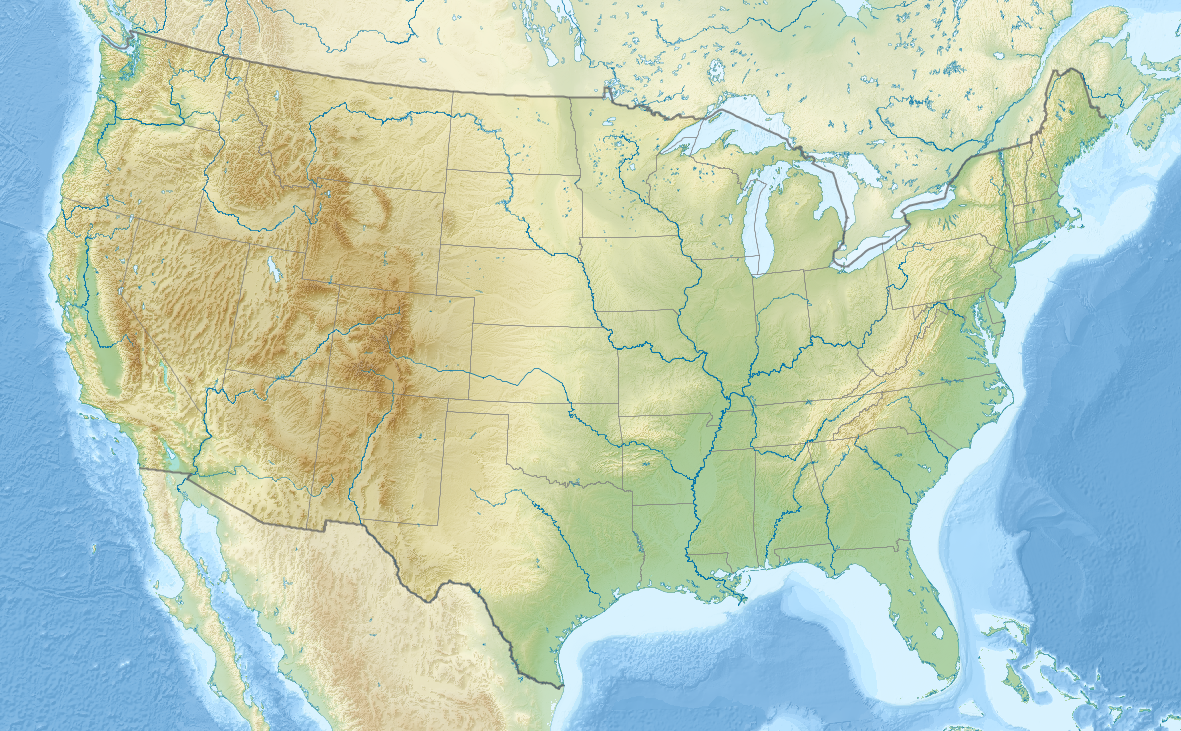


Geography and neighborhoods
Kent occupies land in the valley of the Green River and on surrounding hills. Its footprint includes distinct areas commonly referred to as Downtown, East Hill, West Hill, and the valley floor. The Green River corridor, along with smaller creeks and wetlands, shapes local parks and recreation spaces. Proximity to major north–south transportation routes gives Kent a strategic location for commuters and freight movement between regional economic centers.
History and development
The area that became Kent was settled by non-indigenous residents in the 19th century and evolved from farming and fruit orchards into a more urbanized community as transportation links and industry expanded. Over the 20th century the city attracted manufacturing, warehousing, and distribution operations, which contributed to steady population and economic growth. The downtown and certain neighborhoods have been the focus of redevelopment efforts to support mixed-use development and transit-oriented growth.
Economy and transportation
Kent's economy is diverse, with an emphasis on manufacturing, logistics, distribution, and service industries. Large industrial parks and business districts provide space for warehouses, light industry, and corporate operations. The city is served by major highways and regional rail services that connect it to Seattle, Tacoma and other parts of the Puget Sound region, supporting both commuter travel and freight movement. Transit improvements and commercial centers near rail stations have influenced local planning and investment.
Parks, culture and community
Residents enjoy a variety of parks, trails and outdoor opportunities, many linked to the Green River and local lakes. Community facilities include libraries, sports complexes and performance venues that host cultural events and festivals. Kent's population is ethnically and culturally diverse, reflected in restaurants, businesses and community organizations throughout the city.
Notable facts and distinctions
- Kent is one of Washington state's larger cities by population and plays a notable role in the economy of the Seattle–Tacoma metropolitan area.
- The city maintains a mix of residential, commercial, and industrial zones, with ongoing efforts to balance growth, transportation, and environmental stewardship.
- Population and demographic figures are documented by federal and state sources; for example, the 2010 census reported 92,411 residents (2010 census data).
Kent continues to evolve as part of the dynamic Puget Sound region. Its combination of logistical advantages, community amenities, and river valley landscapes makes it significant both as a local center and as a link between larger metropolitan neighbors.
Related articles
Author
AlegsaOnline.com Kent, Washington — city in King County within the Seattle–Tacoma metropolitan area Leandro Alegsa
URL: https://en.alegsaonline.com/art/52950
Sources
- kentreporter.com : "Kent's new Mayor Ralph predicts 'great things' ahead"
- www2.census.gov : "2017 U.S. Gazetteer Files"
- geonames.usgs.gov : "Kent"
- historylink.org : "Kent is incorporated on May 28, 1890"
- census.gov : "Population Estimates"