
Kendang: the two-headed drum of the Indonesian archipelago
Kendang (or gendang) is a traditional two-headed hand drum widely used across Indonesia in gamelan, dance, theatre and ritual music, with distinct regional forms and playing techniques.
Overview
The kendang (also spelled gendang) is a two-headed drum found throughout the Indonesian archipelago. It appears in the musical traditions of Java, Sunda (West Java), Bali and several eastern Indonesian cultures, and under related names among Malay and Austronesian groups. The instrument frequently leads tempo and dynamics in ensemble settings such as gamelan, accompanies dance and wayang (puppet) performances, and is an important signal instrument in many ceremonial contexts. The Javanese spelling and script are sometimes shown for cultural reference; see the Javanese spelling when noting regional names.
Image gallery
10 Images


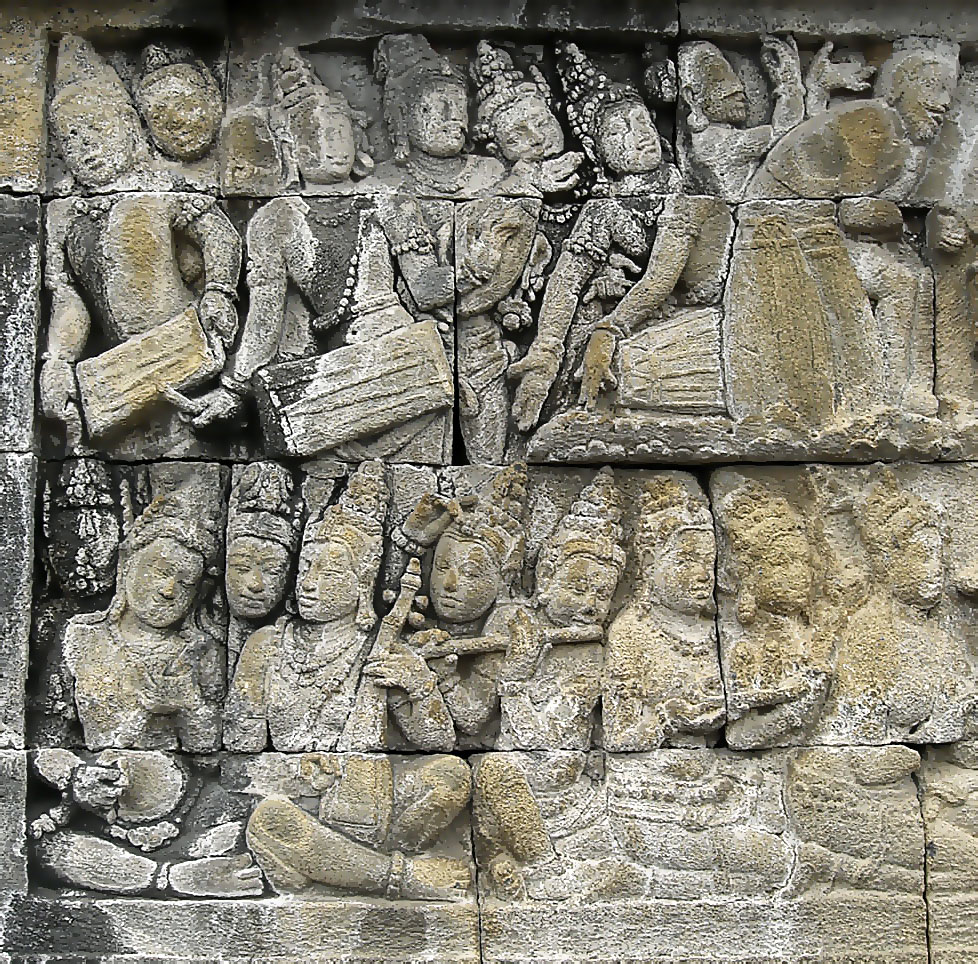
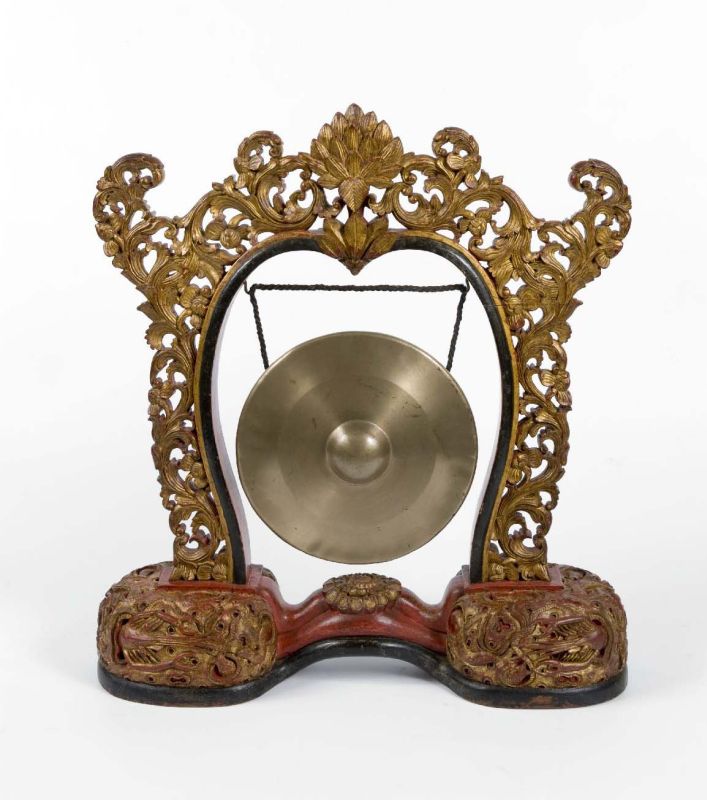

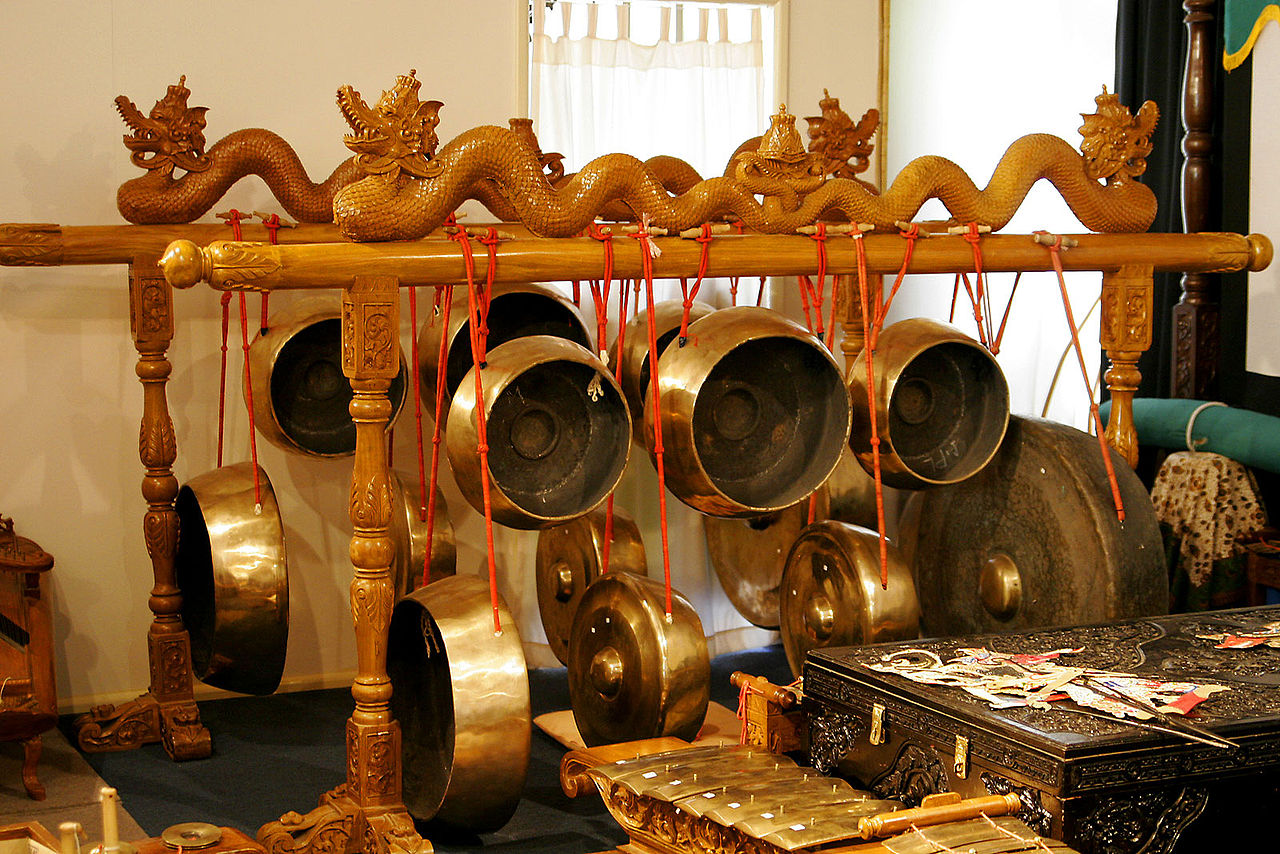

Construction and parts
Kendang bodies are carved from a single block of hardwood, often from dense local timbers, producing a hollow shell with open ends. Each end is covered with tacked or laced animal hide—commonly water buffalo or goat skin—producing bass and treble tones. Tensioning may be achieved by rope lacing, metal pegs, or glued rims depending on regional practice and modern adaptations. Players exploit differences between the two heads to produce contrasting low and high sounds.
- Shell: wooden, cylindrical or slightly hourglass-shaped.
- Heads: two skins with different diameters or tension for tonal contrast.
- Tensioning: rope, wedges, or fixed rims; affects pitch and response.
- Accessories: stands, cloth wrap, or sticks in some regional variants (though hand technique predominates).
Playing technique and musical role
Kendang is primarily a hand drum. Players use palms, fingers and the heel of the hand to produce a variety of strokes—open tones, muted strokes, slaps and rolls—each with a functional name in local terminology. In ensemble contexts the kendang player often functions as the musical leader, setting tempo, marking transitions, cueing soloists or dancers, and shaping dynamics. In dance and wayang, changes in kendang patterns communicate dramatic shifts and coordinate movement.
Lessons and repertoires vary by region: some styles emphasize complex rhythmic improvisation, others steady cyclical accompaniment. Because of its communicative role, kendang technique is closely tied to the conventions of the larger ensemble and performance genre.
History, regional variations and significance
The kendang has deep roots across maritime Southeast Asia and appears in both court and popular traditions. Over centuries it evolved into distinct regional types. In Javanese gamelan there are several named sizes and roles—commonly referenced varieties include large drums for grave, steady beats and smaller drums for faster, ornamented patterns. Sundanese, Balinese and eastern Indonesian cultures maintain their own forms and playing vocabularies. Among Bugis and Makassar communities similar drums serve in martial, ritual and celebratory music.
- Javanese variants: multiple sizes and functions (large, medium and small drums used together).
- Sundanese variants: regional tunings and paired drum systems often described as parent/child types.
- Balinese and eastern forms: often more percussive and integrated with local gamelan idioms.
Today the kendang remains central to many Indonesian musical practices, taught in formal and informal settings and adapted into modern genres. Its continued presence reflects both musical utility and cultural identity: as a leader within ensemble performance, a vehicle for rhythmic expression, and a symbol of communal tradition.
Related articles
Author
AlegsaOnline.com Kendang: the two-headed drum of the Indonesian archipelago Leandro Alegsa
URL: https://en.alegsaonline.com/art/52851
Sources
- rhythmuseum.com : "Rhyth Museum - Kendang"