
Keio University: history, campuses, and role in Japanese higher education
Keio University is a private research university founded in 1858 in Tokyo. It grew from a school for Western studies into a major institution with multiple campuses, diverse faculties, and a strong role in modern Japan.

Overview
Keio University began as a school for Western learning and is now one of Japan's oldest and most prominent private universities. Founded in 1858 by educator and thinker Yukichi Fukuzawa, the institution combines a liberal-arts tradition with professional and scientific training. For institutional information see the Keio University site.
Image gallery
10 Images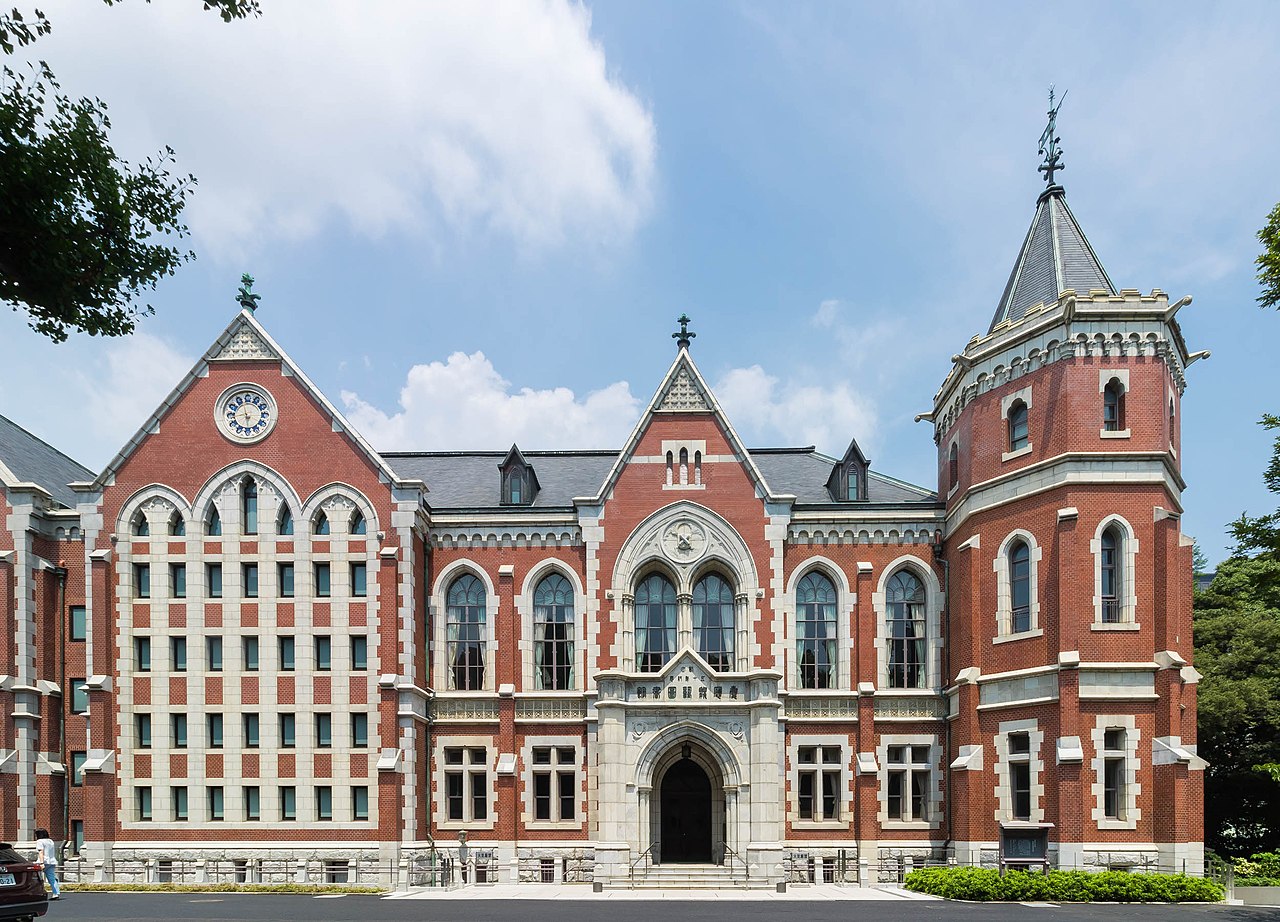


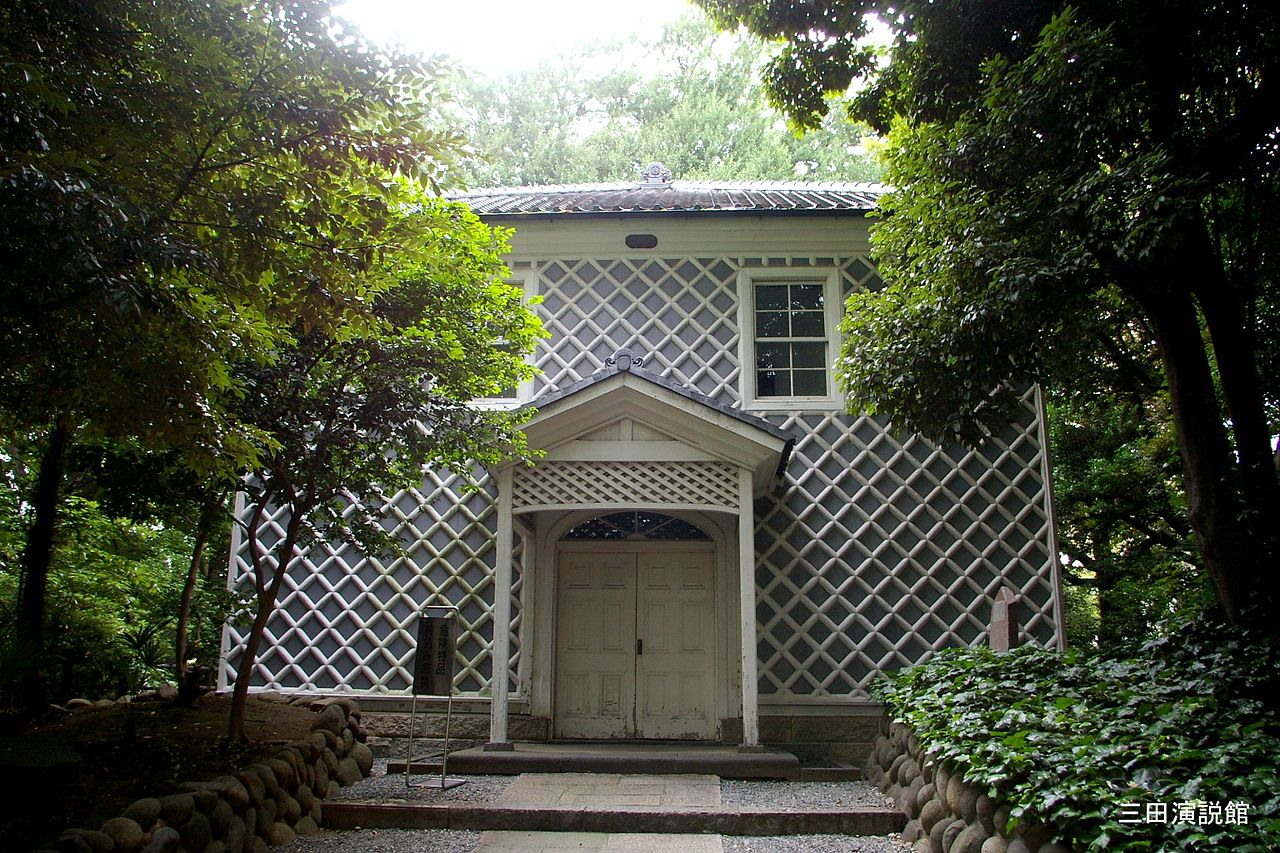


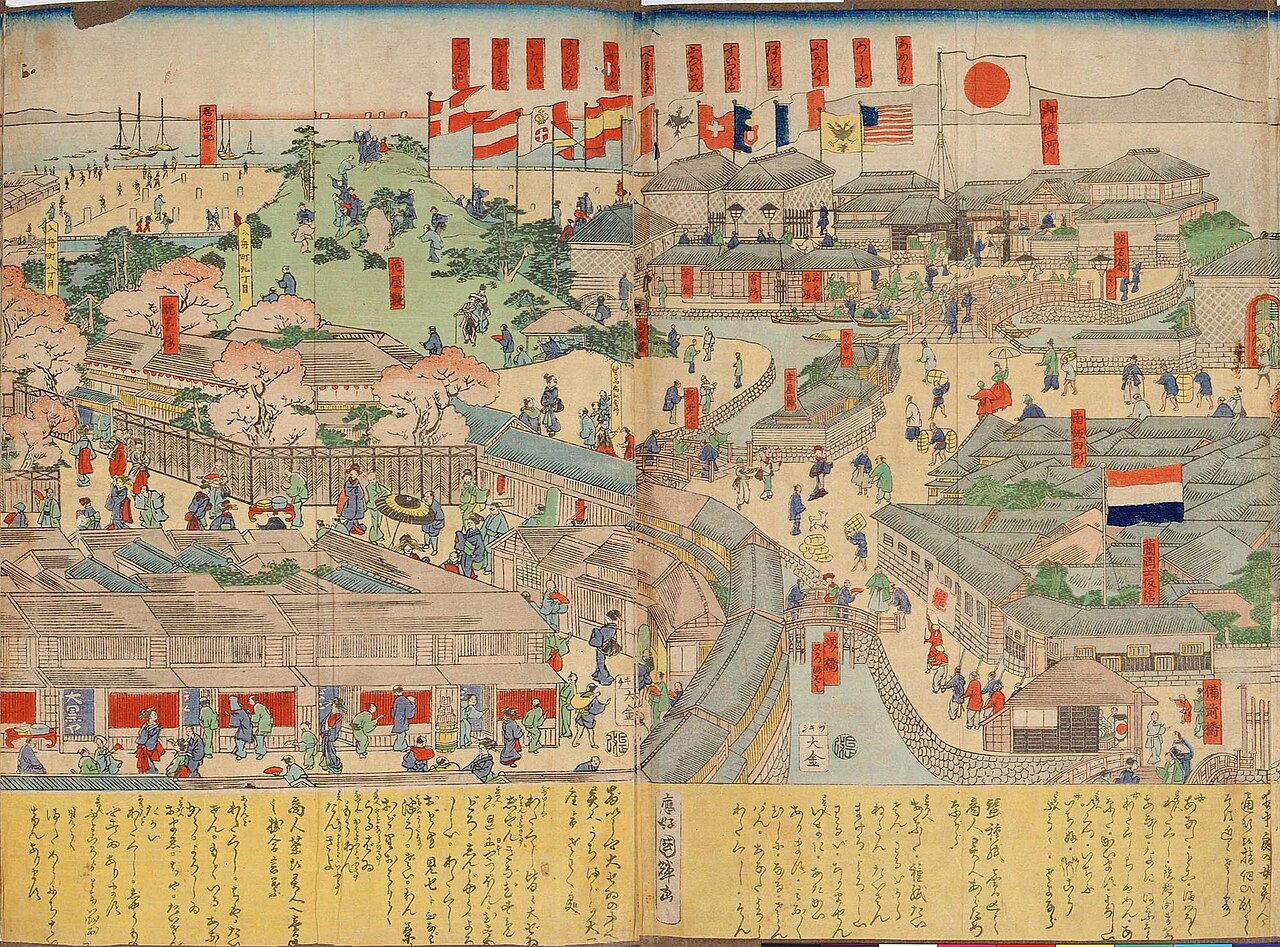

History and development
Keio originated in the late Edo period when Japan was opening to foreign ideas and technologies. Its founder promoted practical education and modernization, and the school evolved through the Meiji era into a modern university. The institution was reorganized and expanded in the early 20th century, becoming a full university that helped train generations of leaders during Japan's rapid industrial and social change.
Campuses and academic structure
Keio operates multiple campuses serving different disciplines and student needs. Major sites include:
- Mita Campus — central administration and many undergraduate faculties.
- Hiyoshi Campus — undergraduate programs and student life facilities.
- Shinanomachi Campus — medical and health-related departments.
- Yagami Campus — science and technology disciplines.
- Shonan Fujisawa Campus (SFC) — interdisciplinary and digital innovation programs.
The university comprises numerous faculties and graduate schools covering fields such as law, economics, medicine, letters and social sciences, business, and science and technology. It offers undergraduate, graduate, and professional education along with research centers that collaborate with industry and government.
Role and notable facts
Keio is widely regarded as a leading private research university in Japan, known for combining humanistic education with applied research. It maintains international exchange programs and partnerships, and its alumni include prominent public officials, business leaders, and scholars. The university's founder, Yukichi Fukuzawa, remains a widely recognized figure in Japanese history and appears on the country's highest-denomination banknote, reflecting his influence on modern Japan.
Located primarily in Tokyo, with campuses extending into neighboring areas, Keio continues to contribute to higher education, research, and public discourse in Japan and abroad through teaching, publications, and cultural activities.
Related articles
Author
AlegsaOnline.com Keio University: history, campuses, and role in Japanese higher education Leandro Alegsa
URL: https://en.alegsaonline.com/art/52722
Sources
- wikidata.org : wikidata.org/wiki/Q815432 · archive.org
- catalogue.bnf.fr : cb13775169p
- data.bnf.fr : (data)
- d-nb.info : 40146-8
- isni.org : 0000 0001 2169 840X
- id.loc.gov : n50047015
- musicbrainz.org : 450bab92-cd38-4c28-a2fc-e76942e07cc1
- id.ndl.go.jp : 00256814
- aleph.nkp.cz : ko2006366452
- nla.gov.au : 35624242
- idref.fr : 026641682
- getty.edu : 500309692
- viaf.org : 139667992
- worldcat.org : lccn-n50047015