
Katonah, New York: Overview, history, and local features
Katonah is a hamlet and census-designated place in the town of Bedford, Westchester County, New York. Known for its historic village center, commuter rail service, and local arts institutions north of New York City.
Overview
Katonah is a small community in the town of Bedford in Westchester County, New York. It is formally described as both a hamlet and a census-designated place, a common arrangement for unincorporated population centers within towns in this state. Katonah lies within the suburban and semi-rural area north of New York City and functions as a local center for residents of Bedford and neighboring communities.
Image gallery
10 Images



Character and amenities
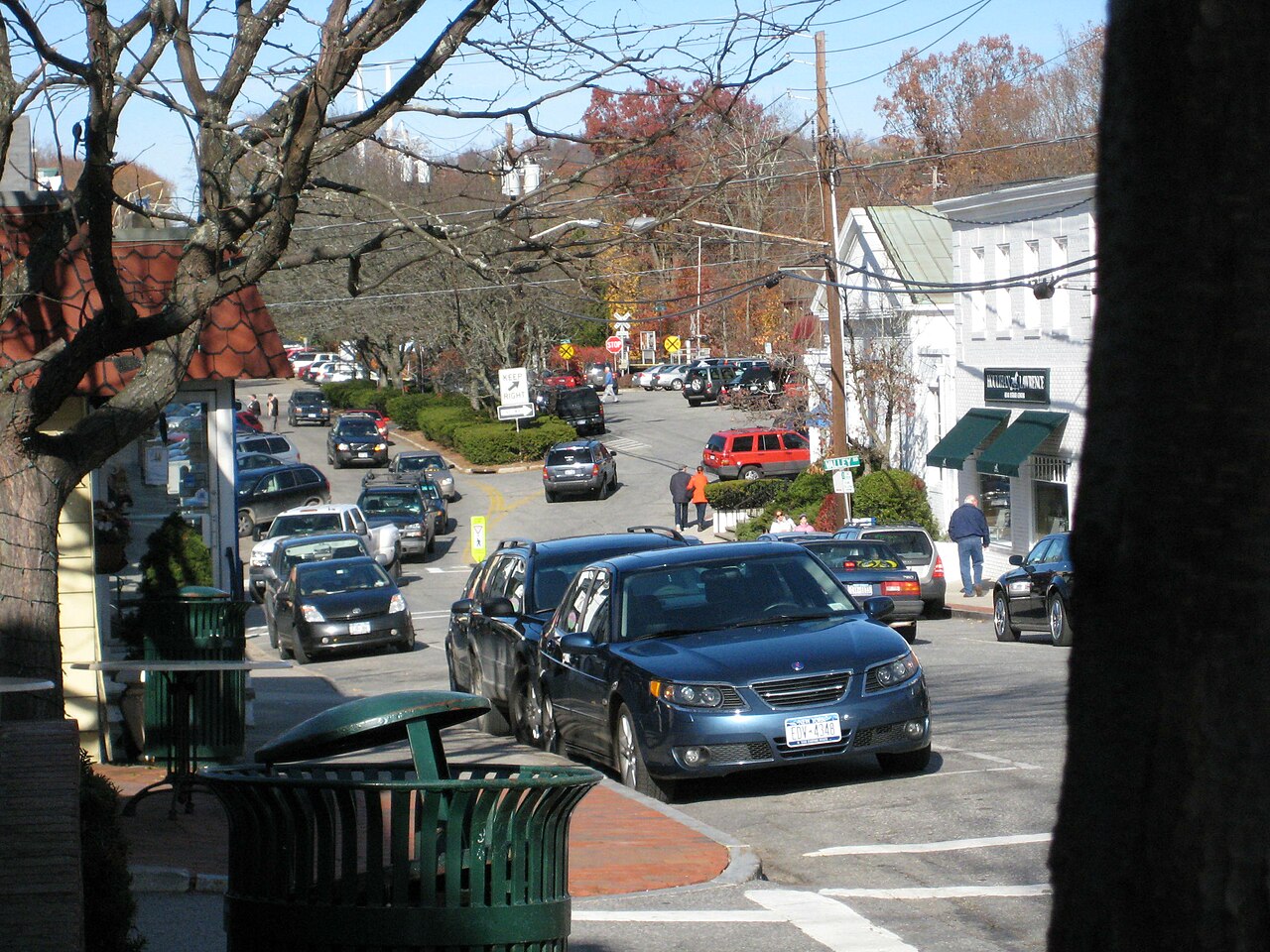
The village core contains a mix of historic buildings, local shops, and civic institutions. Katonah has a commuter rail station on the regional line serving residents who travel to the city, community parks and trails for outdoor recreation, and small cultural venues. The village attracts visitors for its architectural character and its quiet, small-town atmosphere.
History and development
Settlement in the Katonah area dates to colonial times. The present-day village preserves a number of historic structures and a designated historic district; parts of the village reflect development patterns of the 18th and 19th centuries. In the late 19th century the community underwent significant change related to reservoir construction in the region, which prompted adjustments to the village footprint and infrastructure.
Sites and institutions
- Historic houses and local landmarks, including properties associated with early American figures and the rural estate era.
- Small museums and art venues that serve both residents and visitors.
- Commuter connections and community services that anchor daily life in the hamlet.
Significance and distinctions
Katonah is notable for combining a compact historic village center with the surrounding suburban landscape of Bedford. Its dual identity as a hamlet and a hamlet in local usage and as a CDP for statistical purposes underscores the way many New York State communities are organized. The area balances preservation of historic character with providing amenities for a modern residential population.
For visitors and researchers, Katonah offers an example of a Westchester community where historic preservation, commuter access, and local cultural life intersect. For more formal geographic or demographic definitions, see local government and census sources.
Related articles
Author
AlegsaOnline.com Katonah, New York: Overview, history, and local features Leandro Alegsa
URL: https://en.alegsaonline.com/art/52515