
Karl Sverkersson (King of Sweden, c.1130–1167)
Karl Sverkersson, often called Charles VII, ruled Sweden c.1160–1167 during a period of dynastic rivalry between the Houses of Sverker and Eric; his reign ended with his death in 1167.
Overview
Karl Sverkersson (c.1130 – 12 April 1167) was a 12th‑century Scandinavian monarch who became King of Sweden in the early 1160s. He belonged to the House of Sverker and governed during a turbulent era marked by competing dynastic claims and intermittent warfare. Contemporary accounts are sparse, so many aspects of his life and rule are known principally through later chronicles and saga literature.
Image gallery
1 Image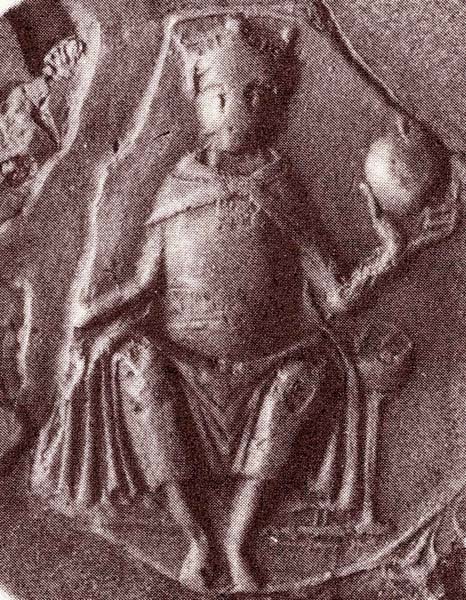
Reign and politics
Karl's period on the throne is conventionally given as beginning around 1160 and lasting until his death in 1167. His kingship fell within a cycle of conflict between the Sverker and Eric families for control of the Swedish realm. Sources describe shifting alliances among nobles, involvement of regional magnates, and occasional interventions by neighbouring Scandinavian rulers. Church interests and the expanding influence of Christianity in Sweden also shaped royal authority during this generation.
Family and succession
He is identified with the Sverker dynasty, a lineage that produced several medieval Swedish rulers. Succession in this period was not strictly hereditary and often depended on military strength and noble support; as a result, kingship frequently changed hands. Karl's death reopened the struggle for the throne and led to further short reigns and contests in the following years.
Death and legacy
Karl Sverkersson died on 12 April 1167. Accounts differ about the precise circumstances, but his death is recorded as a decisive moment in the ongoing civil disputes of the era. Later medieval historians and national chronicles treated him as one of the early Swedish kings, and his reign is sometimes cited in discussions about the formation of royal authority in medieval Sweden. Regnal numbering that calls him "Charles VII" is a later construct and reflects irregular medieval lists.
Historical sources and significance
- Primary evidence is fragmentary: brief annals, church records and later saga narratives.
- Modern historians rely on cautious synthesis of archaeological finds, place‑names and comparative Scandinavian records.
- Karl's story illustrates the fluid, often violent process by which centralized kingship emerged in 12th‑century Sweden.
For readers seeking further context on his reign and the period, syntheses of medieval Swedish history and collections of Scandinavian chronicles offer the clearest overviews. Scholarly treatments emphasize the uncertainties in details while placing Karl Sverkersson within a broader pattern of dynastic rivalry and state formation in northern Europe.
Related articles
Author
AlegsaOnline.com Karl Sverkersson (King of Sweden, c.1130–1167) Leandro Alegsa
URL: https://en.alegsaonline.com/art/52341