
Kansei (Japanese era)
Kansei (寛政) was a Japanese era name from January 1789 to February 1801. It overlapped the Tokugawa shogunate and is noted for the Kansei Reforms and increased emphasis on Neo-Confucian orthodoxy.
Overview
Kansei (寛政) is the Japanese era name (nengō) that succeeded Tenmei and preceded Kyōwa. The era began in January 1789 and ended in February 1801. The imperial throne was occupied by Emperor Kōkaku (光格天皇) during this interval. The characters for Kansei are often translated as "Lenient Government," though the name functions primarily as a calendrical marker.
Image gallery
3 Images

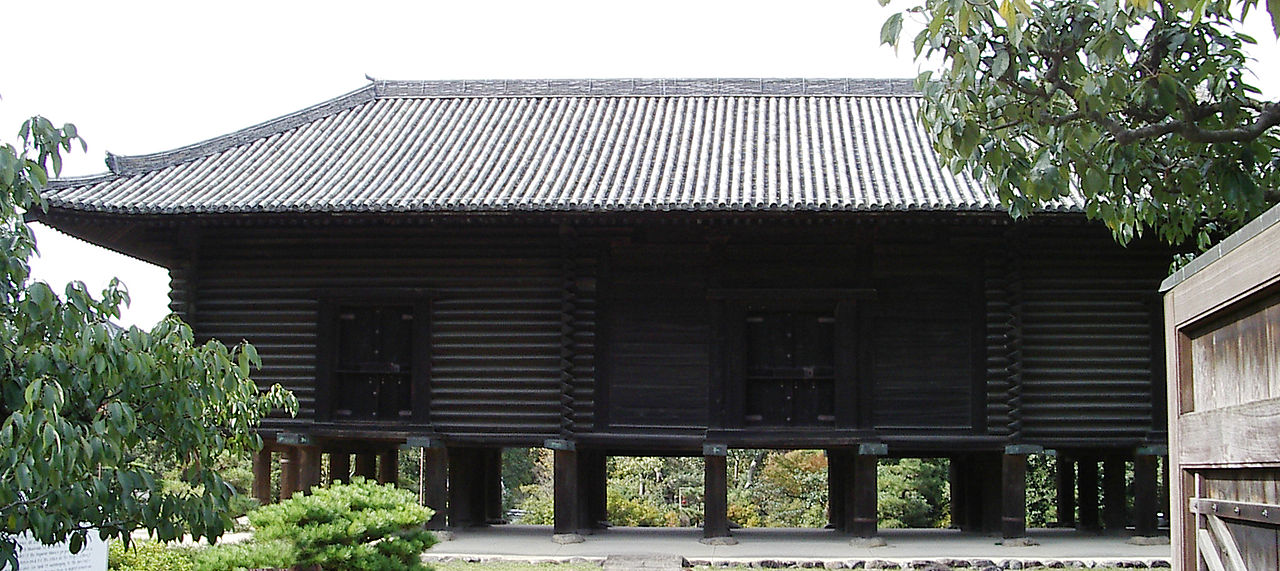
Political and administrative context
Kansei falls squarely within the late 18th-century Tokugawa bakufu (shogunate) polity. Real political power rested with the Tokugawa administration and its senior councillors; one of the most consequential figures tied to this period was Matsudaira Sadanobu, who, as a senior councilor, promoted a set of conservative reforms aimed at fiscal recovery and social order. These measures are commonly grouped in modern histories under the label "Kansei Reforms." The era also coincided with the early years of Shogun Tokugawa Ienari's ascendancy, and the shogunate continued to manage relations among domains, taxation, and public order.
Major policies and reforms
The policies associated with the Kansei period emphasized austerity, moral regulation, and administrative tightening. Key elements included:
- Financial measures to stabilize domain and shogunal budgets, including encouragement of frugality and restrictions on luxury.
- Sumptuary laws and social regulations designed to curb ostentation among merchants and samurai families.
- Educational and ideological directives that favored Neo-Confucian orthodoxy as the approved framework for moral instruction and governance.
- Administrative reforms intended to improve grain storage, tax collection, and local governance.
Culture, scholarship and censorship
Intellectual life during Kansei was shaped by the shogunate's efforts to direct education and doctrine. Authorities promoted Confucian scholarship as the normative curriculum in official schools and issued edicts limiting teachings considered heterodox or disruptive. These measures affected scholars in various fields—Confucianists, kokugakusha (national learning proponents), and others—by both encouraging orthodox study and suppressing challenges to established moral and political principles.
Legacy and significance
The Kansei era is often remembered for the attempt to restore fiscal health and social discipline after earlier decades of crisis. While some reforms improved administrative practice and reinforced conservative moral norms, critics argue that strict controls also stifled intellectual plurality and did not eliminate underlying economic pressures. Historians view Kansei as an important chapter in late-Edo governance that illustrates how the Tokugawa state sought to respond to fiscal and social instability in the years before the 19th century.
For further reading on Japanese era names and the sequence that includes Kansei, see the entry on nengō.
Related articles
Author
AlegsaOnline.com Kansei (Japanese era) Leandro Alegsa
URL: https://en.alegsaonline.com/art/52200
Sources
- books.google.com : "Kansei"
- books.google.com : "Kōkaku Tennō,"
- books.google.com : Annales des empereurs du japon, p. 420.
- books.google.com : The Shogun's Painted Culture, p. 100.
- books.google.com : "Laxman, Adam Erikovitch"