
Kamchatka Krai
Kamchatka Krai is a large, sparsely populated federal subject of Russia in the Far East, noted for its active volcanoes, rich marine life, indigenous cultures and outdoor tourism.
Overview
Kamchatka Krai is one of Russia's federal subjects and is administered as part of the country's Far Eastern region. It lies in the Asian part of Russia and occupies a long, rugged peninsula that projects into the North Pacific. The administrative centre is the port city of Petropavlovsk-Kamchatsky. The territory is characterized by dramatic volcanic landscapes, extensive coastline and a low population density.
Image gallery
5 Images


Geography and environment
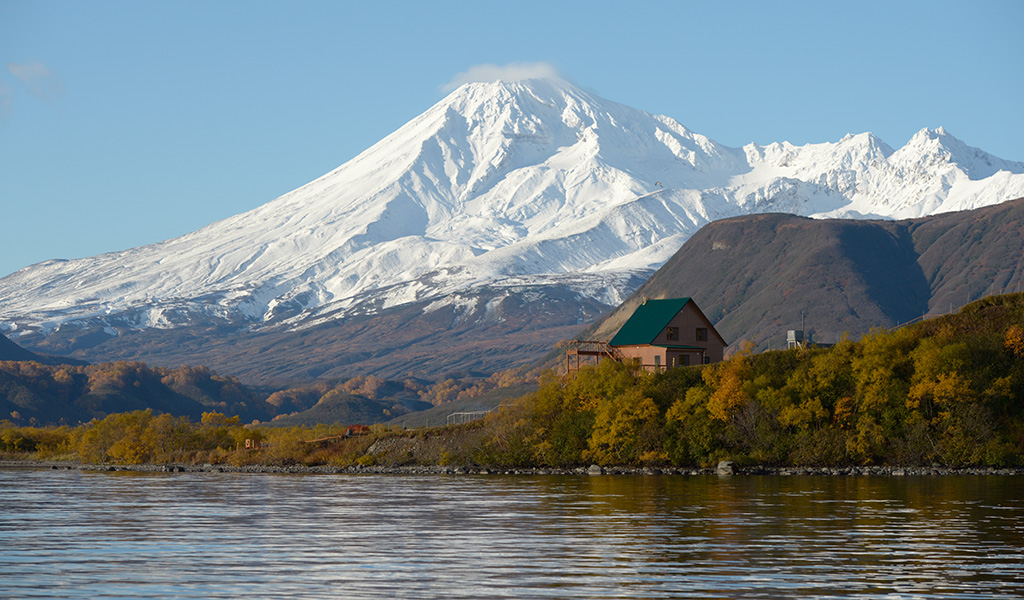
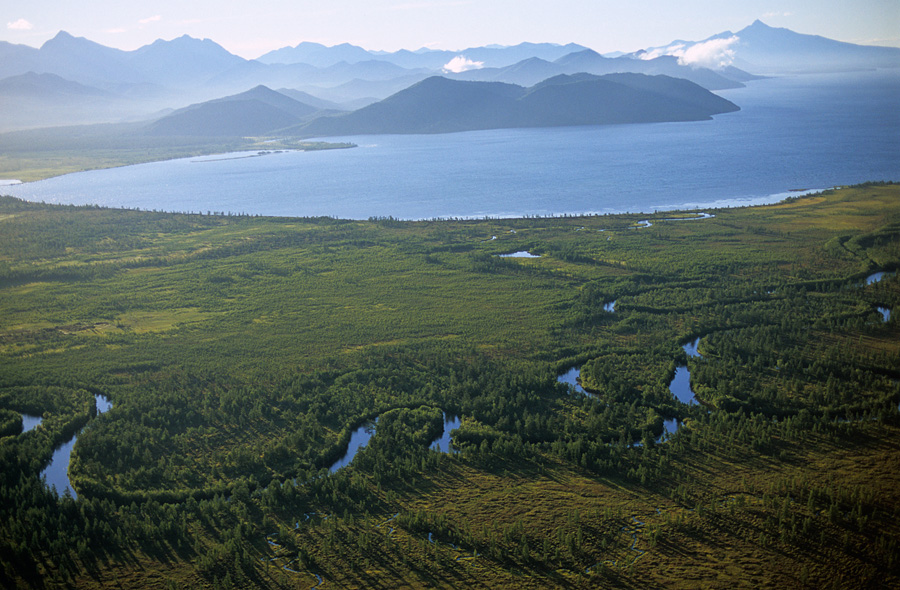
The region includes mountain ranges, active volcanoes, river valleys and coastal plains. It is part of the Pacific "Ring of Fire," and contains a high concentration of volcanic cones and geothermal features such as hot springs and geysers. The climate is generally cold and maritime, with strong seasonal influence from the ocean. Rich marine ecosystems support large populations of salmon, marine mammals and seabirds, making Kamchatka ecologically important.
History and administration
In the 21st century the present krai was formed through administrative changes that unified adjacent territories into a single federal subject. It is governed under the Russian system of regional authorities and is represented among the country's federal subjects (federal subjects). It is also grouped within the Far Eastern Federal District, the broad regional division of the Russian state for the area (Far Eastern region).
Population, peoples and culture
The population is small relative to its area and includes ethnic Russians as well as indigenous peoples such as the Koryaks, Itelmens and Evens. Traditional activities—reindeer herding, fishing and subsistence hunting—remain important in many communities, alongside modern industries and urban life in Petropavlovsk-Kamchatsky.
Economy and uses
- Fishing and seafood processing are leading economic sectors, supported by productive coastal waters.
- Tourism emphasizes volcano trekking, wildlife viewing and thermal resorts; adventure and nature tourism have grown in recent decades.
- Local livelihoods also include small-scale mining, forestry and traditional herding.
Notable facts and distinctions
Kamchatka is internationally notable for its active volcanism—some volcanoes reach great heights and remain active—and for dense salmon runs that are key to both local economies and wider ecological networks. The landscape and biodiversity make the region a focus for scientific research and conservation. Remoteness, harsh weather and limited infrastructure shape daily life and development policy in the krai.
For more detailed administrative, demographic and travel information consult regional resources and official overviews linked above.
Related articles
Author
AlegsaOnline.com Kamchatka Krai Leandro Alegsa
URL: https://en.alegsaonline.com/art/52029
Sources
- perepis2002.ru : "Территория, число районов, населённых пунктов и сельских администраций по субъектам Российской Федерации (Territory, Number of Districts, Inhabited Localities, and Rural Administration by Federal Subjects of the Russian Federation)"
- kamstat.gks.ru : Предварительная оценка численности населения на 1 января 2015 года и в среднем за 2014 год
- alaska.si.edu : "Eastern Siberia Koryak culture"
- themoscowtimes.com : "Welcome to Kamchatka"
- council.gov.ru : "Kamchatka Territory"
- whc.unesco.org : "Volcanoes of Kamchatka"
- regnum.ru : "Archived copy" · web.archive.org
- gks.ru : "Archived copy" · webcitation.org
- lngworldnews.com : "Russia's Novatek to splash up to $1.5 billion on Kamchatka LNG hub"
- ria.ru : "Рождение Камчатского края в Петропавловске отметили фейерверком"