
Arapaho, Oklahoma — Town and County Seat of Custer County
Arapaho is a small town in western Oklahoma that serves as the county seat of Custer County. The article outlines its location, history, economy, community life, and notable distinctions.
Arapaho is a small municipal center in the central plains of the United States, located in the U.S. state of Oklahoma. It functions as the county seat for Custer County, and acts as a local service hub for surrounding farms and ranches. Though modest in size, Arapaho performs administrative and civic roles typical of county seats in rural regions.
Image gallery
1 Image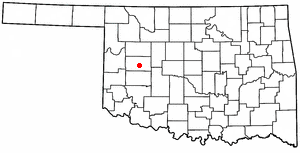
Location and characteristics
Set within the Great Plains region, the town sits amid agricultural land and rolling prairie. The landscape and climate support dryland farming, cattle ranching, and — in many Oklahoma communities — energy-related activities such as oil and natural gas production. Buildings that commonly anchor the town include a courthouse, municipal offices, a public school, churches and small businesses that provide daily services.
History and name
The community grew during the broader settlement of western Oklahoma in the late 19th and early 20th centuries. Its name reflects the region's Indigenous heritage: it is derived from the Arapaho people, a Plains tribe historically associated with parts of the central United States. Over time the town became the administrative center of Custer County and developed civic institutions around that role.
Economy, institutions, and community life
Local life in Arapaho centers on agriculture and small-scale commerce. Public services commonly include a county courthouse, schools, a public library or community center, and volunteer emergency services. Community events often revolve around school sports, fairs, and seasonal celebrations that bring residents together and support the rural economy.
Notable facts and distinctions
- As the county seat, Arapaho houses county government offices and the courthouse, making it an administrative focal point for Custer County.
- Its name preserves a connection to the Indigenous peoples of the Plains and is part of a wider pattern of place names in the region.
- The town functions as a service center for nearby farms and ranches, typical of small towns in Oklahoma's agricultural belt.
For readers seeking official or up-to-date details about Arapaho — such as municipal contacts, local events, or visiting information — county and state pages provide the most current resources and are recommended as primary references. Additional historical and demographic information may be available from regional archives and local historical societies.
Related articles
Author
AlegsaOnline.com Arapaho, Oklahoma — Town and County Seat of Custer County Leandro Alegsa
URL: https://en.alegsaonline.com/art/5189
Sources
- www2.census.gov : "2018 U.S. Gazetteer Files"
- census.gov : "Population and Housing Unit Estimates"
- census.gov : "U.S. Census website"
- geonames.usgs.gov : "US Board on Geographic Names"