
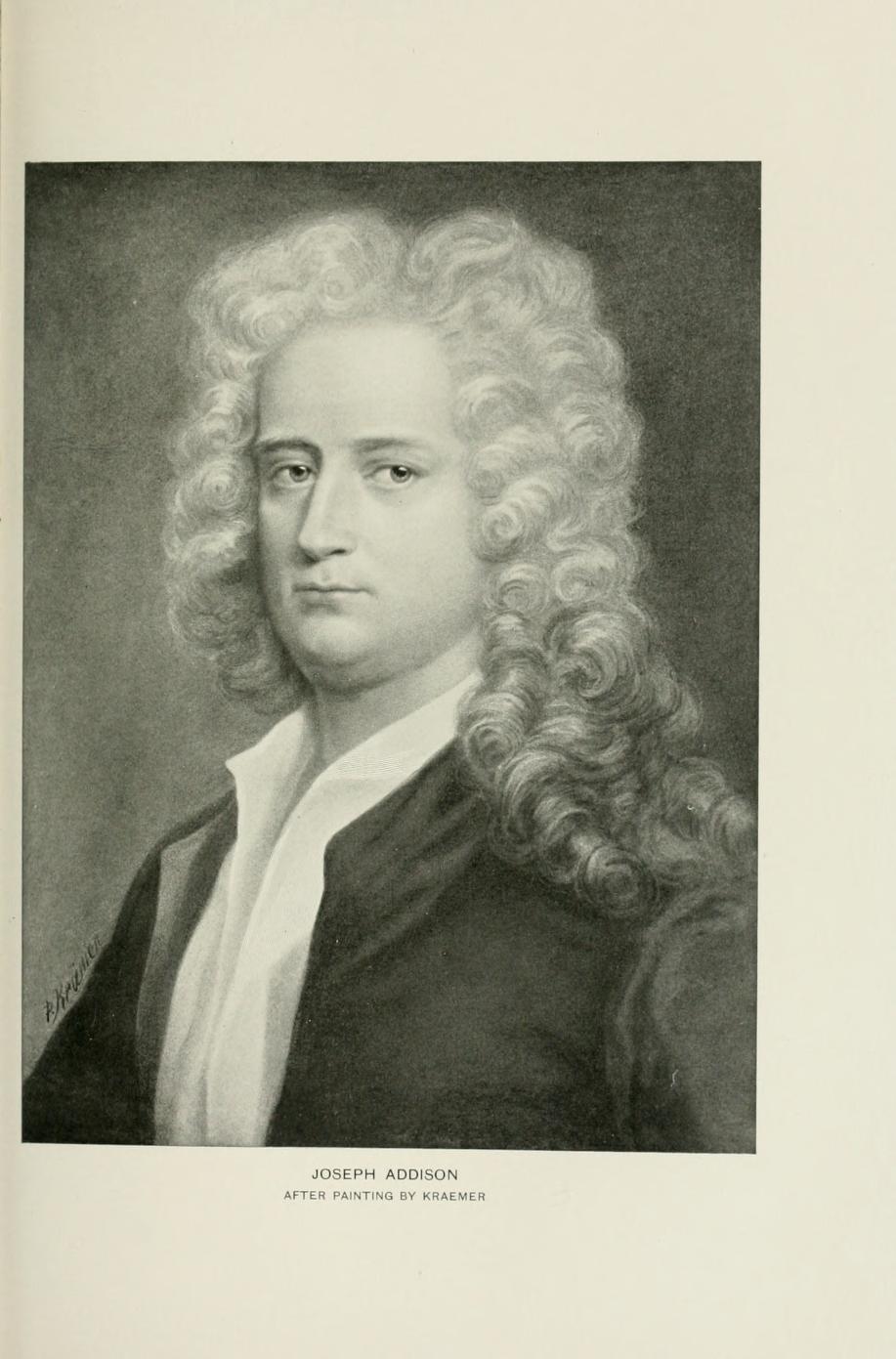
Joseph Addison — English essayist, playwright and poet
Joseph Addison (1672–1719) was an English writer and politician best known for his essays in The Spectator, his play Cato, and polished style that helped shape 18th‑century prose and public taste.
Overview
Joseph Addison (1 May 1672 – 17 June 1719) was an English essayist, poet, playwright and public figure whose writings helped define the tone of early 18th‑century English letters. He is widely celebrated for the clarity, elegance and moral purpose of his prose and for popularizing the periodical essay as a vehicle for social commentary and literary criticism. He has been described by later critics as one of the principal reformers of English taste and manners.
Image gallery
6 Images




Works and style
Addison wrote for and co‑produced influential periodicals with Sir Richard Steele, most notably The Spectator, which offered short essays on manners, literature and daily life designed to instruct and entertain a growing reading public. He also contributed poetry and drama: his patriotic poem "The Campaign" and the play Cato, a Tragedy were widely read and performed. Addison's prose is marked by lucid sentence structure, balanced argument and a moderate moral tone intended for a broad audience.
Major writings
- The Spectator (with Richard Steele) — essays on conduct, culture and taste
- Cato, a Tragedy — a political drama emphasizing liberty and civic virtue
- Poems such as "The Campaign" — occasional verse on public events
Life, public career and influence
Educated in the classical tradition, Addison combined literary work with public service and parliamentary activity. His essays reached a wide urban readership and contributed to debates about manners, religion and politics in the early Georgian era. The moral and civic themes of his drama and essays influenced later writers and public figures; Cato in particular found admirers among 18th‑century reformers and patriots.
Legacy
Addison died in 1719 and was buried in Westminster Abbey in the north aisle of the Henry VII Chapel. His role in shaping the periodical essay and his polished, accessible prose secured his place in English literary history. For more information, see a general author overview at further reading on Addison and details of his burial at Westminster Abbey.
Related articles
Author
AlegsaOnline.com Joseph Addison — English essayist, playwright and poet Leandro Alegsa
URL: https://en.alegsaonline.com/art/51200