
Josep Maria Subirachs — Catalan sculptor and painter
Catalan artist (1927–2014) known for angular, expressionist sculpture and the Passion Façade of Barcelona's Sagrada Família. Worked across public monuments, painting, engraving and architectural relief.
Josep Maria Subirachs i Sitjar (11 March 1927 – 7 April 2014) was a Catalan sculptor and painter whose work became a prominent feature of late 20th-century public art in Spain. Born and based in Barcelona, Subirachs produced a body of work that ranged from monumental stone reliefs to intimate graphic pieces. He is widely known for his contribution to the basilica of the Sagrada Família in Barcelona; his interpretation of the Passion Façade remains among his most discussed works. For an overview of his life and art see biographical sources.
Image gallery
2 Images
Artistic style and media
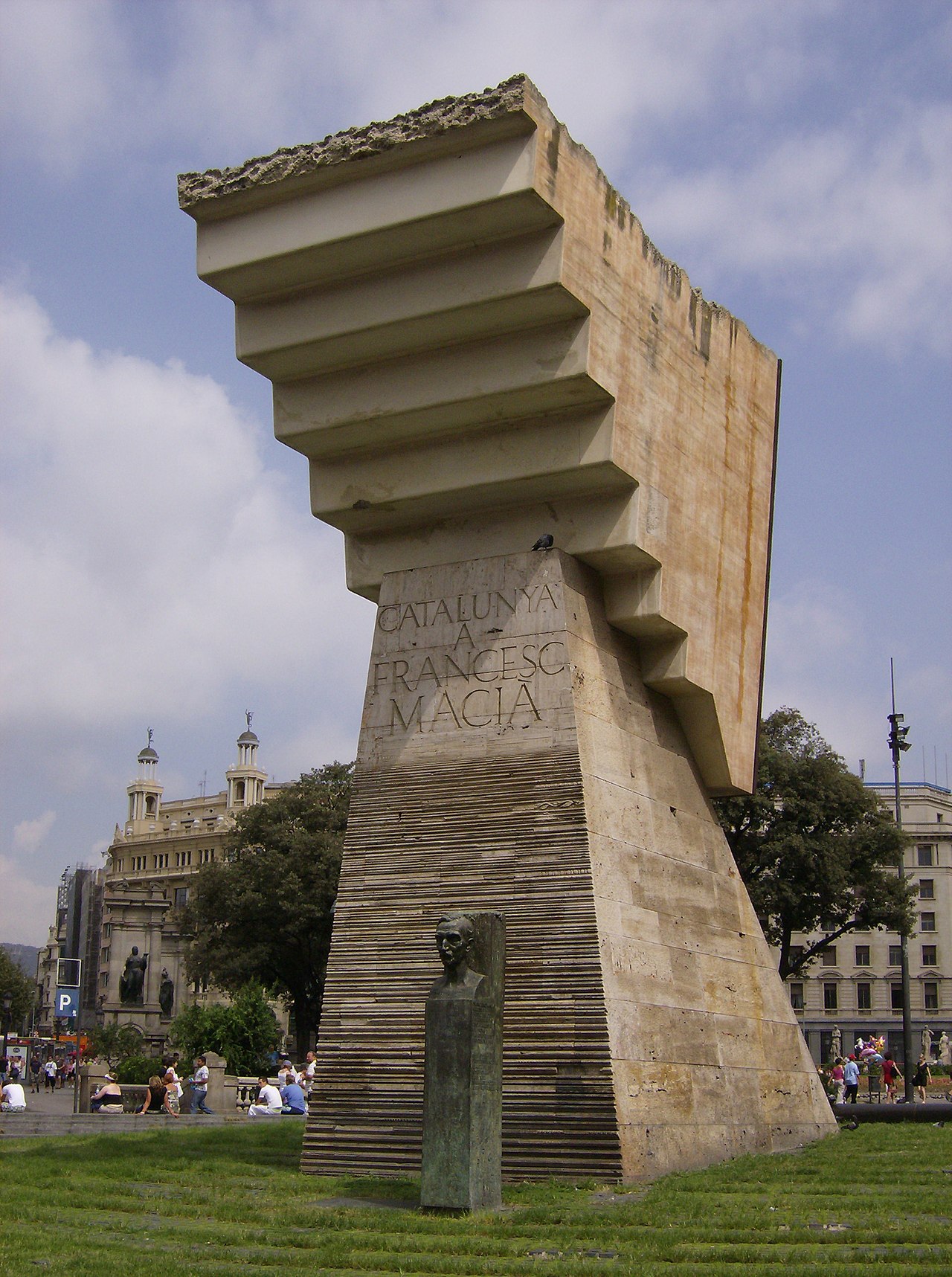
Subirachs blended figuration and abstraction, favoring austere, angular forms and a powerful, sometimes brutal expressiveness. His sculptures often emphasize geometry, textured surfaces and stark silhouettes that convey tension and movement. He worked in a variety of media including stone, bronze, wood, paint and engraved surfaces. Common themes include human suffering, spiritual narratives and civic memory, frequently expressed through compact, symbolic compositions rather than detailed naturalism.
Major works and public commissions
Although he produced easel paintings and prints, Subirachs became best known for large-scale public commissions and architectural sculpture. His most famous commission is the sculptural program of the Passion Façade on Antoni Gaudí’s Sagrada Família, a dramatic and modern reinterpretation of the crucifixion scenes that contrasts with Gaudí’s organic forms. This intervention sparked debate for its markedly different approach to style and iconography; nevertheless, it remains a landmark example of late 20th-century religious sculpture. The site itself is a major cultural landmark in Barcelona and attracts international attention for both its architecture and the conversation between Gaudí and later artists on the same project. More on the basilica is available at resources about the Sagrada Família.
Themes, methods and influence
Subirachs’s practice combined rigorous draftsmanship with direct carving and casting methods. He used inscriptions, numerals, letters and simplified figures as recurring motifs, turning text into a sculptural element. His approach influenced generations of sculptors working in public spaces and contributed to debates about modern interventions in historic or unfinished architectural projects. Critics have noted how his work negotiates between monumentality and personal expression.
Legacy and later life
Subirachs continued to work and exhibit throughout his life, producing monuments, funerary pieces, murals and graphic works that populate many Spanish cities. He died in Barcelona on 7 April 2014 after an illness related to Parkinson's disease, leaving a legacy of polarising but widely recognized public art. His career is frequently discussed in studies of 20th-century Catalan sculpture and in conversations about the role of contemporary artists in historic architectural contexts.
Notable facts
- Born and active in Barcelona; work spans painting, sculpture, engraving and architectural relief.
- Most internationally visible work: the Passion Façade of the Sagrada Família.
- Work is characterized by an interplay of text, geometry and figurative fragments.
For further reading on his life and catalogue, consult museum records and dedicated monographs that survey Spanish and Catalan sculpture of the 20th century: see general references at biographical sources and architectural discussions including the Sagrada Família at site resources.
Related articles
Author
AlegsaOnline.com Josep Maria Subirachs — Catalan sculptor and painter Leandro Alegsa
URL: https://en.alegsaonline.com/art/51197
Sources
- cultura.elpais.com : "Fallece Josep Maria Subirachs, el escultor que se atrevió a medirse con Gaudí"