
Jokkmokk Municipality (Norrbotten County, Sweden)
A large, sparsely populated municipality in Swedish Lapland. Seat in Jokkmokk. Noted for its Sami heritage, Laponia World Heritage landscape, wilderness recreation, reindeer herding and annual winter market.
Overview
Jokkmokk Municipality is an administrative area in northern Sweden. In Swedish it is known as Jokkmokks kommun. The municipality belongs to Norrbotten County and lies in the broader region commonly called Swedish Lapland in northern Sweden. The municipal seat is the town of Jokkmokk, which serves as the local centre for services, culture and transport. The municipality is designated as a municipality under Sweden's local government system.
Image gallery
3 Images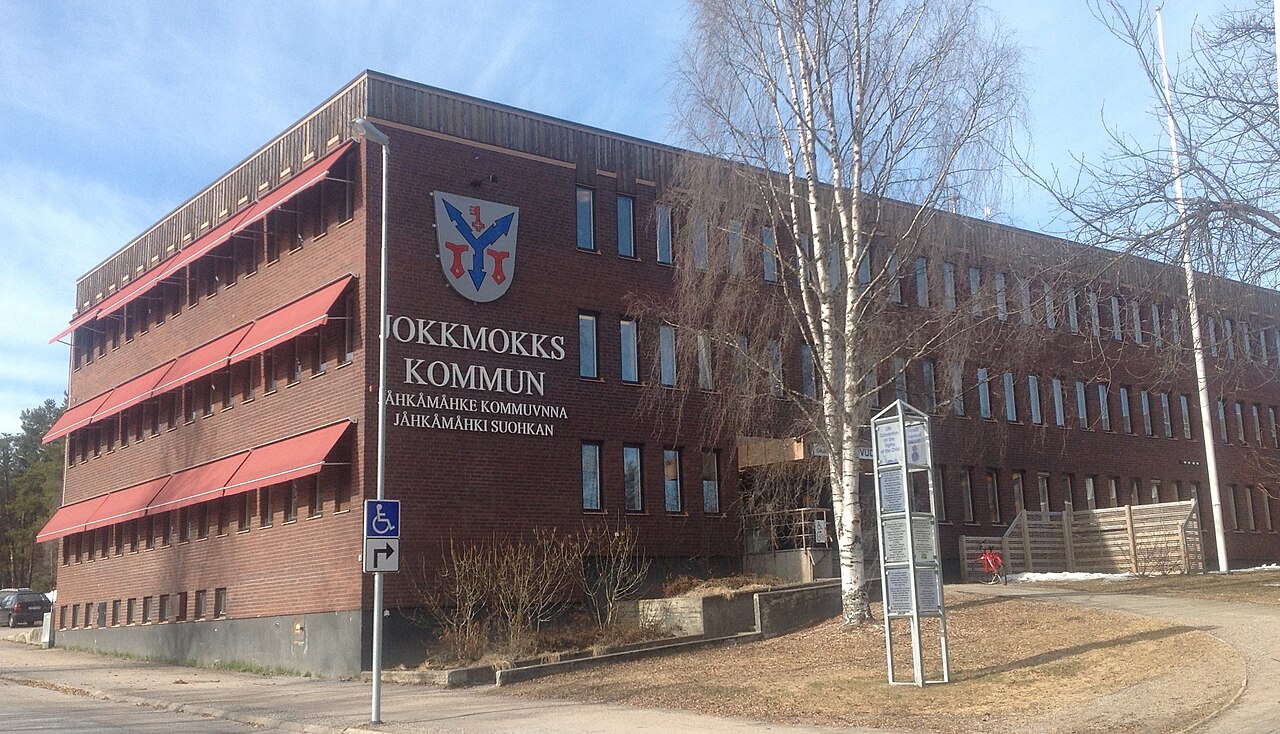


Geography and natural heritage
Jokkmokk covers a large area of boreal forest, mountains and river valleys. Much of its landscape remains road-accessible wilderness with typical subarctic climate and long winters. Parts of the municipality lie within the Laponia cultural and natural landscape, a UNESCO World Heritage area that includes several national parks and protected zones. Rivers, lakes and alpine plateaus make the area important for biodiversity, outdoor recreation and traditional livelihoods.
History, people and culture
The region has been populated for millennia by the Sami people and later by Swedish settlers. Today Sami culture remains central to Jokkmokk's identity: language, handicraft traditions (duodji), handicrafts and reindeer herding are visible elements of everyday life. The town of Jokkmokk hosts a long-established winter market and cultural events that attract visitors interested in indigenous culture and Arctic traditions.
Economy and activities
Economic life mixes traditional and modern activities. Reindeer husbandry and forestry coexist with tourism, small-scale industry and services. Visitors come for nature tourism—hiking, skiing, fishing and viewing the Northern Lights—as well as cultural tourism linked to Sami exhibitions and seasonal markets. Conservation and sustainable use of natural resources are influential themes in local planning.
Visiting and governance
Jokkmokk is governed by a municipal council seated in the town of Jokkmokk. The municipality is sparsely populated, with low population density and settlements concentrated in a few villages and the municipal centre. It is reachable by regional roads and scheduled public transport, and functions as a hub for exploring the surrounding national parks and wilderness.
- Highlights: Laponia World Heritage landscapes, Sami culture and winter market.
- Outdoor pursuits: hiking, canoeing, fishing, skiing and aurora viewing.
- Traditional livelihoods: reindeer herding and forest management.
For administrative details and local services see municipal pages and regional information outlets at Jokkmokks kommun and county resources Norrbotten. General regional context is available via sources about northern Sweden and local town information at Jokkmokk. Additional municipal and legal information can be found through pages about the municipality.
Related articles
Author
AlegsaOnline.com Jokkmokk Municipality (Norrbotten County, Sweden) Leandro Alegsa
URL: https://en.alegsaonline.com/art/50969
Sources
- scb.se : "Statistiska centralbyrån den 1 januari 2010"
- scb.se : "SCB, Befolkningsstatistik 30 juni 2012"