
Johnson City, Tennessee
Johnson City is a principal city in northeastern Tennessee, chiefly in Washington County. It anchors a regional economy centered on education, health care and Appalachian culture and is part of the Tri‑Cities area.
Overview
Johnson City is a regional center in northeastern Tennessee, located primarily in Washington County with portions extending into Carter County and Sullivan County. The city serves as the principal municipality of its metropolitan area and is a key component of the larger Johnson City–Kingsport–Bristol combined statistical area sometimes called the "Tri‑Cities" region. Johnson City functions as a commercial, educational and medical hub for a multi‑county rural and small‑urban region.
Image gallery
8 Images


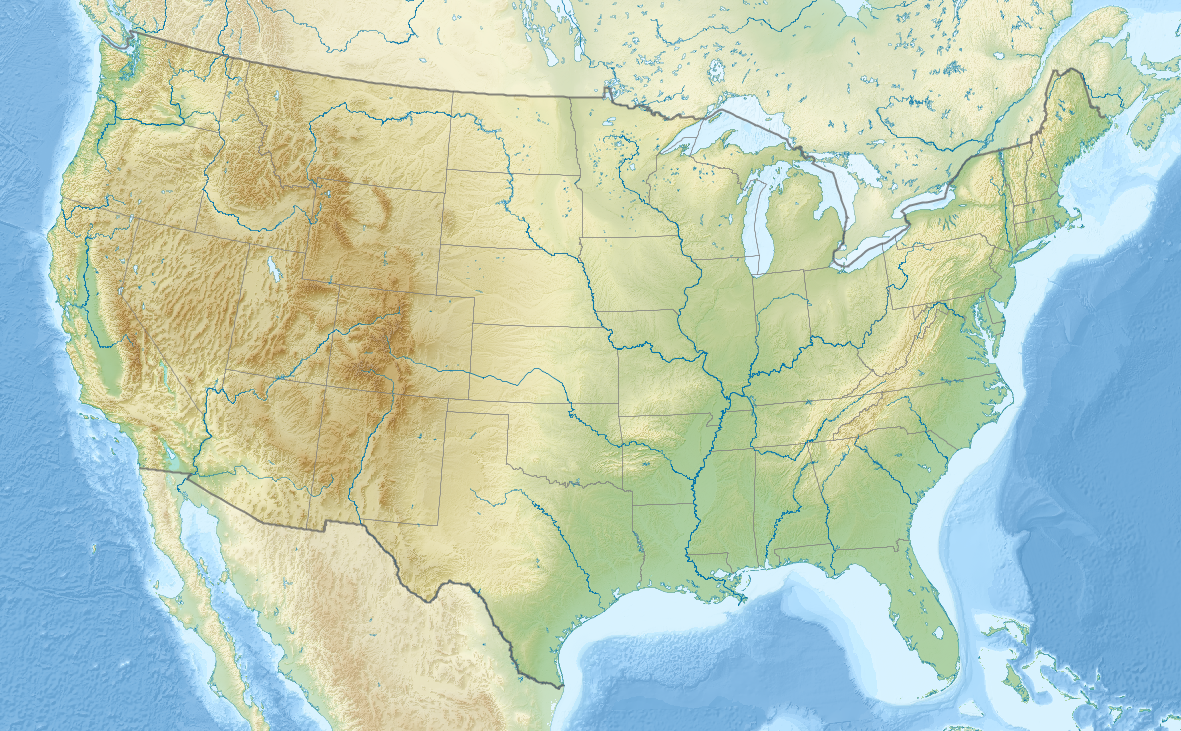

Geography and climate
Positioned in the foothills of the Appalachian Mountains, Johnson City sits amid rolling terrain with nearby ridgelines, valleys and small rivers. Its setting offers relatively easy access to outdoor recreation, including hiking, fishing and scenic drives into higher elevations of the Appalachians. The climate is temperate with four distinct seasons: warm summers, cool to mild springs and autumns, and generally moderate winters compared with higher mountain locations.
History
The community grew in the 19th century around transportation routes and later expanded with the arrival of rail lines and related industries. During the American Civil War it was briefly renamed "Haynesville" in honor of the Confederate senator Landon Carter Haynes before reverting to Johnson City as it developed after the war. Industrial growth in the late 19th and early 20th centuries shaped the urban core; throughout the 20th century the local economy diversified as manufacturing declined and service, education and medical sectors expanded.
Population and demographics
Johnson City is among the larger cities in the state and serves a varied population that includes students, health‑care workers, professionals and residents from surrounding rural counties. As the anchor of a metropolitan area, the city accommodates both longer‑term residents and a transient population associated with higher education and medical facilities. Demographic trends reflect regional patterns of gradual growth, aging of some population segments and a workforce concentrated in services and institutions.
Economy and institutions
The modern economy centers on higher education, health care, retail and public services. A public university and affiliated medical facilities are among the largest employers, drawing employees and patients from across several counties. Hospitals, clinics and specialty providers give the city a reputation as a medical center for the region. Small businesses, light manufacturing, technology firms and regional retail also contribute to the economic mix.
Education
Johnson City is home to significant higher education institutions that provide undergraduate and graduate programs, professional training and cultural resources. These institutions support research, regional workforce development and community outreach, and they contribute to the city's civic and cultural life through museums, lecture series and public events.
Culture, arts and recreation
The city reflects the broader Appalachian cultural region through music, crafts, and community traditions. Local venues host live music, theater and visual arts, and seasonal festivals celebrate regional heritage and contemporary creativity. Parks, greenways and nearby state and national recreation areas make Johnson City a base for outdoor activities year‑round, encouraging both resident recreation and tourism.
Transportation
Johnson City is served by regional highways and local road networks that connect it to neighboring communities and to the larger Tri‑Cities area. Public and private transportation options link the city with surrounding counties and with regional commercial centers, supporting commuting, commerce and visitor access.
Distinctive facts
- Principal city of its metropolitan area and an integral part of the Tri‑Cities combined statistical area that includes Kingsport and Bristol.
- Historically associated with railroad development and 19th‑century growth; briefly named "Haynesville" during the Civil War era linked to the American Civil War.
- Contemporary economy anchored by education and health care institutions that serve a broad rural region in northeastern the state.
For local government, county information and regional context refer to county resources for Carter County and Sullivan County, as well as state resources for the commonwealth and administrative context within Tennessee.
Related articles
Author
AlegsaOnline.com Johnson City, Tennessee Leandro Alegsa
URL: https://en.alegsaonline.com/art/50916