
John Gardner (American novelist, critic, and teacher)
John Gardner (1933–1982) was an American novelist, essayist and critic best known for Grendel; he argued for 'moral fiction', taught creative writing, and died in a motorcycle accident at 49.
Overview
John Champlin Gardner Jr. (July 21, 1933 – September 14, 1982) was an American novelist, essayist, literary critic and university professor. He is widely remembered for the novel Grendel, a philosophical retelling of the Beowulf myth from the monster's point of view, and for polemical nonfiction that explored the ethical responsibilities of writers. Gardner worked across genres, including novels, short stories, and critical essays, and he influenced debates about craft and purpose in late 20th-century American literature.
Image gallery
1 Image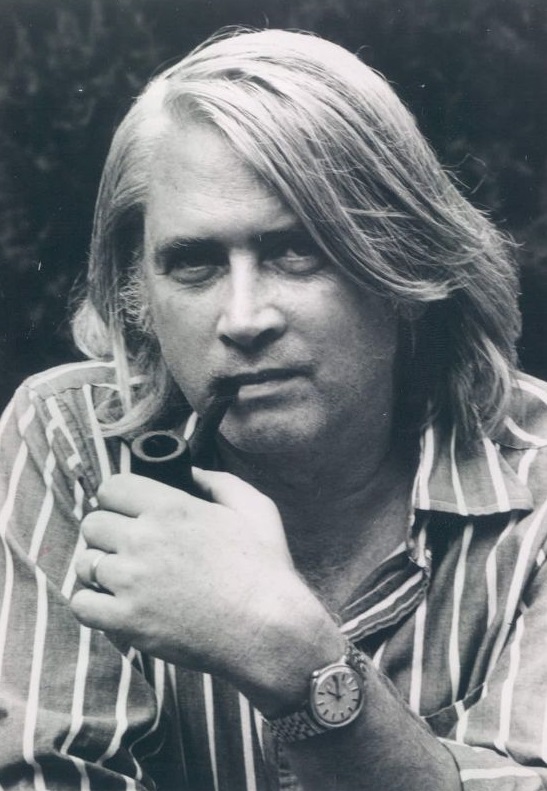
Early life and career
Gardner was born on July 21, 1933. After establishing himself as a writer, he combined publication with teaching: much of his career involved university-level instruction in creative writing, where he gained a reputation for energetic classroom practice and a rigorous focus on technique. He published steadily over the years and became a prominent public voice on questions of literary value.
Major works
His best-known fictional work, Grendel, recasts an epic subject through a reflective, ironical narrator and showcases Gardner's interest in myth, perspective and language. In nonfiction he set out many of his critical positions in books and essays that argued for literature's moral engagement; his arguments were summarized and debated widely by readers and reviewers. For introductory materials and bibliographic summaries see a biographical overview at biographical overview and treatments of epic retellings such as discussions of Beowulf and its retellings.
Themes, style and ideas
Gardner's work often blends mythic material with philosophical inquiry and dark humor. He emphasized narrative voice, clarity of craft and the bearing of ethical questions on artistic practice. His critical stance—sometimes called an argument for "moral fiction"—urged writers to consider moral consequences without reducing art to didacticism; this position provoked both support and criticism from contemporaries and later scholars.
Teaching and influence
As a teacher of creative writing, Gardner urged students to attend carefully to form and to the effects a story may have on readers. His practical advice about narrative technique, voice and revision left a mark on many students and colleagues; his essays and classroom methods helped shape conversations about how to teach and practice fiction in academic settings.
Critical reception and legacy
Critical responses to Gardner were mixed. Admirers praised his clarity, craft and moral seriousness; detractors faulted his prescriptive judgments about literature and contested his assessments of experimental and modernist work. Despite controversy, his novels—especially Grendel—and his essays continue to be taught and discussed, and his name remains associated with debates over the ethical aims of fiction.
Death
Gardner died in a motorcycle accident in Susquehanna County, Pennsylvania, on September 14, 1982, at the age of 49. Contemporary reports and reflections on his life and career are available in press accounts and retrospective pieces, some of which appear in archives and reference collections here.
Further reading and resources
- For an accessible biographical summary and list of works, consult the linked biographical overview.
- For context on the source material that inspired Grendel, see discussions of Beowulf and its retellings.
- For contemporary notices of his death and reflections on his legacy, see reports and remembrances collected here.
Gardner's career combined imaginative reworking of classical material with outspoken critical practice. Whether praised or challenged, his insistence that fiction attend to moral and aesthetic concerns remains a recurrent touchstone in literary discussion.
Related articles
Author
AlegsaOnline.com John Gardner (American novelist, critic, and teacher) Leandro Alegsa
URL: https://en.alegsaonline.com/art/50639