
Beowulf: Old English Epic, Manuscript, and Cultural Legacy
Beowulf is an Old English heroic epic poem about the hero Beowulf, his battles with Grendel, Grendel’s mother, and a dragon, preserved in a single manuscript dated c.1010 and central to medieval studies.
Beowulf is the most famous surviving epic in the Old English language. Composed in a Germanic heroic tradition, it recounts the deeds of a Geatish hero who comes to the aid of the Danish king Hrothgar and later rules his own people. Scholars treat it as a foundational text for the study of early medieval literature, language, and culture. For a general introduction to the form and status of this work see epic poem context and general entries on the poem itself at overview resources.
Image gallery
6 Images


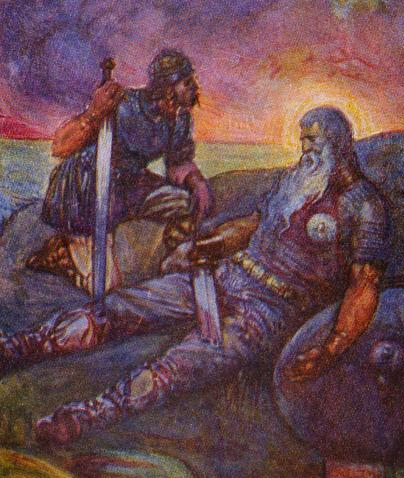
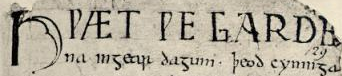

Text and manuscript
The poem survives in a single medieval codex written around the year 1010. That manuscript is the only direct witness to the text and is therefore central to all editions and translations; researchers refer to it when discussing transmission and textual variants (manuscript details). The poem consists of 3,182 lines in Old English and exhibits features typical of Anglo-Saxon verse, such as alliteration, formulaic phrases, and a strong oral-poetic rhythm.
Plot and principal figures
The narrative follows Beowulf, a heroic warrior whose reputation and fate shape the poem’s structure. In his younger years he battles the ogre Grendel and then Grendel’s mother; later, as a king, he faces a fire-breathing dragon. Key characters and antagonists are often discussed in summaries and critical studies: the protagonist, the poem’s namesake Beowulf, the monstrous Grendel, and the final adversary, the dragon.
Style, themes, and scholarship
The poem blends heroic action with reflections on fate, kingship, loyalty, and mortality. Its diction and structure reflect oral tradition, while later Christian elements appear alongside pagan heroic ideals. Academic debate has long focused on the poem’s date, provenance, and authorial intention; estimates for composition range widely and no consensus exists. J. R. R. Tolkien’s essay on translating the poem highlights many formal features of Old English verse and has influenced modern readings.
Reception and influence
Beowulf has inspired numerous translations, literary retellings, films, and scholarly works. It is studied in courses on medieval literature, comparative mythology, and linguistics. Editions and translations aim both to convey its narrative power and to make choices about how to represent its distinctive poetic techniques for modern audiences.
Further reading and resources
- Modern translations and critical editions (print and online) provide facing Old English texts and commentary.
- Literary analyses discuss its themes of heroism, community, and decline.
- Textual studies examine the unique manuscript and the challenges of editing and conserving the poem.
Questions and answers
Q: What is Beowulf?
A: Beowulf is an Old English heroic epic poem.
Q: Who is the author of Beowulf?
A: It is not known who wrote Beowulf.
Q: When was Beowulf written?
A: There is no agreement as to when Beowulf was written, estimates range from AD 608 to AD 1000.
Q: How long is Beowulf?
A: Beowulf is 3182 lines long.
Q: Who is the protagonist of Beowulf?
A: The protagonist of Beowulf is Beowulf.
Q: Who are the monsters that Beowulf fights in the poem?
A: Beowulf fights three monsters in the poem: Grendel, Grendel's mother, and later in his life an unnamed dragon.
Q: What did Tolkien do related to Beowulf?
A: Tolkien described and illustrated many of the features of Old English poetry in his 1940 essay On translating Beowulf.
Related articles
Author
AlegsaOnline.com Beowulf: Old English Epic, Manuscript, and Cultural Legacy Leandro Alegsa
URL: https://en.alegsaonline.com/art/10643