
Jimmie Lee Jackson
African American veteran and Baptist deacon whose 1965 shooting in Marion, Alabama galvanized voting-rights activists and helped spark the Selma marches and national attention to the Voting Rights Act.
Overview
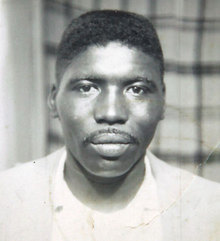
Jimmie Lee Jackson (December 16, 1938 – February 26, 1965) was an African American veteran, Baptist deacon and grassroots civil rights activist in Marion, Alabama. Active in local voter-registration drives and nonviolent protests, Jackson became a symbol of the risks faced by ordinary activists in the struggle for equal voting rights.
Image gallery
3 Images

Early life and service
Born in 1938, Jackson lived and worked in Perry County and took on leadership roles in his community through his church. He was a U.S. military veteran and served as a deacon in his Baptist congregation, where he combined religious duties with community organizing and efforts to increase political participation among Black residents.
Activism in Marion
Jackson worked with neighbors and civil-rights groups on voter registration, demonstrations and boycotts aimed at dismantling local barriers to political participation. He was known locally for bridging faith-based leadership and grassroots protest, helping to mobilize residents who had been discouraged or threatened when attempting to register and vote.
Shooting, medical aftermath and death
On February 18, 1965, during a confrontation between marchers and law enforcement in Marion, Jackson was shot. He died of his wounds on February 26. Contemporary reports and later accounts describe the incident as part of a broader pattern of violence and suppression directed at civil-rights demonstrators in the region.
Immediate impact and role in Selma campaign
Jackson's shooting provoked outrage among activists across Alabama and the nation. In the weeks that followed, organizers intensified voter-rights efforts in nearby Selma; the heightened demonstrations and the violent responses they attracted helped draw national media attention and political pressure that contributed to the passage of federal voting-rights legislation in 1965.
Legal scrutiny and remembrance
Decades after his death, Jackson's case received renewed scrutiny as investigators and historians examined cold cases from the civil-rights era. A former law-enforcement officer later acknowledged firing the shot, and the incident has been the subject of renewed calls for accountability and for historical recognition of those who suffered and died in pursuit of equal rights.
Legacy
Jackson is remembered in histories of the civil-rights movement as one of several victims whose deaths catalyzed wider campaigns for voting rights. His story is cited in educational accounts, local memorials and commemorations of the Selma campaign, and he remains a reference point in discussions about the costs of activism and the long struggle for electoral justice.
Notable facts
- Jackson combined religious leadership with grassroots civil-rights organizing at the local level.
- He was shot during a protest in Marion on February 18, 1965 and died on February 26 of his wounds.
- His death helped galvanize momentum for the Selma demonstrations and national attention to voting-rights issues in 1965.
- Decades later the shooting drew renewed investigation and public discussion about accountability for violence against protesters.
Related articles
Author
AlegsaOnline.com Jimmie Lee Jackson Leandro Alegsa
URL: https://en.alegsaonline.com/art/50259