
Jhansi — historic city and gateway to Bundelkhand
Jhansi is a historic city in Uttar Pradesh, India, known for its 17th-century fort, role in the 1857 uprising, and position as an administrative and transport hub near the Madhya Pradesh border.
Overview
Jhansi is a city in northern India that serves as the administrative centre of its district and division. It sits between the Pahunj and Betwa rivers and functions as a regional hub for commerce, administration and travel. The city is frequently described as the gateway to the Bundelkhand plateau and is noted for its historical buildings and museums. For basic orientation see city details.
Image gallery
10 Images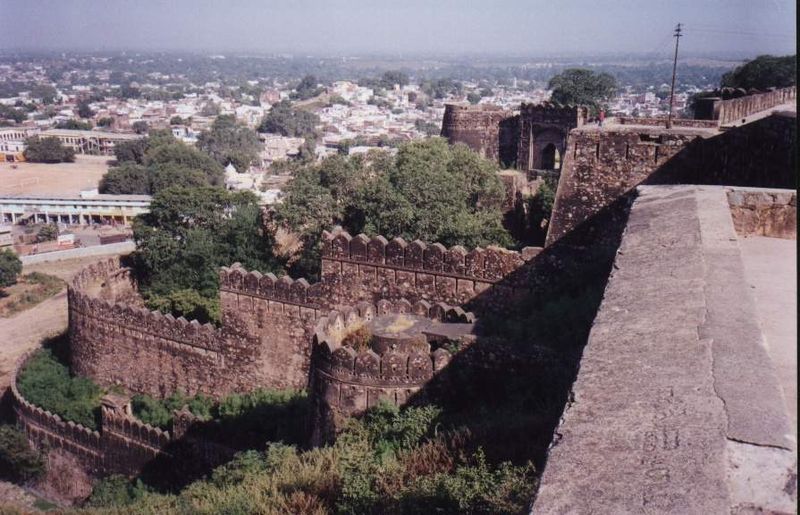




Location and landscape
Jhansi lies in the state of Uttar Pradesh and is close to the boundary with the neighbouring state of Madhya Pradesh. Its setting between two rivers shapes local agriculture and the urban layout, and its broader environment reflects the drier, undulating terrain of Bundelkhand. Administrative and geographic information can be found at official state pages like Uttar Pradesh resources and regional summaries such as Madhya Pradesh border notes.
History and significance
The original walled town developed around a stone fort constructed in the early 17th century, with much of the old urban core oriented to the fortification. Jhansi is widely known for its role during the large-scale disturbances in 1857; the city experienced a siege and changed hands during the conflict, events often associated with the figure of Rani Lakshmibai. For historical context and summaries consult historical accounts and regional histories. The city’s identity is tied to both its pre‑colonial governance and later colonial-era developments.
Landmarks and built heritage
Prominent sites include the old Jhansi Fort and several palaces and public buildings that have been repurposed as museums and civic institutions. Typical points of interest are:
- Jhansi Fort, the dominant stone fortress built in the 1600s;
- Palace buildings and memorials associated with local rulers and leaders;
- Museums and galleries preserving artefacts from the region’s past.
Visitors often consult regional guides and cultural listings such as those labelled Bundelkhand gateway when planning visits.
Economy, transport and culture
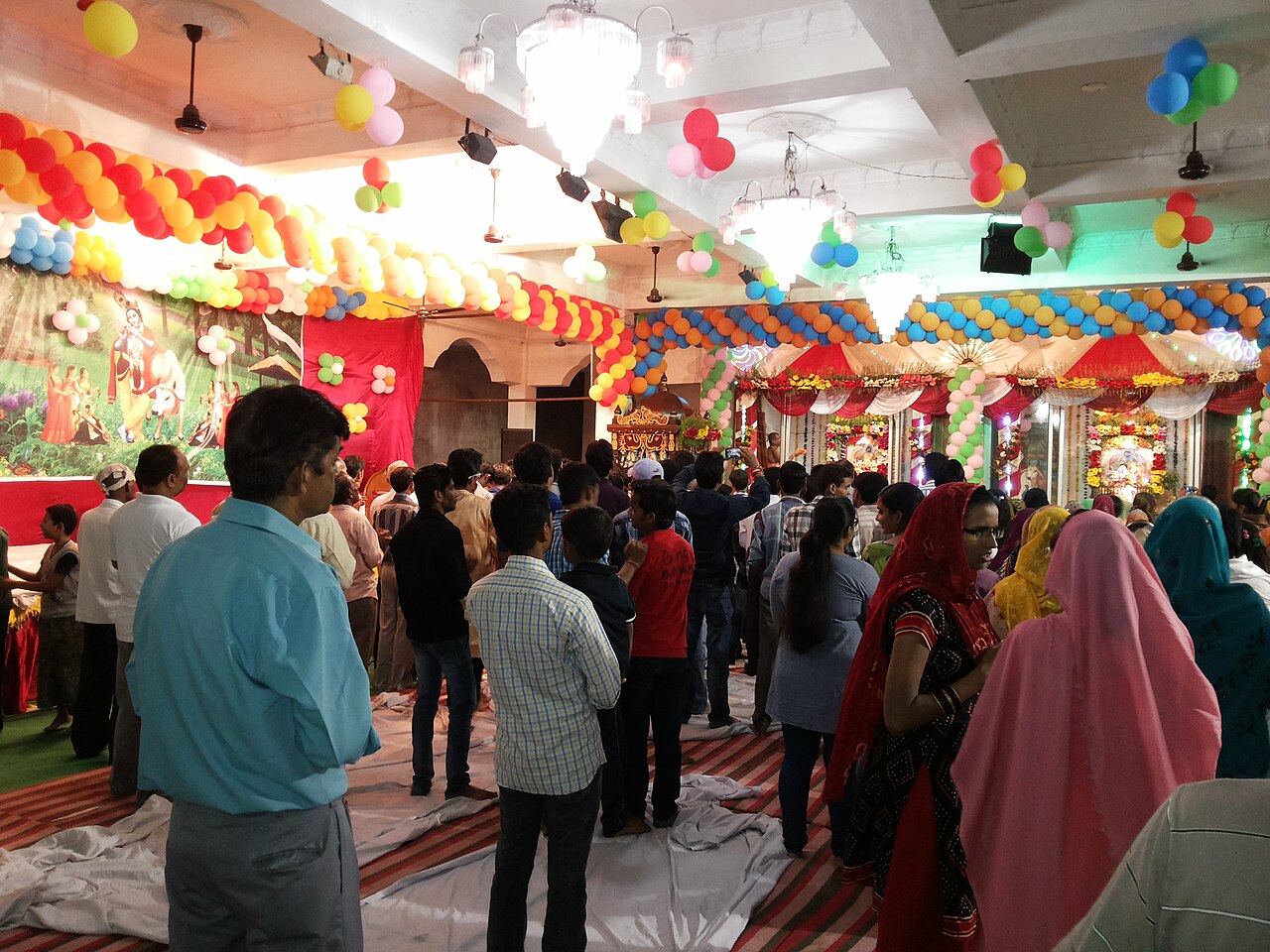
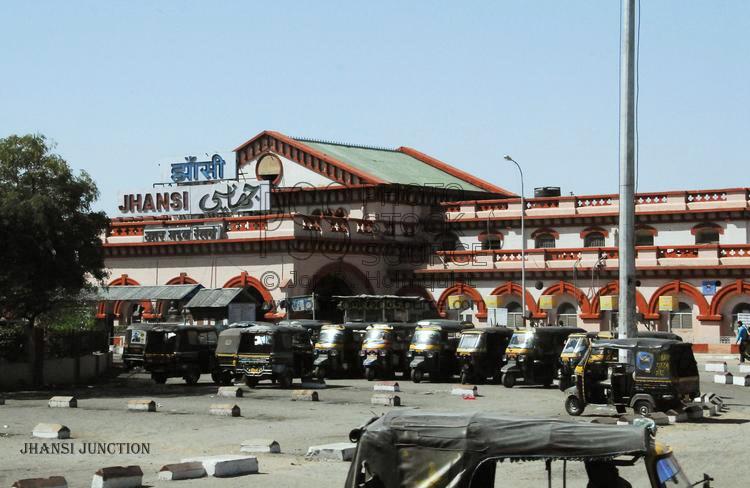
The city’s economy combines agriculture from surrounding districts with small-scale industry, trade and services. Jhansi is an important junction on road and rail networks that link Uttar Pradesh with central and western India, and it supports regional markets and travel. Transport options are summarised in practical guides and official timetables. Local cultural life mixes festivals, markets and commemorations that reflect the region’s history and social traditions.
Today Jhansi remains both a living urban centre and a place of memory: a modern administrative city built around a historically significant core that continues to attract visitors, scholars and residents interested in the history of Bundelkhand and the 19th-century challenges that shaped modern South Asia.
Related articles
Author
AlegsaOnline.com Jhansi — historic city and gateway to Bundelkhand Leandro Alegsa
URL: https://en.alegsaonline.com/art/50150