
Jesse Owens
James Cleveland "Jesse" Owens was an American track and field athlete who won four gold medals at the 1936 Berlin Olympics and became a lasting symbol of athletic excellence and social significance.
Overview
James Cleveland "Jesse" Owens (September 12, 1913 – March 31, 1980) was an American athlete and one of the most celebrated track-and-field competitors of the 20th century. Born in rural Alabama and raised largely in Ohio, he gained international fame for his sprinting and jumping ability. His career combined sporting achievement with broader cultural impact.
Image gallery
9 Images



Early life and development
Owens was born in Oakville, Alabama, and later moved with his family to the industrial city of Cleveland, where he developed his athletic talent in high school and club competition. He attended Ohio State University, where he trained under coach Larry Snyder and won multiple collegiate titles. In national meets in 1935 and 1936 he established himself as a dominant sprinter and long jumper, taking several NCAA championships and equalling or setting top marks of the era.
Career and achievements
Owens competed in sprint events and the long jump, combining explosive speed with technical skill. His best-known competitive program included the 100 meters, the 200 meters, the long jump and relay events. Major accomplishments include collegiate championships, national titles and world-class performances at international competition. Highlights of his medals and results include:
- Individual golds in sprint and long jump events at pinnacle competitions.
- Part of winning relay teams at major international meets.
- Recognition for world-leading marks and race wins in the mid-1930s.
The 1936 Berlin Olympics
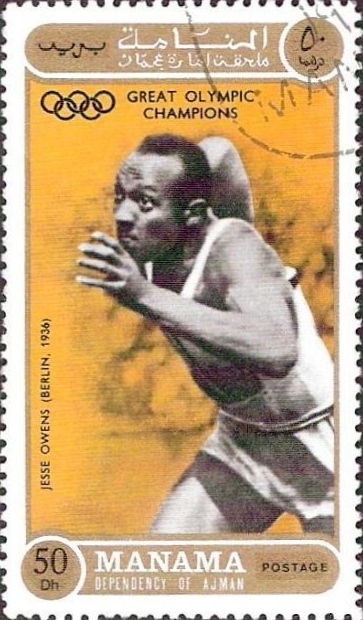
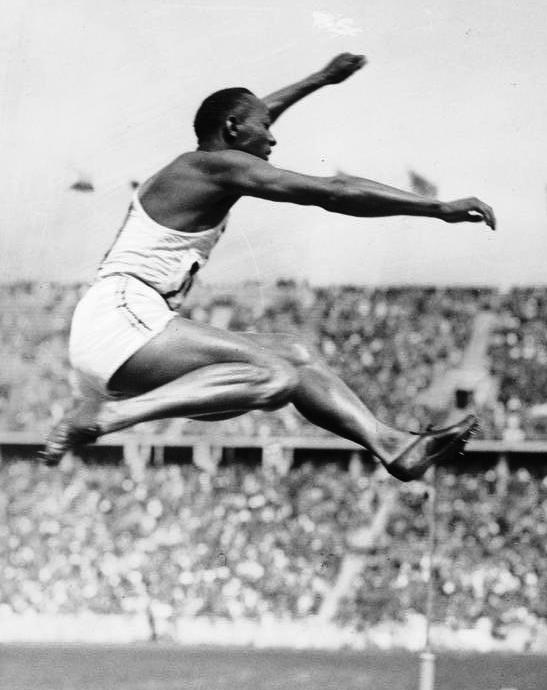
At the 1936 Summer Olympics in Berlin, Owens won four gold medals in the 100 m, 200 m, long jump and the 4×100 m relay, performances that made him the most successful athlete at those Games. His victories occurred against the charged political backdrop of Nazi Germany and were widely seen as a repudiation of contemporary claims about racial superiority. The Berlin results remain the defining episode of his public legacy and are widely cited in accounts of sport intersecting with politics.
Later life and legacy
After his competitive peak, Owens toured in exhibitions, worked in various public roles, and spoke about sport and opportunity. Despite his fame, he experienced many of the racial and economic difficulties common to Black Americans of his era. In later decades he received major honors recognizing both his athletic achievements and his symbolic importance, including national awards and posthumous recognitions. Owens died of lung cancer in Tucson, Arizona on March 31, 1980.
Distinction and significance
Owens is remembered for his athletic records, his Olympic triumphs, and the cultural resonance of his victories. He remains a frequent subject in histories of sport, civil rights, and 20th-century popular culture. For those seeking basic biographical details and summaries of his competitive results, see brief references to his birthplace Oakville and major competitions such as the 1936 Summer Olympics.
His life is often presented as an example of individual excellence that intersected with wider social issues, and his story continues to be cited in discussions of sport as a platform for social change.
Related articles
Author
AlegsaOnline.com Jesse Owens Leandro Alegsa
URL: https://en.alegsaonline.com/art/50054