
Jericho: an ancient city in the Jordan Valley
Jericho is a historically significant city in the Jordan Valley of the West Bank, known for its long archaeological record, biblical references, and modern role as a Palestinian town and tourism center.
Overview
Jericho is a city in the Jordan Valley located in the West Bank. It sits near the Jordan River and an oasis that has supported human settlement for millennia. The city blends archaeological ruins, religious traditions and contemporary Palestinian life.
Image gallery
10 Images




History and tradition
Jericho is one of the best-known ancient towns in the Near East and appears in several religious texts, notably the Book of Joshua. Its long sequence of occupation and repeated rebuilding have made it central to studies of early urban life and Bronze Age history in the region.
Archaeology and characteristics
Excavations at the mound often called Tell es-Sultan have revealed layers from prehistoric hunter-gatherer camps to settled farming communities and later fortified towns. These remains include early domestic architecture, defensive works and artifacts that document changing lifeways across millennia.
Notable sites
- Tell es-Sultan (archaeological tell with ancient city strata)
- Ruins of medieval and early Islamic buildings, including Umayyad-period remains
- The Mount of Temptation area, a place of Christian pilgrimage
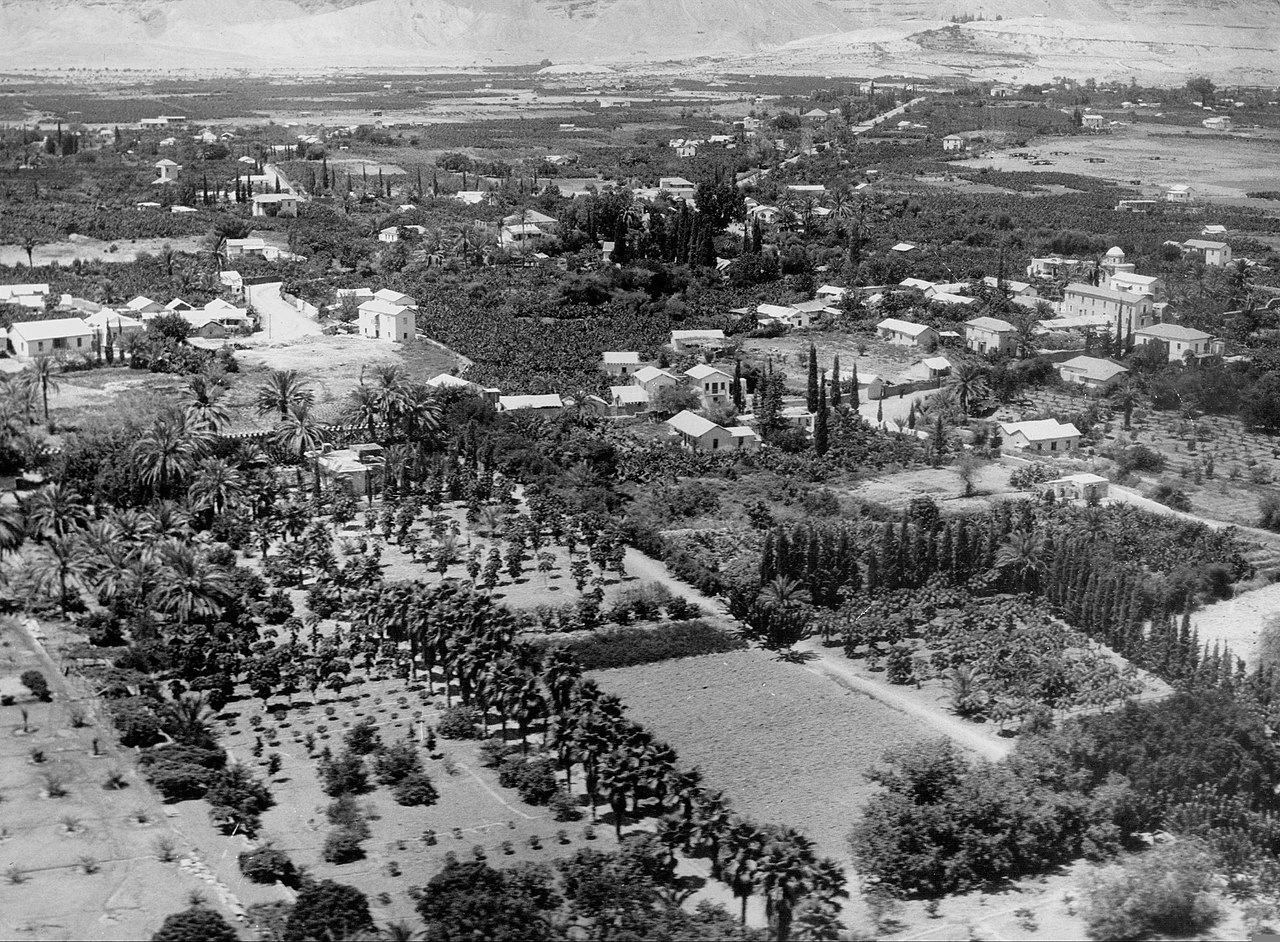
- Historic terraces and irrigated groves in the nearby oasis
Modern Jericho
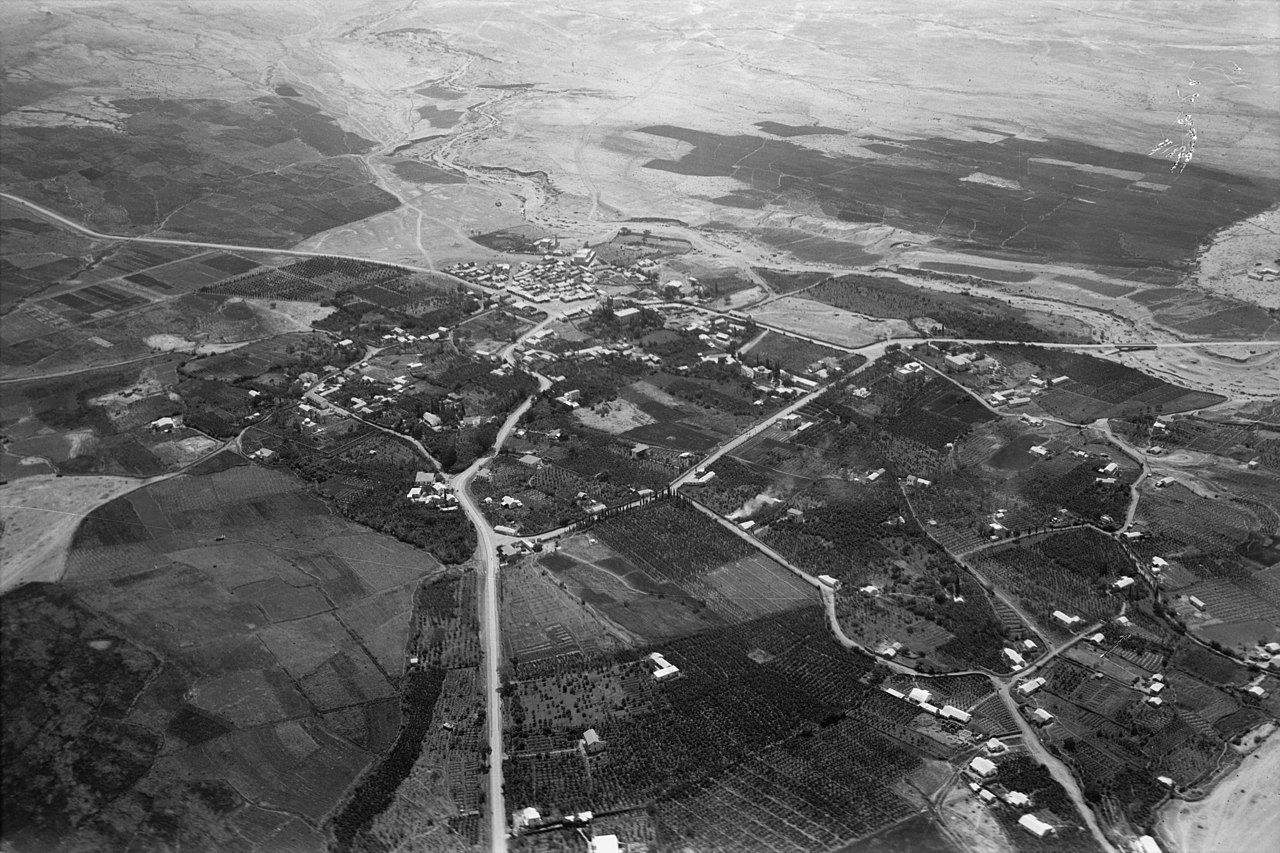
Today Jericho functions as a small urban and agricultural center under Palestinian administration. In 2007 its population was recorded as 18,346. The local economy combines tourism, historical sites, and agriculture supported by irrigation in the valley.
Significance and distinctions
Scholars and popular accounts often describe Jericho among the world’s oldest continuously inhabited settlements, though precise claims vary with new discoveries and interpretations. Its archaeological record, religious associations and strategic oasis location make it an important place for historians, archaeologists and visitors.
Related articles
Author
AlegsaOnline.com Jericho: an ancient city in the Jordan Valley Leandro Alegsa
URL: https://en.alegsaonline.com/art/49963
Sources
- pcbs.gov.ps : pcbs.gov.ps/Portals/_PCBS/Downloads/book1487.pdf