
Arrhythmia (Irregular Heartbeat): Types, Causes, Diagnosis, and Treatment
Arrhythmia is a disorder of the heart's electrical rhythm—too fast, too slow, or irregular. This article explains main types, causes, symptoms, diagnostic tests and typical treatments.
Overview
Arrhythmia, often called an irregular heartbeat, refers to a group of conditions in which the heart's electrical impulses do not produce a normal rhythm. The disturbance can be brief and harmless or sustained and potentially life‑threatening depending on its origin and the presence of underlying heart disease. Recognition, evaluation and management are guided by symptoms, the type of arrhythmia and the patient’s overall risk.
Image gallery
4 Images


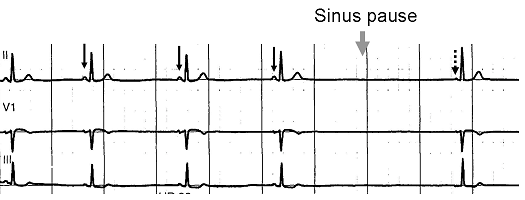
Types and characteristics
Arrhythmias may make the heart beat too quickly, too slowly, or in an irregular pattern. Fast rhythms are commonly termed tachycardia and slow rhythms are called bradycardia. Other frequently encountered patterns include atrial fibrillation, atrial flutter, premature atrial or ventricular contractions, and ventricular tachycardia or fibrillation.
- Atrial fibrillation: an irregular and often rapid atrial rhythm associated with an increased risk of stroke.
- Ventricular fibrillation: chaotic ventricular activity that can produce sudden loss of circulation and requires immediate emergency treatment.
- Premature beats: extra early contractions that may be felt as skipped or extra beats and are often benign.
Causes and risk factors
Causes include structural heart disease, coronary artery disease, high blood pressure, thyroid disorders, electrolyte imbalances, certain medications and stimulant use. Genetic conditions and scarring from prior heart attacks or surgery also predispose to arrhythmia. Age and lifestyle factors such as alcohol or caffeine intake can influence likelihood and severity.
Symptoms and diagnosis
Symptoms range from palpitations, lightheadedness and shortness of breath to fainting or chest discomfort; some people have no symptoms. Diagnosis usually begins with an electrocardiogram (ECG). When brief or intermittent, monitoring with a Holter monitor, event recorder or implantable loop recorder may be used. In select cases, an invasive electrophysiology study helps locate the abnormal electrical pathway.
Treatment and prevention
- Address reversible causes and adopt lifestyle measures (manage alcohol, stimulants, treat underlying conditions).
- Medications such as rate‑control agents or antiarrhythmics to control rhythm or symptoms.
- Procedural options: electrical cardioversion, catheter ablation to eliminate problematic tissue, pacemaker implantation for significant bradycardia, or an implantable cardioverter‑defibrillator (ICD) for life‑threatening ventricular arrhythmias.
Prognosis varies: many arrhythmias are manageable with monitoring and treatment, while others require urgent intervention. Because some forms increase the risk of complications such as stroke, evaluation by a clinician is important to determine appropriate therapy and follow-up.
Tags
Related articles
Author
AlegsaOnline.com Arrhythmia (Irregular Heartbeat): Types, Causes, Diagnosis, and Treatment Leandro Alegsa
URL: https://en.alegsaonline.com/art/5853