
Jalhay: municipality in the province of Liège, Belgium
Jalhay is a French-speaking municipality in Liège, Wallonia, located at the edge of the High Fens. It is a rural community known for upland moors, outdoor recreation and small-scale local economy.
Overview
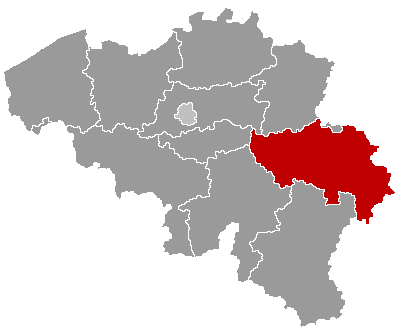
Jalhay is a municipality in the Walloon region of Belgium, situated in the province of Liège. It lies in the eastern uplands of the country at approximately 50°33′N, 5°57′E and had about 8,004 inhabitants in 2007. French is the predominant language and the municipality forms part of the administrative area commonly associated with the Ardennes and the High Fens.
Image gallery
3 Images

Geography and climate
Jalhay occupies upland terrain on the western edge of the High Fens (Hautes Fagnes), a raised moorland that is one of Belgium's most distinctive natural regions. The elevation produces a cooler, wetter climate than the lowlands, with frequent fog, rain and in winter some snowfall. The landscape includes heath, peat bogs, forested slopes and scattered agricultural land.
History and administration
The area has a long rural history typical of the region, with agriculture, forestry and local crafts shaping settlements. Today Jalhay is governed by a municipal council and mayor under the Belgian local government system. Its municipal identity reflects both traditional village life and stewardship of nearby protected landscapes.
Economy, recreation and conservation
The local economy is largely small-scale and rural: farming, local services and businesses catering to visitors. Jalhay's proximity to the High Fens makes it a gateway for nature tourism. Outdoor activities include hiking, birdwatching, cycling and in suitable winters cross-country skiing. Conservation of peatlands and upland habitats is an important local concern.
Notable features and practical information
- Close to the High Fens, a major protected area and scenic upland moor.
- Typical regional architecture: stone and slate houses reflecting local building traditions.
- Access to nearby towns and spa resorts provides services and transport links for residents and visitors.
For official information and municipal services consult the local administration pages or regional guides. General provincial context is available through resources about the Belgian provinces and more specific municipal details through provincial portals and local tourism offices here.
Related articles
Author
AlegsaOnline.com Jalhay: municipality in the province of Liège, Belgium Leandro Alegsa
URL: https://en.alegsaonline.com/art/49141
Sources
- statbel.fgov.be : Werkelijke bevolking per gemeente op 1 januari 2007 / Population de droit par commune au 1 janvier 2007 (.xls)
- statbel.fgov.be : Geografische coördinaten van de gemeenten (.xls)