
Jagadguru Rambhadracharya (Swami Rambhadracharya)
Indian Hindu religious leader, scholar, poet and founder of Tulsi Peeth and a university for disabled students; noted commentator, katha performer and social educator.
Overview
Jagadguru Ramanandacharya Swami Rambhadracharya (born Giridhar Mishra, 14 January 1950) is an Indian Hindu religious leader, teacher and prolific writer. Known commonly as Rambhadracharya, he serves as one of the four Jagadguru Ramanandacharyas of the Ramananda tradition since 1988 and is active in religious teaching, scriptural commentary and social service. He resides in Chitrakuta, Uttar Pradesh, where he leads institutional and public initiatives for learning and outreach. Chitrakuta and India are central to his life and work.
Image gallery
10 Images
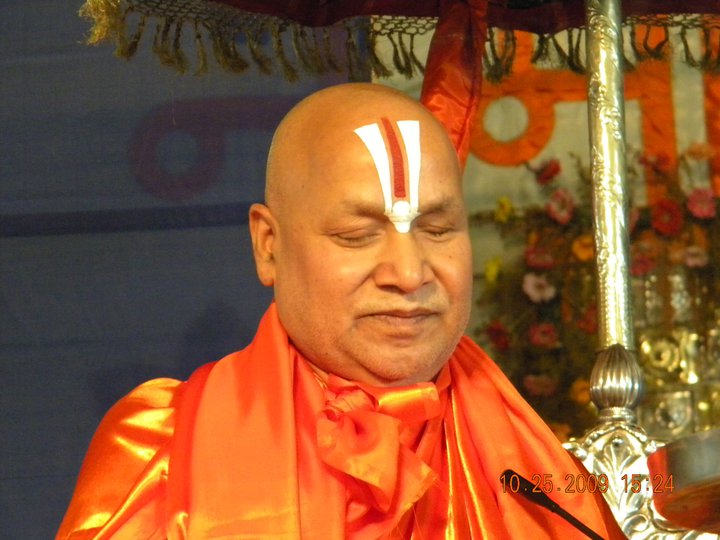


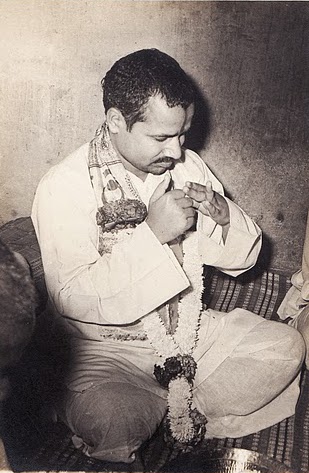


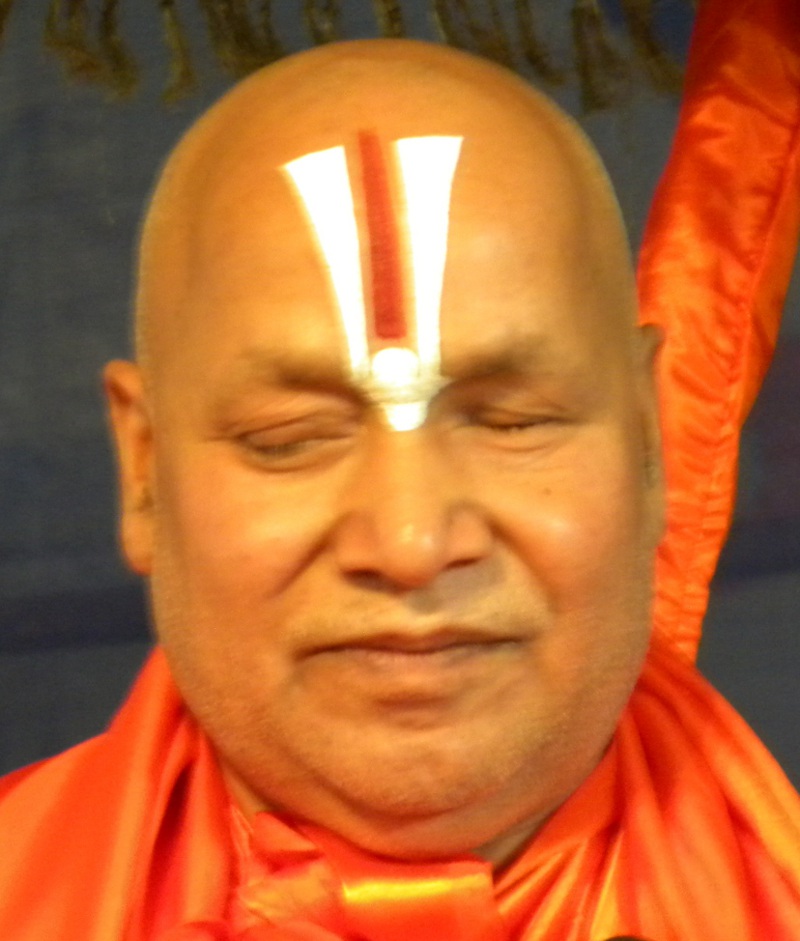
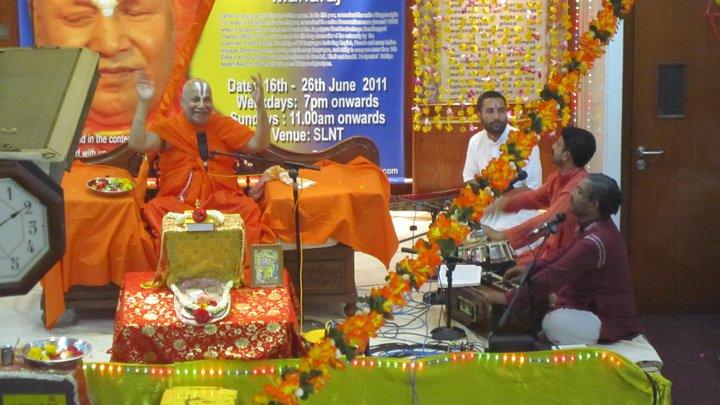
Background and early life
Born Giridhar Mishra, Rambhadracharya lost his sight in infancy. Despite this disability, he developed an extensive memory and a reputation as an oral scholar. He is widely reported to have learned and composed without relying on Braille or similar tactile systems; some accounts emphasize that he has never used Braille. He is multilingual and, according to biographical sources, speaks and composes in more than twenty languages. His public teaching and recitals combine scriptural exposition, devotional poetry and narrative performance.
Roles, institutions and social work
Rambhadracharya founded Tulsi Peeth, an organization named for the medieval poet-saint Tulsidas, to promote religious study, pilgrimage services and social relief. The institution provides religious education, runs charitable programs and fosters cultural activities related to Ramayana devotion; it is often described in relation to the lineage of Tulsidas. He also established the Jagadguru Rambhadracharya Handicapped University in Chitrakuta, which offers undergraduate and postgraduate programs designed specifically for students with various forms of disability and aims to expand higher-education access. The university is commonly cited as a unique initiative in Indian higher education; see the institution page for details. Jagadguru Rambhadracharya Handicapped University is linked with his broader social mission.
Scholarly work, poetry and commentaries
Rambhadracharya is a composer and poet in classical and vernacular languages. He has written extensively in Sanskrit, Hindi, Awadhi and Maithili, among other tongues. His published corpus runs to dozens of works and includes narrative poems (kavya), devotional compositions and philological commentaries. Notable scholarly projects attributed to him include commentaries on traditional grammatical texts such as Pāṇini's Ashtadhyayi, and on the canonical Prasthanatrayi — the Bhagavad Gita, the Brahma Sutras and the principal Upanishads — reflecting traditional Vedantic engagement. Many of these writings have been presented as part of his efforts to make complex Sanskrit and theological material accessible to contemporary readers. The languages he composes in include Sanskrit and Hindi.
Edition work and public performance
Rambhadracharya is recognized for editorial work on the Ramcharitmanas and related texts. He edited a critical edition of the Ramcharitmanas that has been cited in discussions of textual history and modern scholarship. He is also a well-known katha (scriptural storytelling) artist, delivering extended recitals on the Ramayana and the Bhagavata. These katha programs draw large audiences in India and abroad and are broadcast on religious television channels and public venues. His association with commentary on the Bhagavad Gita and major Upanishads forms part of his public reputation. He is sometimes described as a leading contemporary voice on Tulsidas and the Ramayana tradition and has been involved in teaching, lectures and mass recitals.
Selected themes and distinctions
- Religious office: Appointed one of the four Jagadguru Ramanandacharyas in 1988, a senior title within the Ramananda order.
- Education and access: Founder and lifelong chancellor of a university dedicated to students with disabilities, highlighting his commitment to inclusive education. University
- Literary output: Author of more than eighty works, including narrative poems in Sanskrit and Hindi and scholarly commentaries on grammar and Vedanta.
- Performance tradition: Renowned as a katha artist for the Ramayana and the Bhagavata; performances are circulated through public events and television.
- Editorial projects: Editor of a critical edition of the Ramcharitmanas, contributing to textual study of a major Hindi epic.
Works and further reading
Among his writings and activities are narrative poems, commentaries on classical Sanskrit grammar and Vedanta, devotional collections and public discourses. He continues to lecture, publish and guide institutional work at Tulsi Peeth and the university. For primary materials, recordings and institutional descriptions, consult the relevant organizational pages and published collections. Representative resources include biographical summaries, collected commentaries and recordings of his kathas. A selection of his public roles and topics may be explored through institutional links and archives. Composer and speaker profiles and accessibility initiatives are also documented in several public accounts.
For readers interested in his commentary on classical texts, connections to the Ramananda tradition and contemporary devotional practice, the works cited above and institutional pages provide entry points to study his life and influence. Additional audio-visual material of his recitals is commonly distributed and can be found through media platforms describing his katha performances and lectures. India-focused resources and pilgrimage guides often reference his role in Chitrakuta and associated festivals. Tulsidas studies and Ramayana scholarship sometimes cite his editorial and interpretive contributions.
Questions and answers
Q: Who is Jagadguru Ramanandacharya Swami Rambhadracharya?
A: Jagadguru Ramanandacharya Swami Rambhadracharya is a Hindu religious leader, educator, composer, skilled public speaker and philosopher.
Q: When was he born?
A: He was born on 14 January 1950.
Q: What is his birth name?
A: His birth name was Giridhar Mishra (IAST: Giridhara Miśra).
Q: How many languages can he speak?
A: He can speak 22 languages.
Q: Where does he live?
A: He lives in Chitrakuta, Uttar Pradesh, India.
Q: What organization did he found in Chitrakuta?
A: He founded Tulsi Peeth which is a religious and social service organization named after the saint Tulsidas.
Q: What university did he found and serve as chancellor of for life?
A:He founded and serves as lifelong chancellor of the Jagadguru Rambhadracharya Handicapped University which gives graduate and postgraduate courses entirely to the four types of disabled students with poor physical or mental ability.
Related articles
Author
AlegsaOnline.com Jagadguru Rambhadracharya (Swami Rambhadracharya) Leandro Alegsa
URL: https://en.alegsaonline.com/art/49083
Sources
- jagadgururambhadracharya.org : जगद्गुरु रामभद्राचार्य विकलांग विश्वविद्यालय
- speakerloksabha.nic.in : "Speeches"
- jrhu.com : "The Chancellor"
- kkbirlafoundation.com : "वाचस्पति पुरस्कार २००७"
- outlookindia.com : "A Blind Sage's Vision: A Varsity For The Disabled At Chitrakoot"
- jagadgururambhadracharya.org : "Shree Jagadguru Rambhadracharya"
- navbharattimes.indiatimes.com : "मन से भक्ति करो मिलेंगे राम : रामभद्राचार्य"
- dainiktribuneonline.com : "केवल गुरु भवसागर के पार पहुंचा सकता है : बाबा बाल जी महाराज"
- in.jagran.yahoo.com : "ज्ञान चक्षु से रामकथा का बखान करने पहुंचे रामभद्राचार्य"
- in.jagran.yahoo.com : "दु:ख और विपत्ति में धैर्य न खोएं"
- anjoria.com : "सिंगापुर में भोजपुरी के अलख जगावत कार्यक्रम"
- sanatantv.com : "Rambhadracharya Ji"
- aicb.in : Abilities Redefined - Forty Life Stories of Courage And Accomplishment
- astrojyoti.info : "Vedic scriptures and stotras for the Blind people in Braille"
- astrojyoti.info : "Braille Bhagavad Gita inauguration"