
Jackson County, Ohio — overview, geography, history, and communities
Jackson County is a rural county in southern Ohio. Established in the early 19th century, its county seat is Jackson. The area has a history of small industry, farming and Appalachian culture.
Jackson County is a county in the southern part of the state of Ohio. It is a predominantly rural area of rolling hills and small towns whose county seat is Jackson. According to the 2010 U.S. census the county had a population of 33,225, and it remains characterized by low population density compared with Ohio’s metropolitan areas. Ohio counties follow a common system of local government and Jackson County is no exception, with elected officials managing local services and infrastructure.

Image gallery
4 Images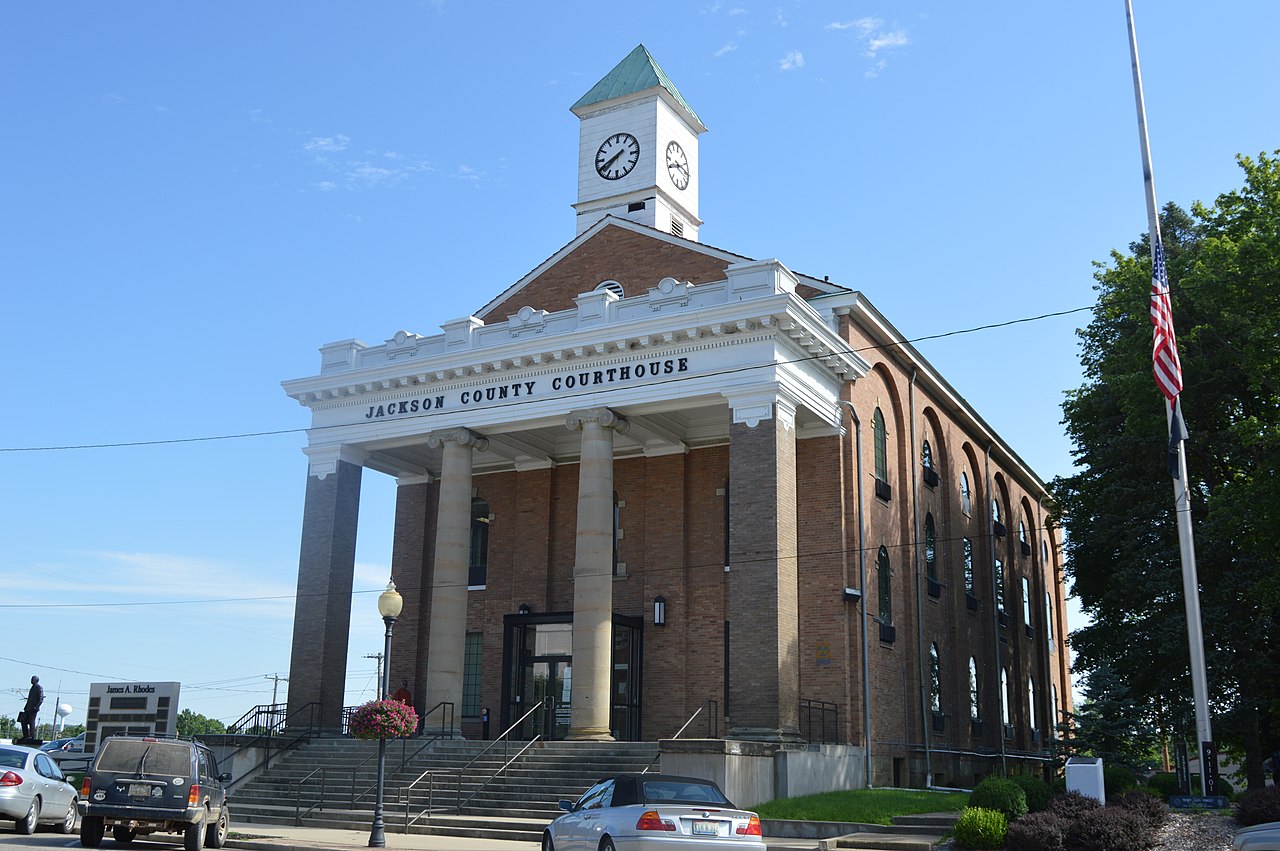


Geography and landscape
Jackson County lies within the greater Appalachian foothills of southern Ohio. The landscape consists of modest ridges, forested tracts and agricultural valleys drained by small streams. Soils and topography have supported mixed farming and timber, while hillsides historically contained mineral deposits that influenced local industry. Natural areas and rural roads define much of the county’s visual character.
History and development
Formed in the early 19th century, the county was named for Andrew Jackson, a national military figure who later became U.S. president. The arrival of settlers, small-scale industry and transportation improvements in the 19th and early 20th centuries shaped the pattern of towns and villages. Like many counties in this part of the state, Jackson County experienced periods of growth tied to resource extraction and local manufacturing, followed by economic shifts toward services and agriculture.
Economy, government and communities
The county economy is a mix of agriculture, local retail, light manufacturing and public-sector employment. The county seat, county seat of government functions, provides courts, administrative offices and regional services. Beyond Jackson, the county contains several villages and numerous townships that focus on community institutions such as schools, churches and volunteer organizations. Local officials are elected to positions such as county commissioners, auditor and sheriff, reflecting typical Ohio county governance.
Notable facts and identity
- Rural character: lower population density, close-knit communities and countryside landscapes.
- Historic roots: early settlement in the 1800s and development around natural resources and small industry.
- Community services: a county government centered in the city of Jackson and supported by township structures.
Visitors and residents often describe Jackson County as representative of southern Ohio’s mix of Appalachian influence and Midwestern rural life. For concise facts and local resources, official county websites and local historical societies provide up-to-date information on services, events and preservation efforts.
Related articles
Author
AlegsaOnline.com Jackson County, Ohio — overview, geography, history, and communities Leandro Alegsa
URL: https://en.alegsaonline.com/art/48965