
Jack Williams (1924–1945) — U.S. Navy sailor and Medal of Honor recipient
Jack Williams (Oct 18, 1924–Mar 3, 1945) was a United States Navy sailor who received the Medal of Honor for extraordinary bravery during World War II.
Jack Williams (October 18, 1924 – March 3, 1945) was a United States naval serviceman remembered for his courage in the Second World War. A native of the United States, he served as a sailor in the United States Navy and was awarded the Medal of Honor, the nation’s highest military decoration, for actions carried out during World War II.
Image gallery
1 Image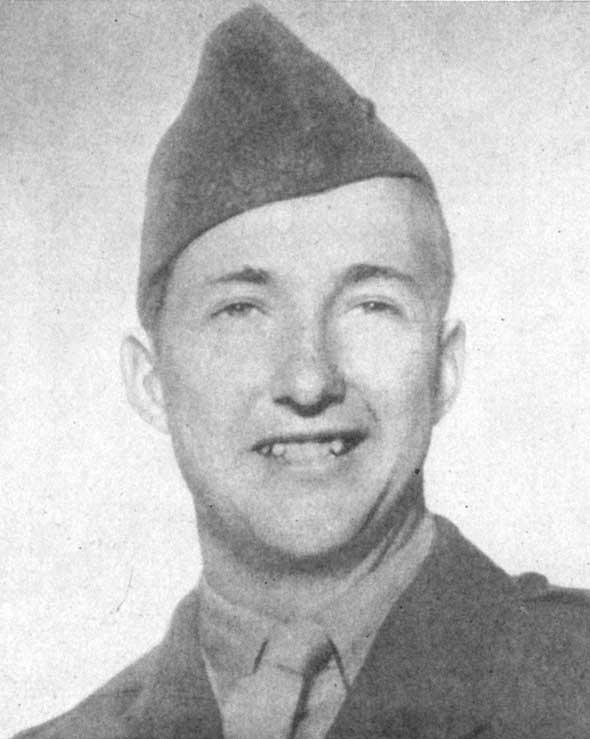
Overview of service
Williams enlisted as a young man and served in the naval forces during a period of intense global conflict. His record is principally noted for the conduct that led to recognition with the Medal of Honor. Official accounts describe recipients of that decoration as having demonstrated "conspicuous gallantry and intrepidity at the risk of life above and beyond the call of duty."
Medal of Honor and significance
The Medal of Honor is awarded very sparingly and is reserved for acts of exceptional heroism. When a sailor such as Williams receives this honor, it signifies that contemporaries and later reviewers judged his actions to have been extraordinarily brave and consequential during combat operations in World War II.
Legacy and remembrance
Those honored with the Medal of Honor are commonly commemorated by published citations, recorded histories, and inclusion in national memorials. Williams’s name appears in lists of World War II honorees and in retrospective accounts that highlight individual sacrifice amid larger naval campaigns.
Context and broader importance
The story of Jack Williams illustrates several broader themes of naval service in the 1940s: the youth of many combatants, the intensity of shipboard and amphibious operations, and the degree to which single acts of courage could affect comrades and missions. For readers seeking documentary material, primary citations and service records provide the most reliable detail.
- See official Navy records for service details: United States Navy records.
- Consult the Medal of Honor citation for the formal account: Medal of Honor citation.
- For historical context about the campaign in which he served, consult general histories of World War II.
Related articles
Author
AlegsaOnline.com Jack Williams (1924–1945) — U.S. Navy sailor and Medal of Honor recipient Leandro Alegsa
URL: https://en.alegsaonline.com/art/48929
Sources
- history.army.mil : "Medal of Honor Recipients, World War II (T-Z)"
- history.navy.mil : "Pharmacist's Mate Third Class Jack Williams, USNR, (1924-1945)"